Bharatiya Samskriti Darshana-26
“An instrument is not merely played—it is lived.” — Mysore T. Chowdiah
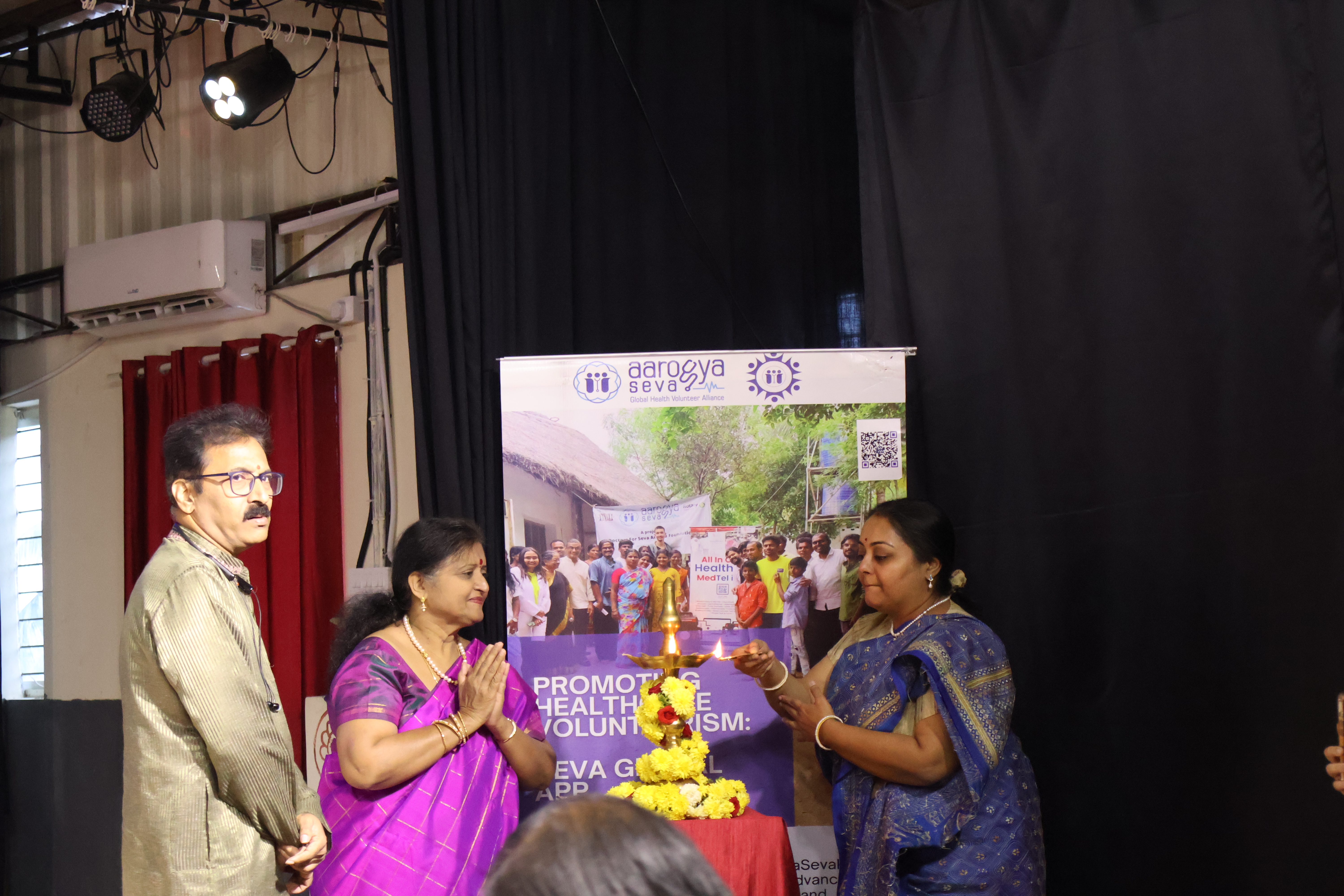
Vanamala Centre for Art and Culture concluded the four-week Chinnari Sangeeta–3: Explore Indian Instruments workshop with a vibrant valedictory event at Kalakompound on November 28th, 2025. The evening witnessed a warm gathering of enthusiastic audiences, parents of the young participants, guest artistes who performed for the concerts, and special guests for the evening—Dr. Vid. Sowmya Sanak and Vid. Ganakalashree A.S.N. Swamy.
Throughout the month of November, the centre celebrated sound, creativity, and the living tradition of Indian musical instruments. The sessions were immersive and joyful, deepening the children’s engagement with music and inspiring them with fresh curiosity and confidence.
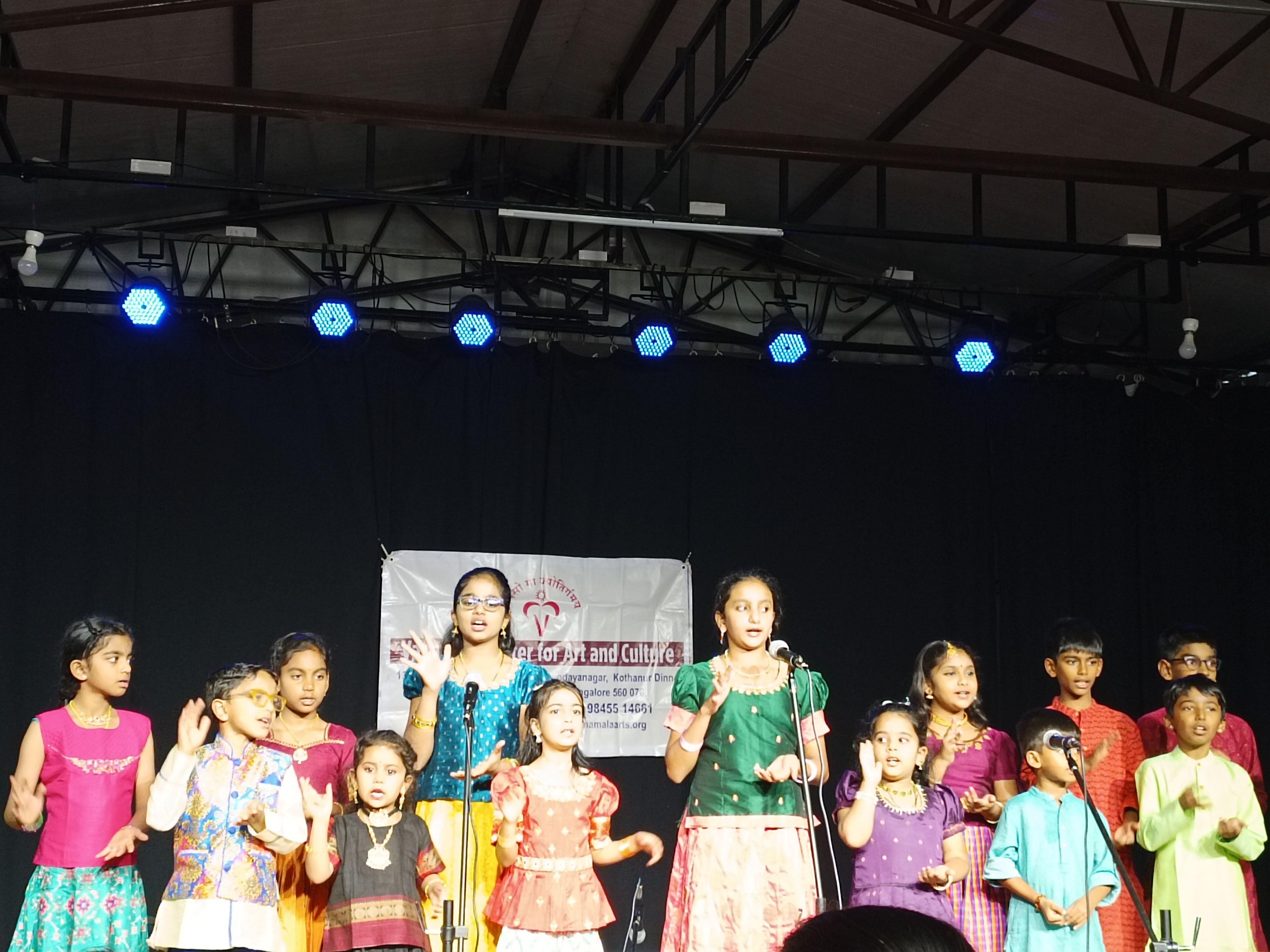
The evening opened with emcee Vid. Nagashree Narayan, who set a lively tone for the programme. The children rendered the Mysuru State Anthem Kayo Sri Gowri, learnt during their earlier Chinnari Sangeeta sessions, followed by a brief Konakkol recitation taught by Kum. Gowri Sanath as part of the workshop.
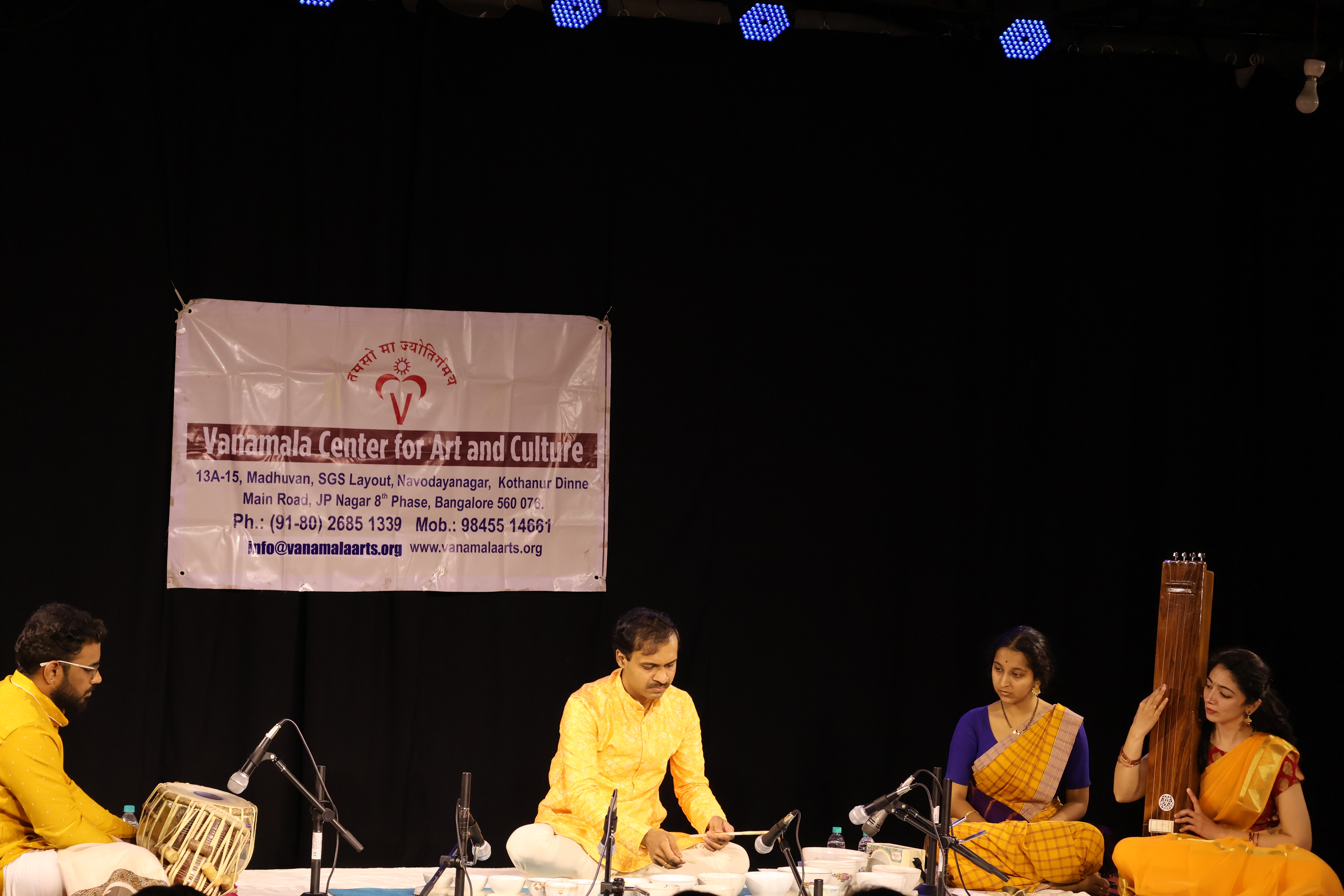
The first concert of the evening featured a captivating Jaltarang recital by
- Vid. Sugnan Dani – Jaltarang,
- Vid. Shashank Rangaraju – Tabla,
ably supported on Manjari by Vid. Vandana and on Tanpura by Vid. Shwetha.For many in the audience, this was their first experience of a live Jaltarang performance. The artistes enthralled listeners with traditional Hindustani compositions and familiar bhajans, highlighting the melodic delicacy and rhythmic charm of the instrument.
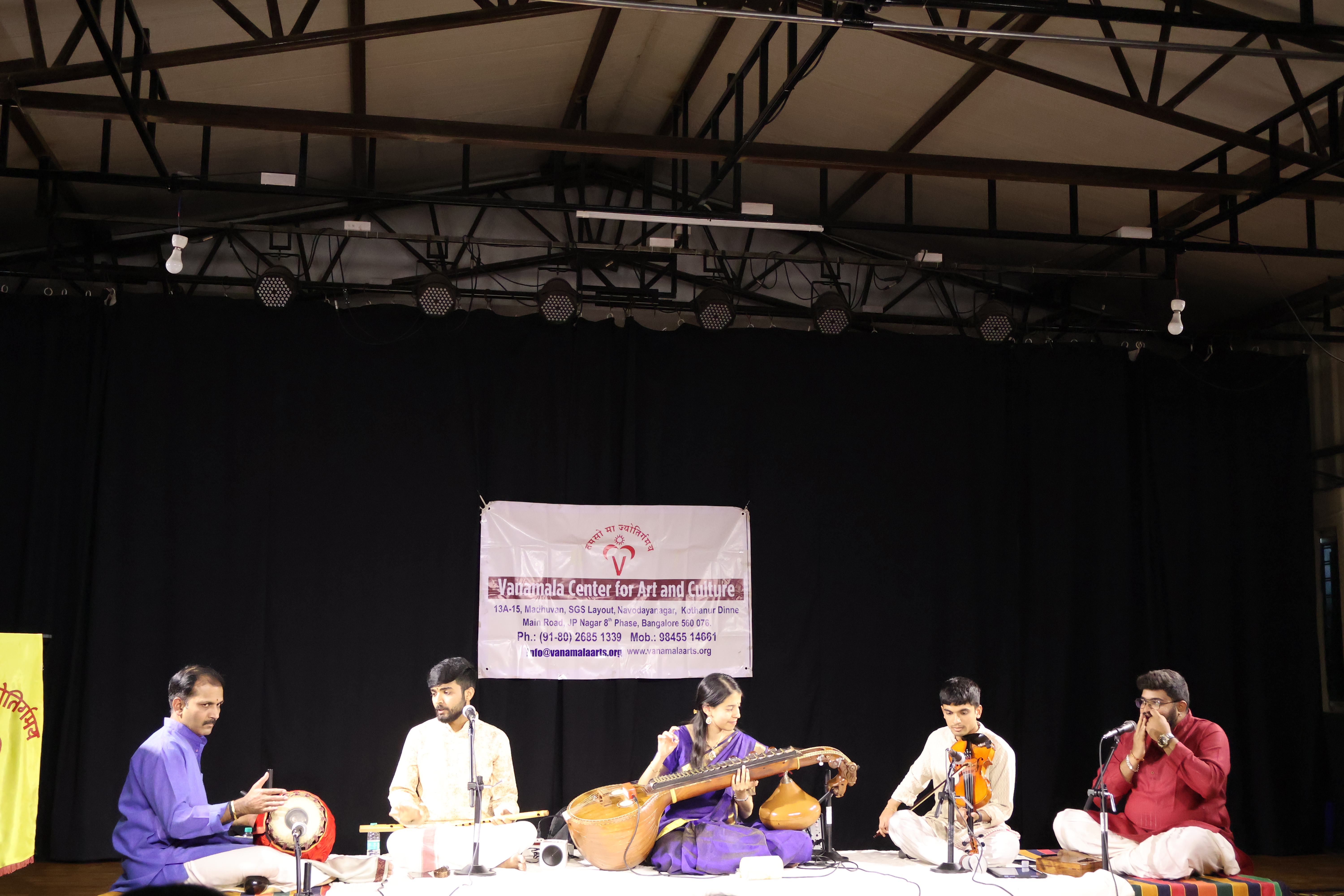
The second concert showcased Karnatak music by a dynamic veena-venu-violin trio:
- Vidushi Aishwarya Manikarnike – Veena,
- Vid. Raghu Simha – Flute,
- Vid. Krishna Kashyap – Violin,
supported by Vid. Praveen — on Mridanga and Vid. Karthik Pranav – Morching.Their presentation kept both adults and children fully engaged—opening with the familiar Abhogi varna, followed by a crisp exploration of Raga Mohana through alapana, kriti, neraval, swara prastara, and tani avartana. The segment concluded with the evergreen Nottuswara “Shyāmale Mīnākshi,” which was especially well received.
A highlight of the event was the way the children listened with focus and genuine enjoyment. Their ability to appreciate each instrument being played truly reflected the core vision of the workshop—to nurture awareness, curiosity, and sensitivity towards Indian musical traditions.
Dr. Meera addressed the gathering, elaborating on the intent and benefits of designing such a workshop for young learners, and thanked all the guest artists who were part of the workshop :
Vid. Deepti Murthy, for guiding the children in crafting their own khanjira, giving them a hands-on experience that they will cherish.
Vid. Satyaveera, for his engaging demonstration of wind and string instruments, helping the children see and hear the beauty behind each instrument.
Vid. Sampagodu Vighnaraja, for introducing the unique Sumukha veena and leaving everyone spellbound with its sound and craftsmanship.
Ganakalashree Vid. Anoor Ananthakrishna Sharma (Shivu Sir) and his team, for a vibrant presentation of percussion instruments and for bringing rhythm alive .
Vid. Pavani Bharadwaj introduced the chief guests, after which Amogh shared his experiences as a participant of the workshop.
Dr. Sowmya Sanak spoke on the importance of nurturing culture and tradition in children. She also taught them a short konakkol phrase, which the children enthusiastically repeated. Vid. Swamy emphasised discipline, mindful usage of technology, and the value of cultivating creativity from a young age.
Participation certificates were then distributed to the children, marking their month-long journey of musical exploration. The evening concluded with a heartfelt vote of thanks by Dr. Ragini Sanath.
The workshop and its valedictory celebration together left behind a warm sense of accomplishment, joy, and collective learning—serving as a gentle reminder of why sharing our cultural heritage with the next generation is not only meaningful but essential.