Mysurina Chinnari Sangeeta - 2
Mysurina Chinnari Sangeeta - 2
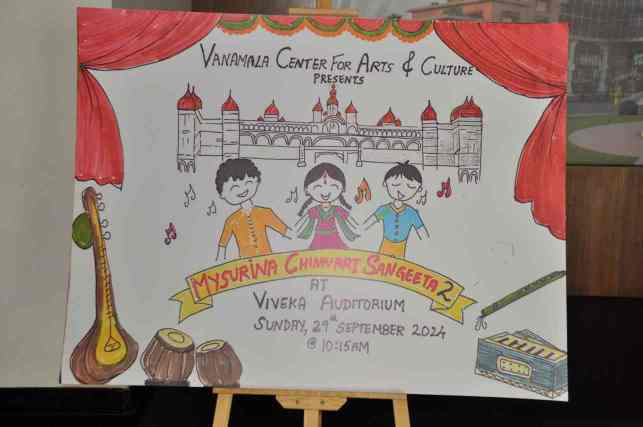
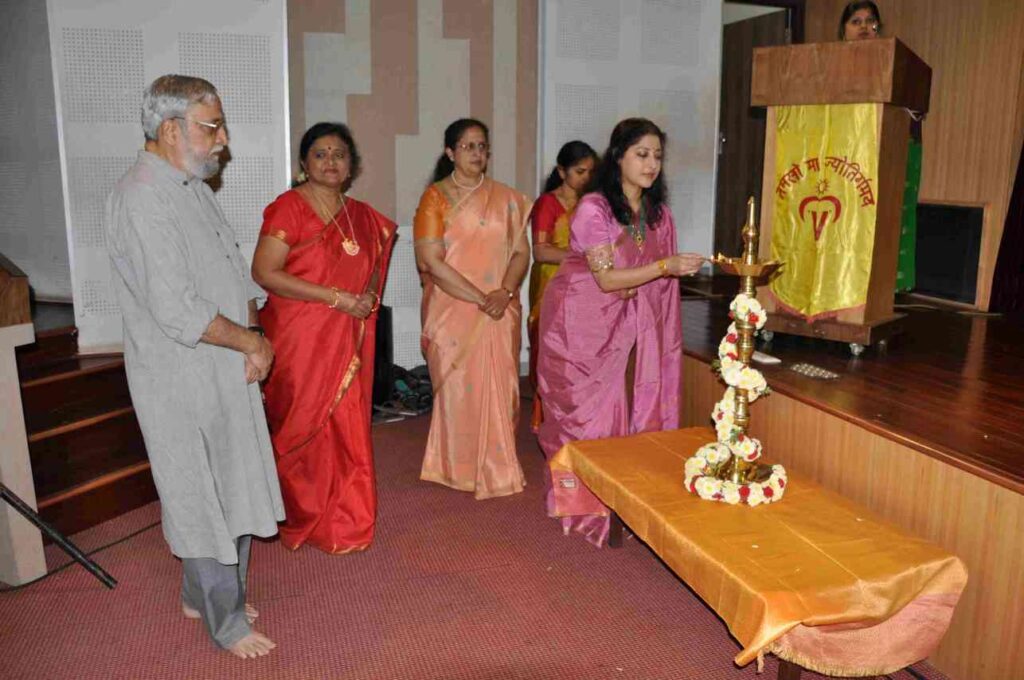
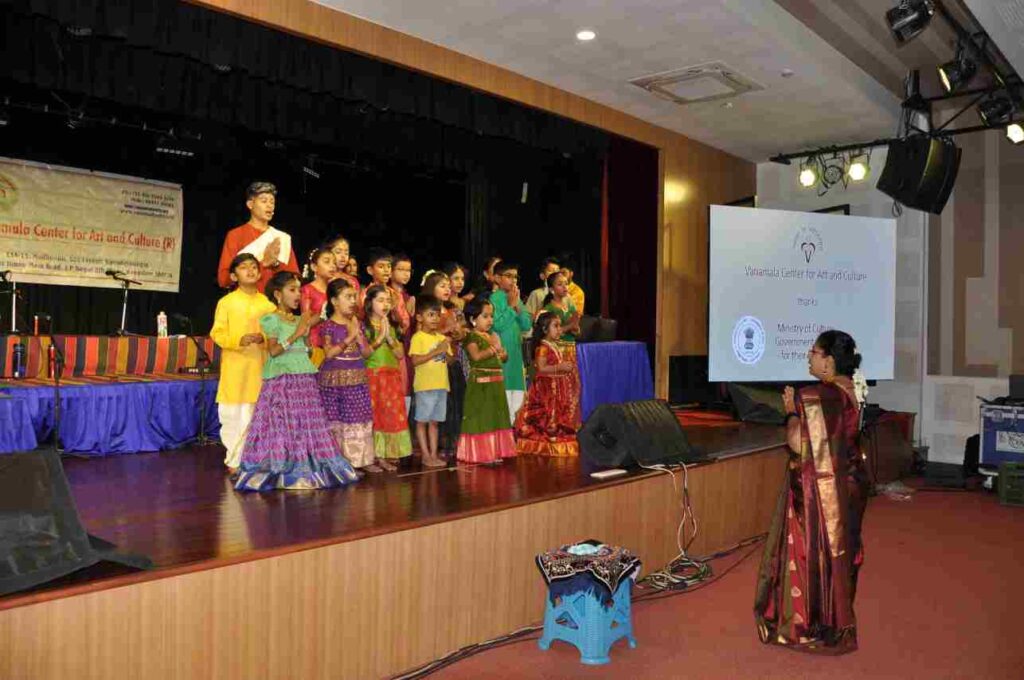
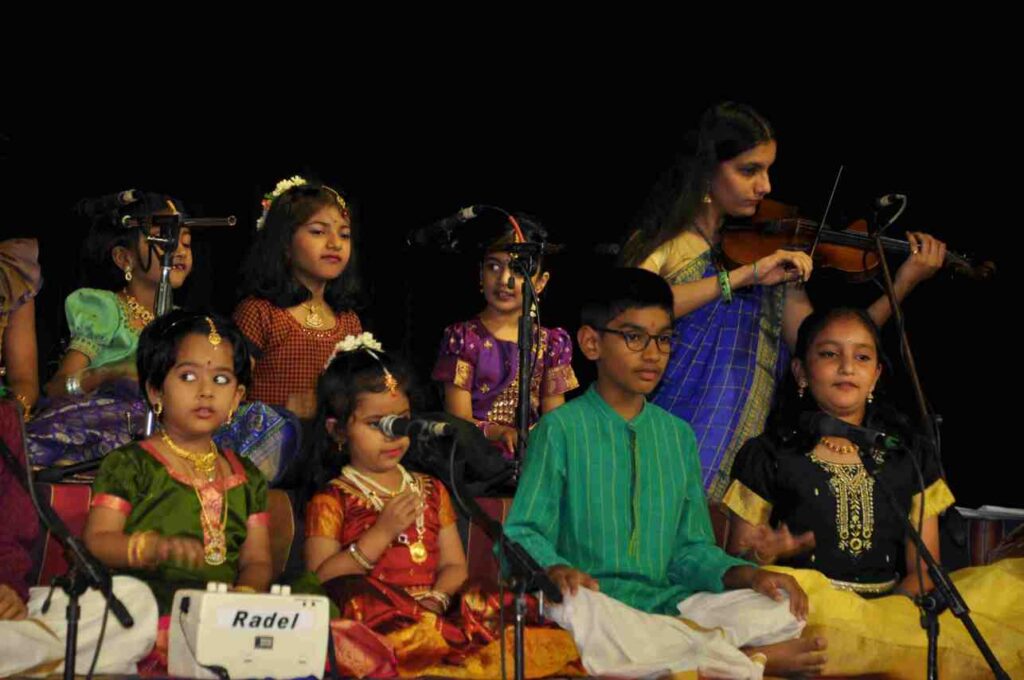
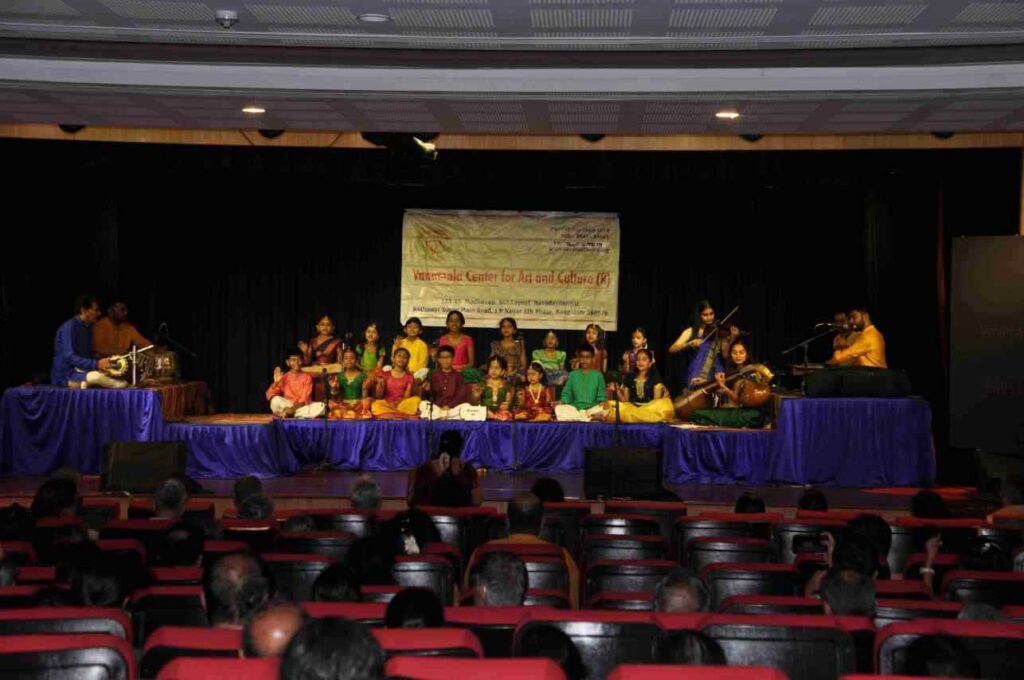
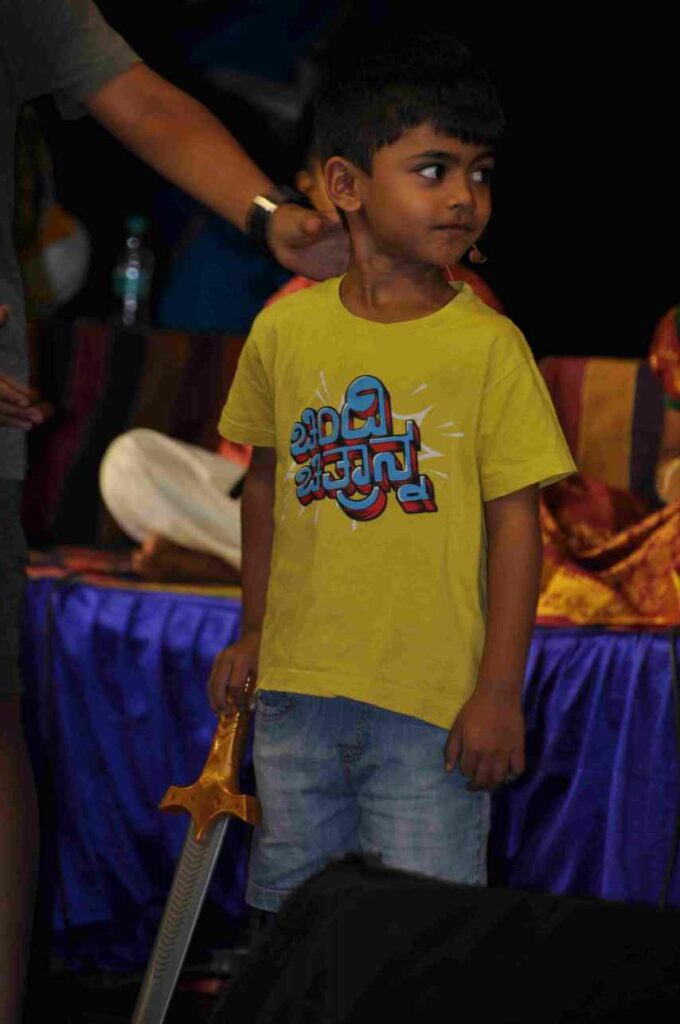
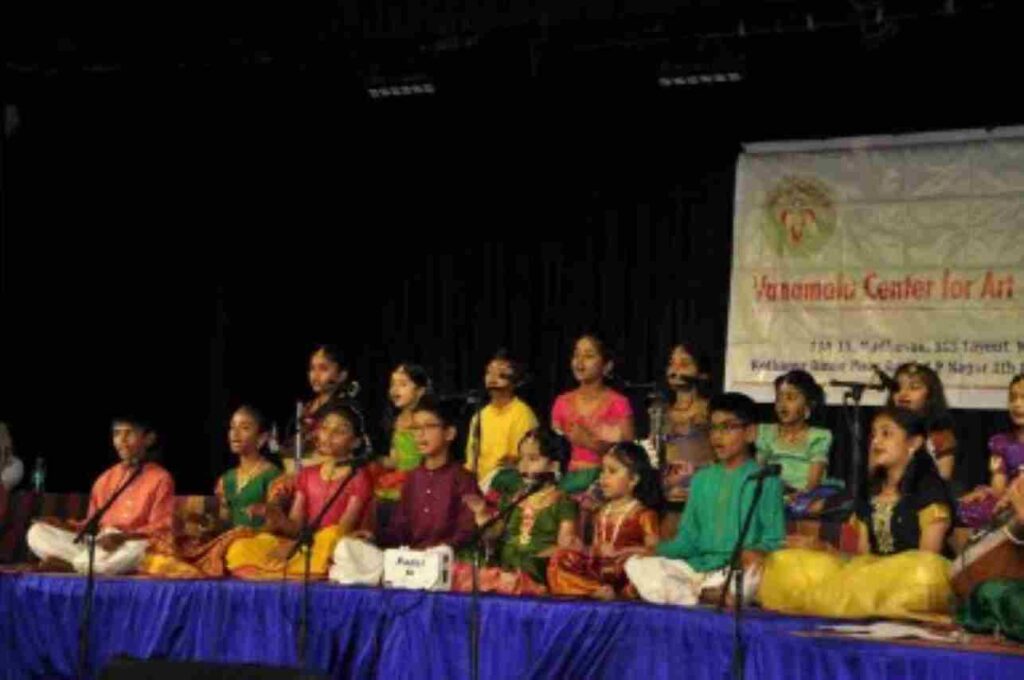
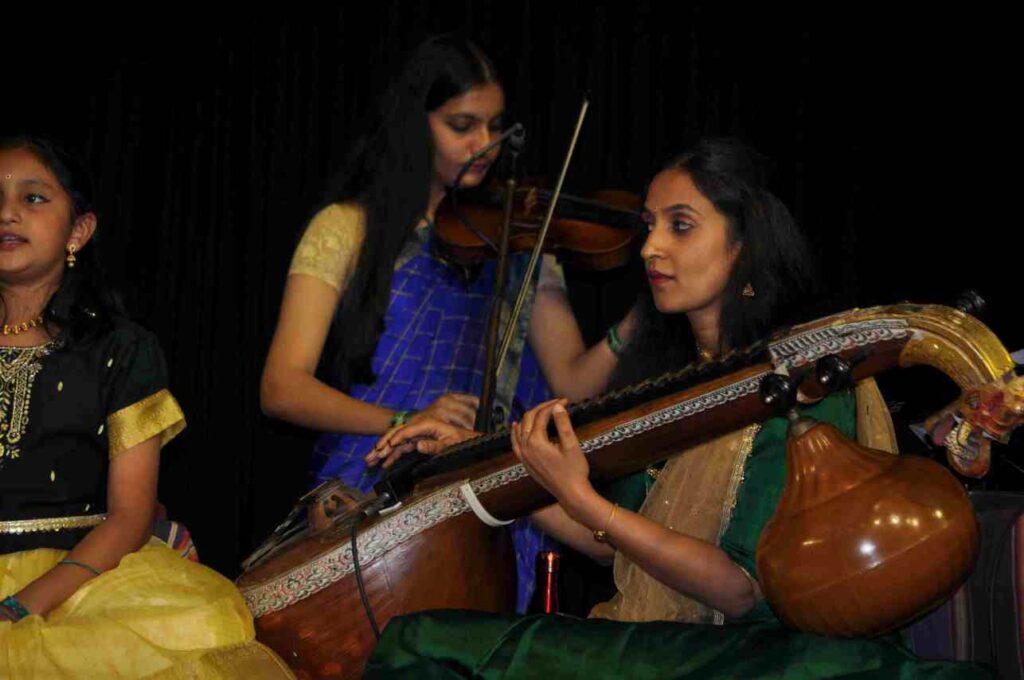
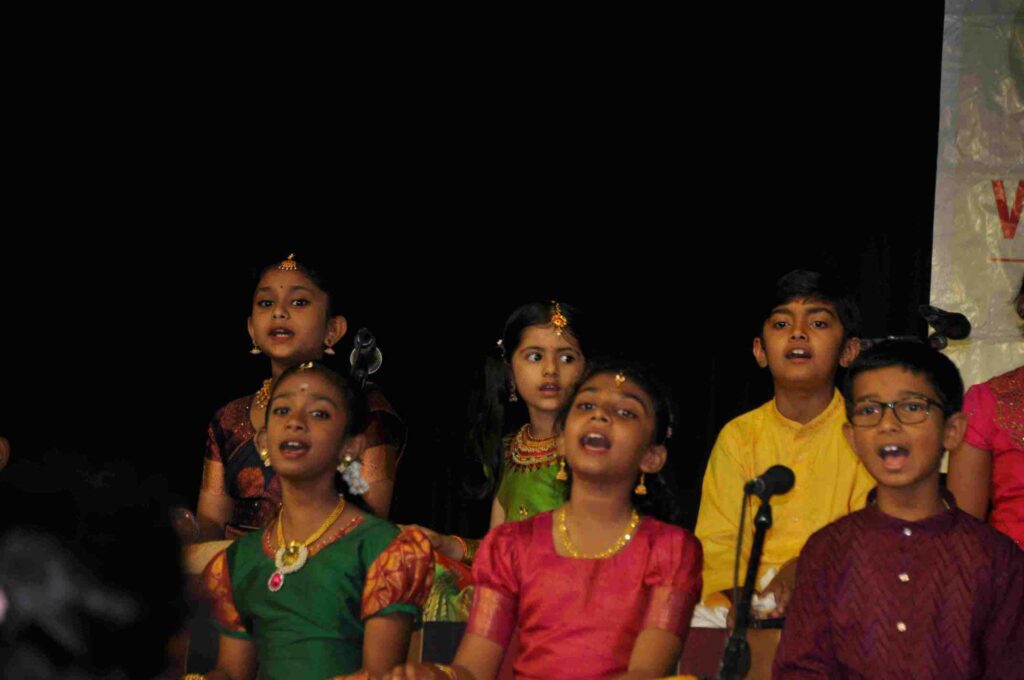
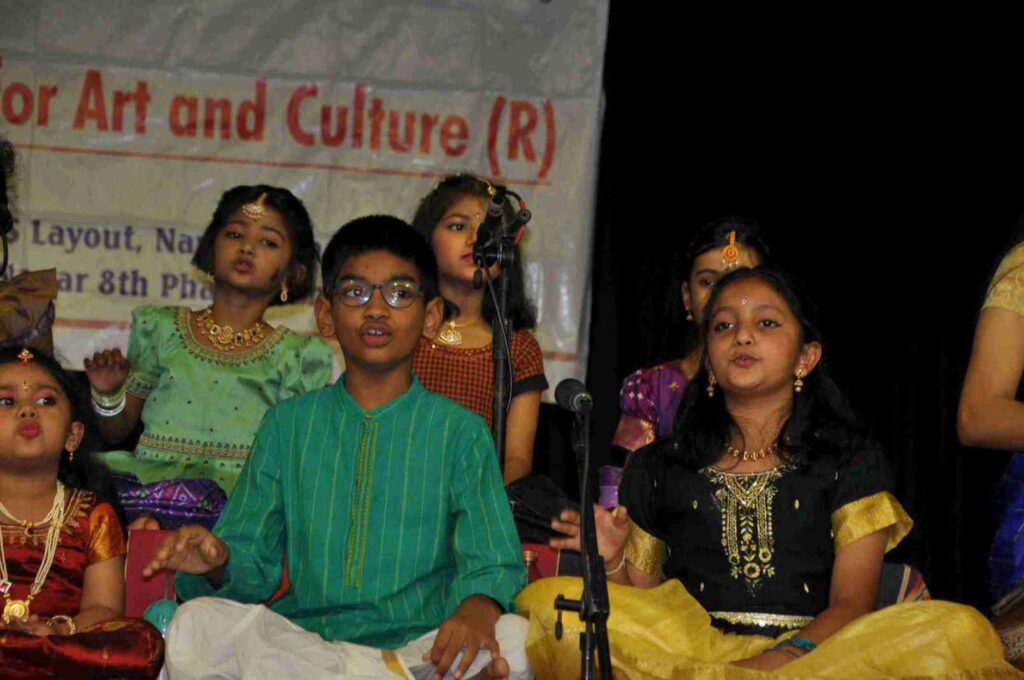
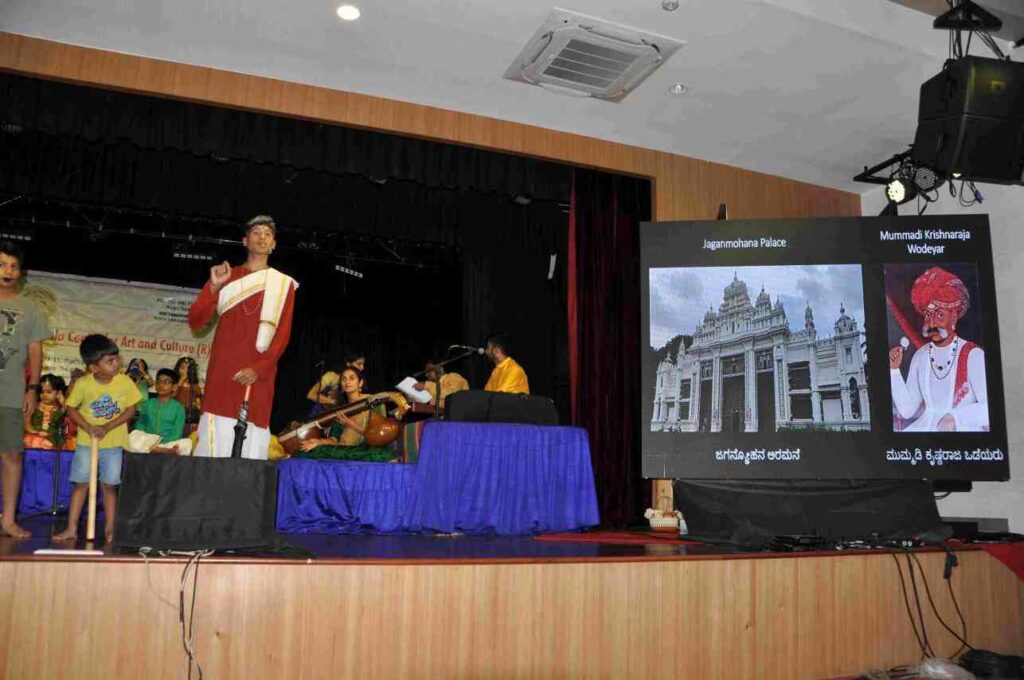
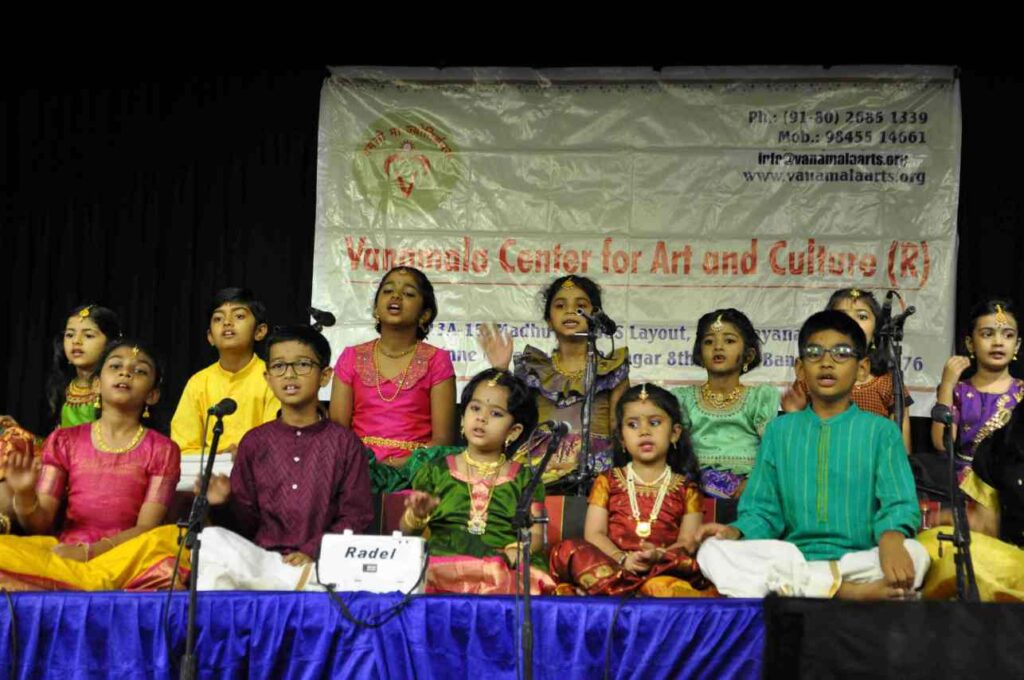
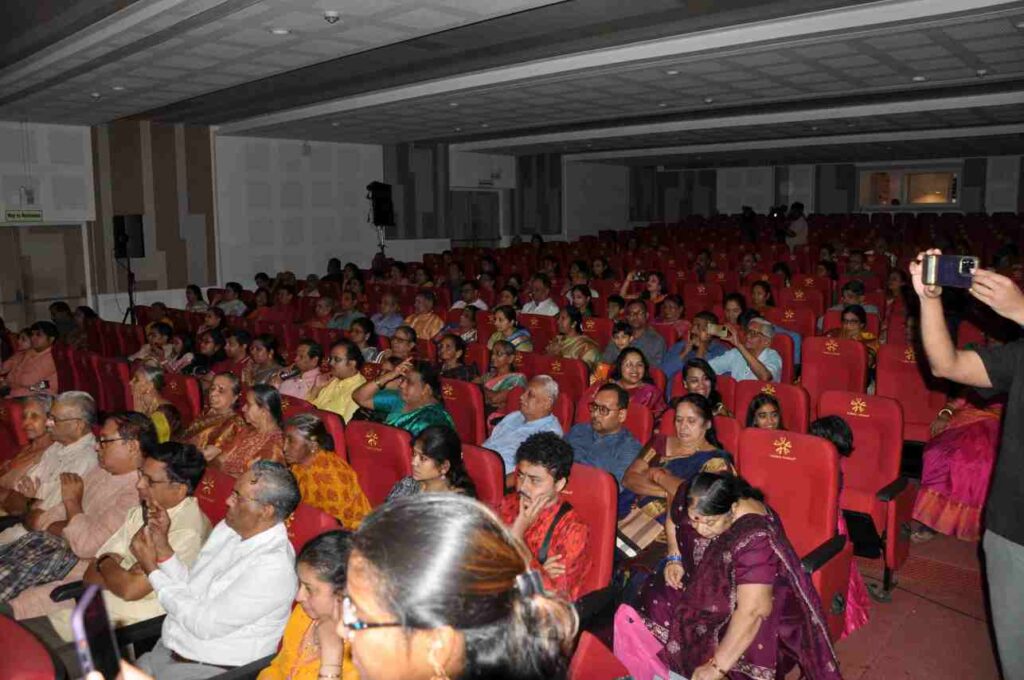
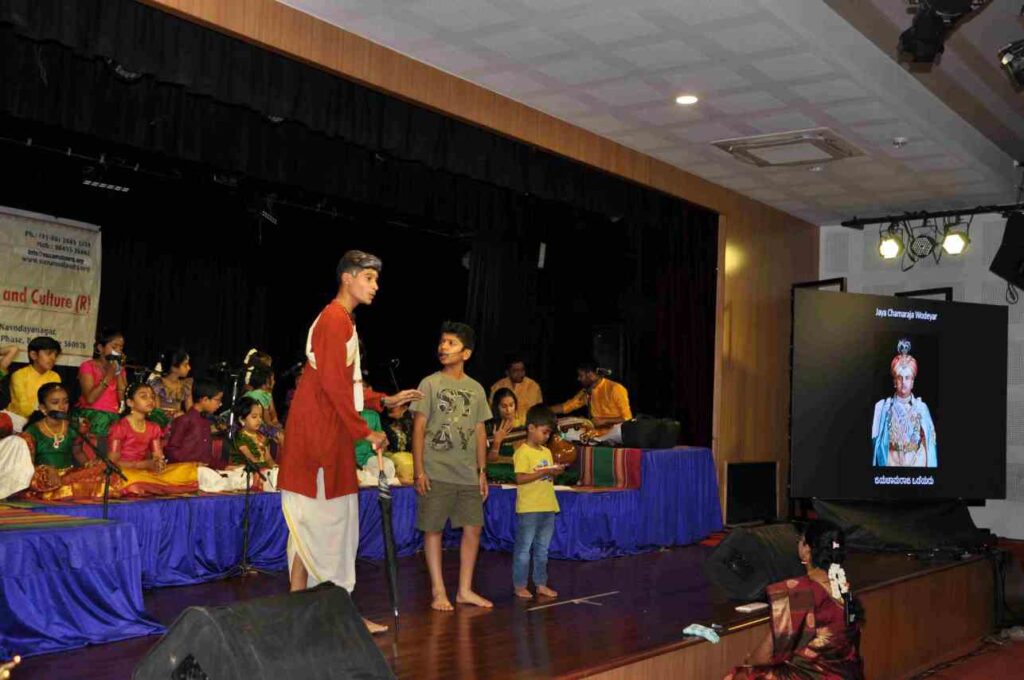
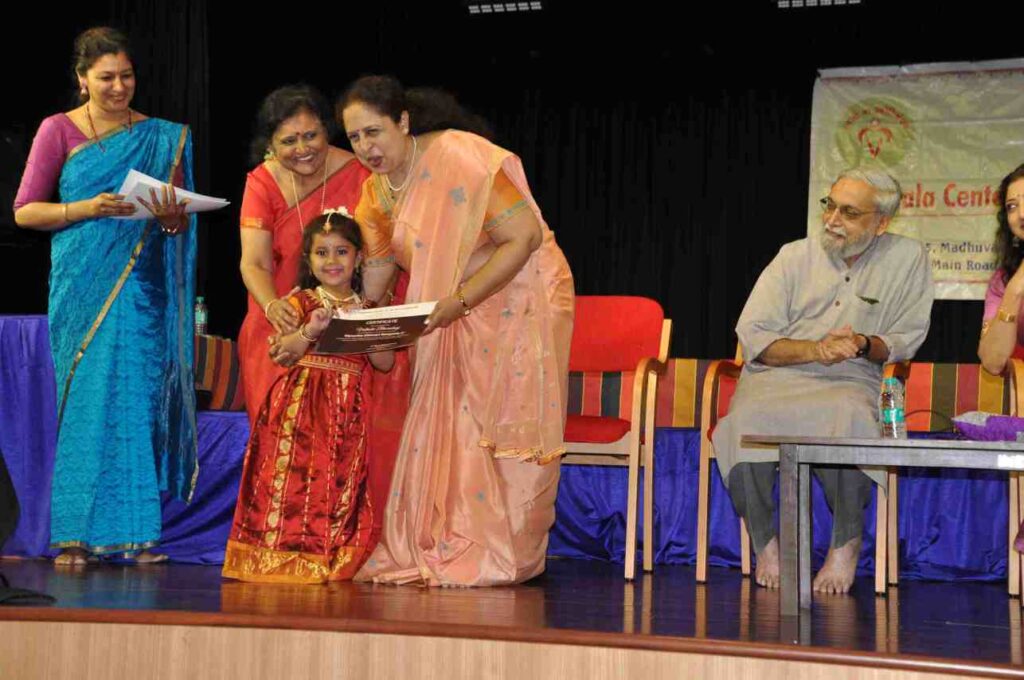
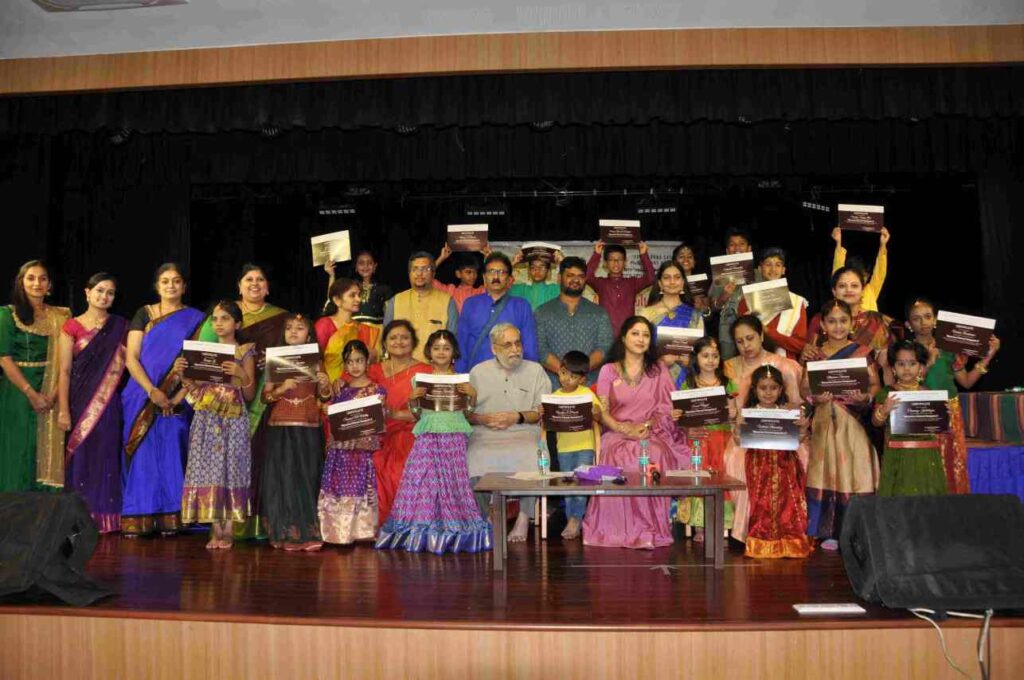
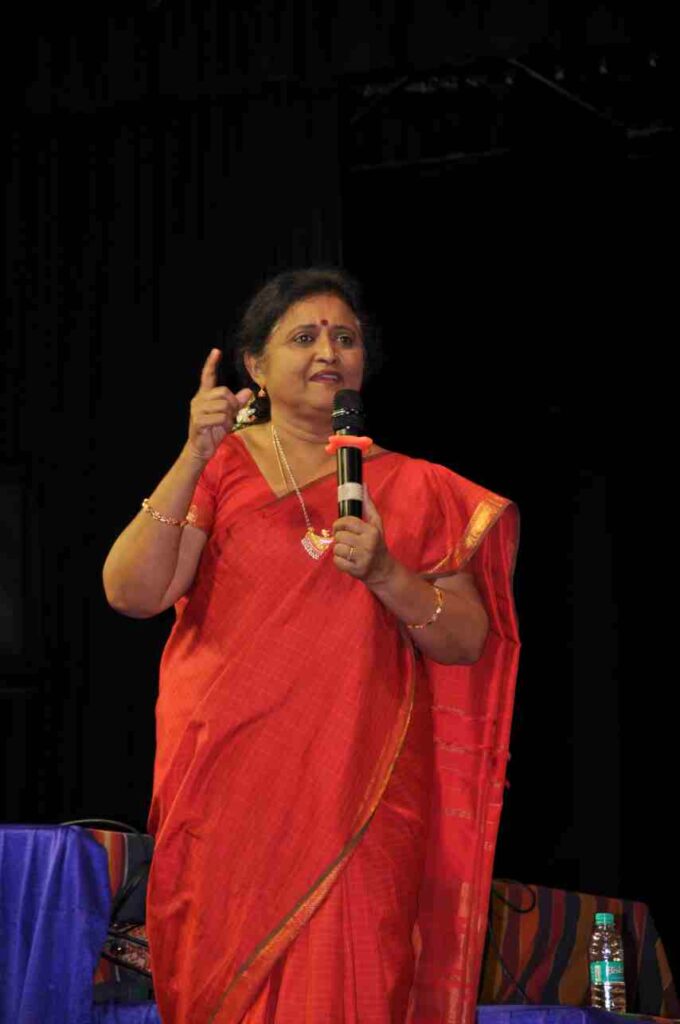
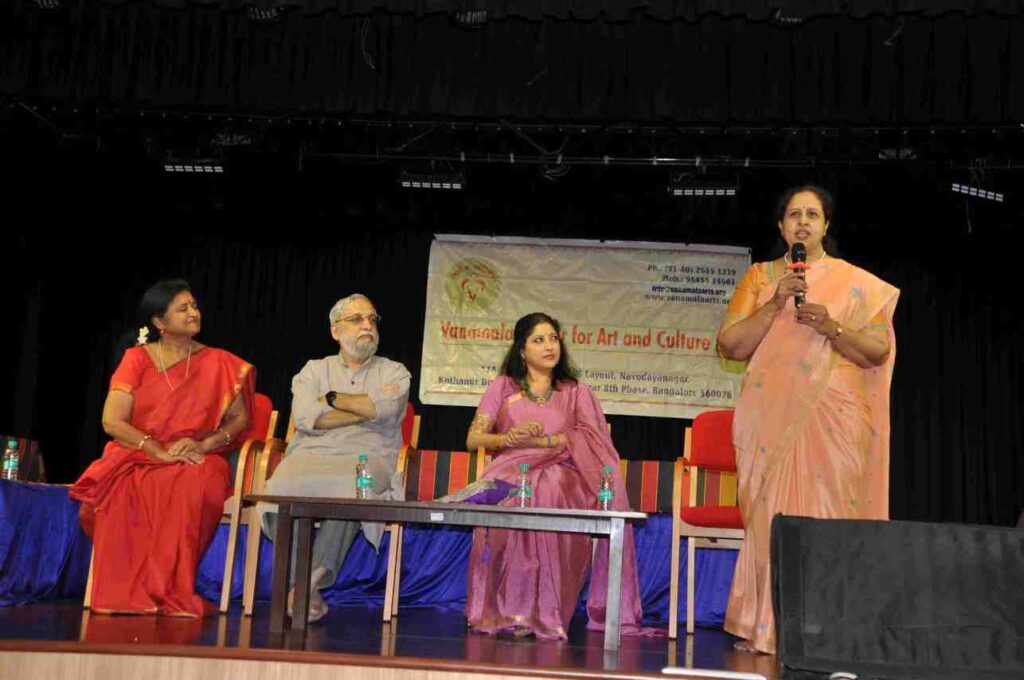
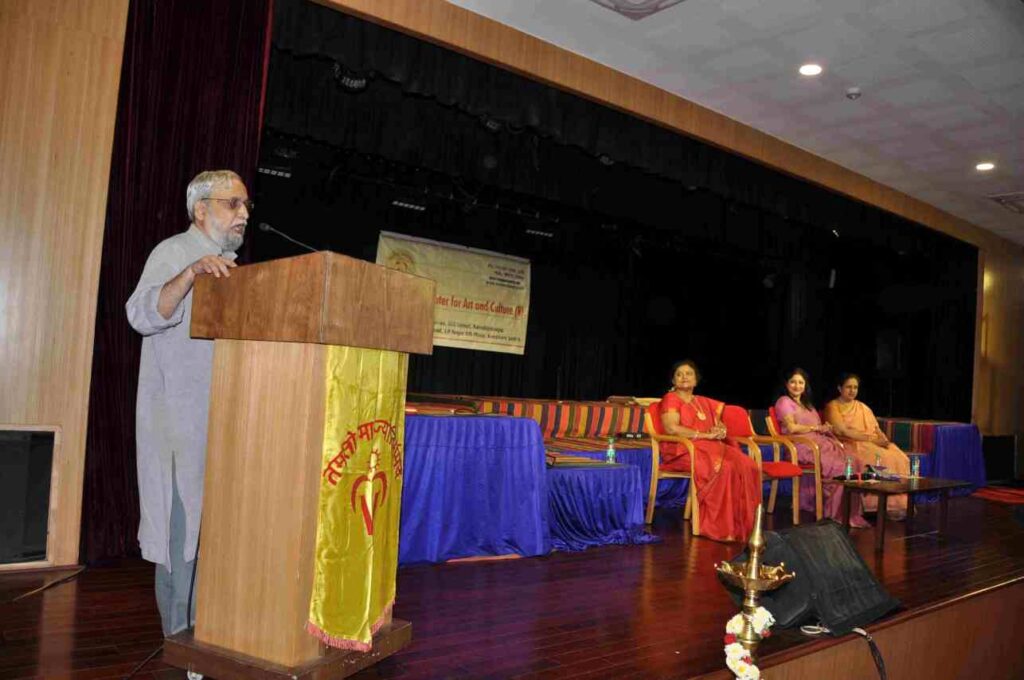
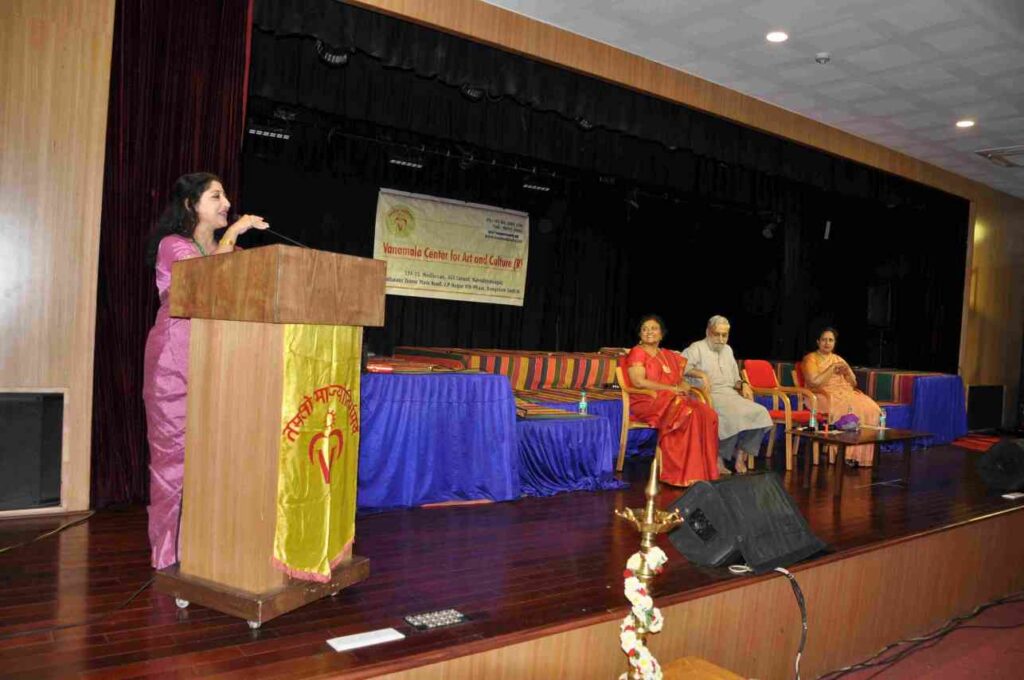
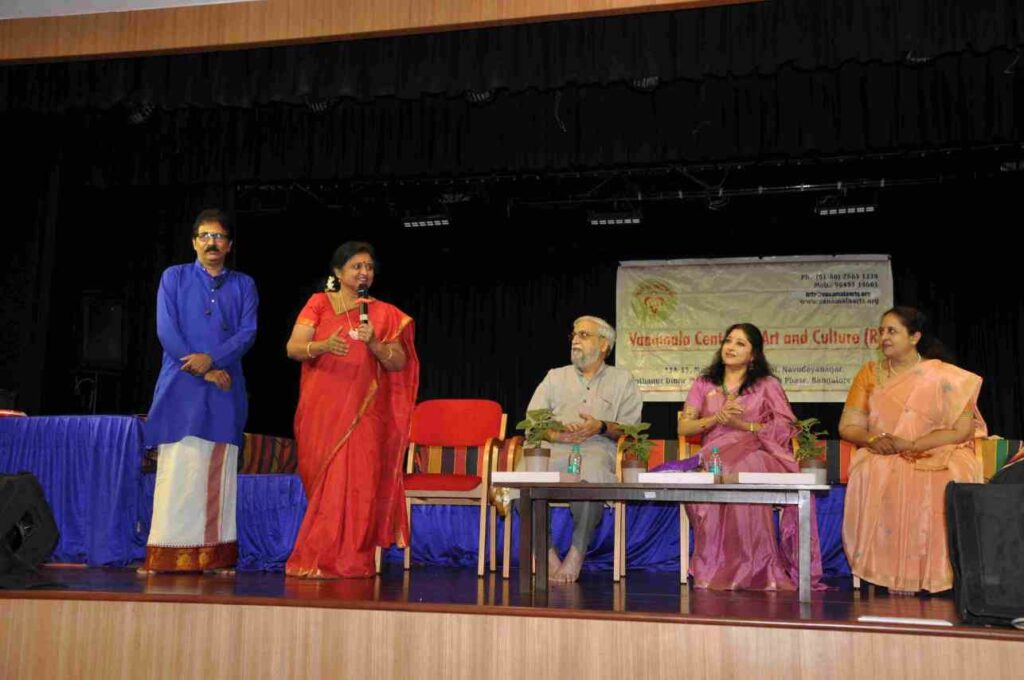
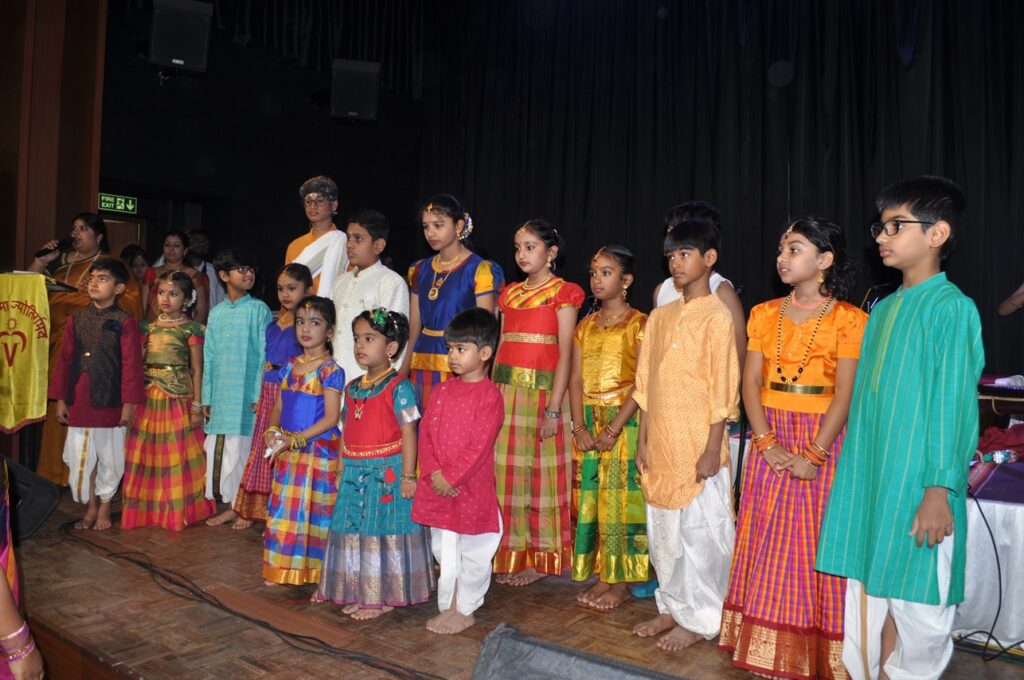
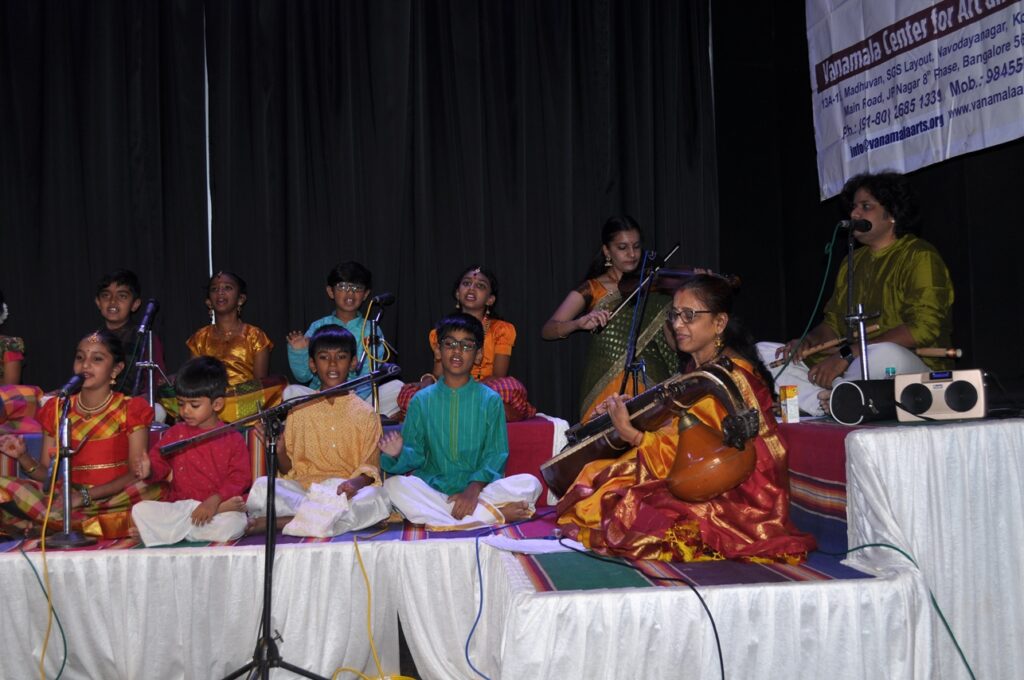
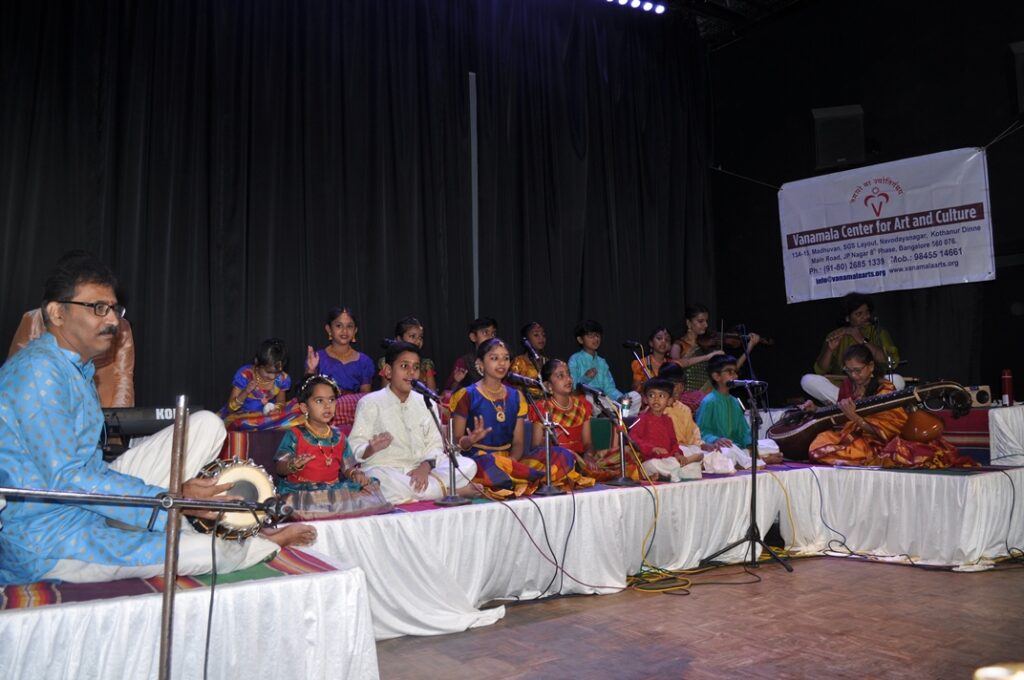
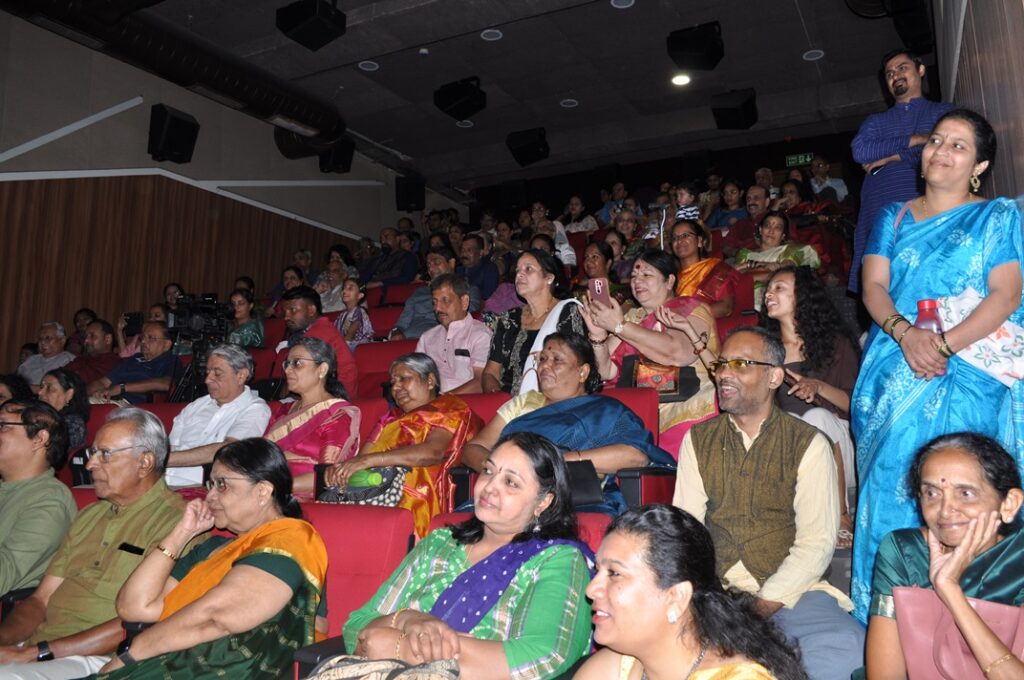
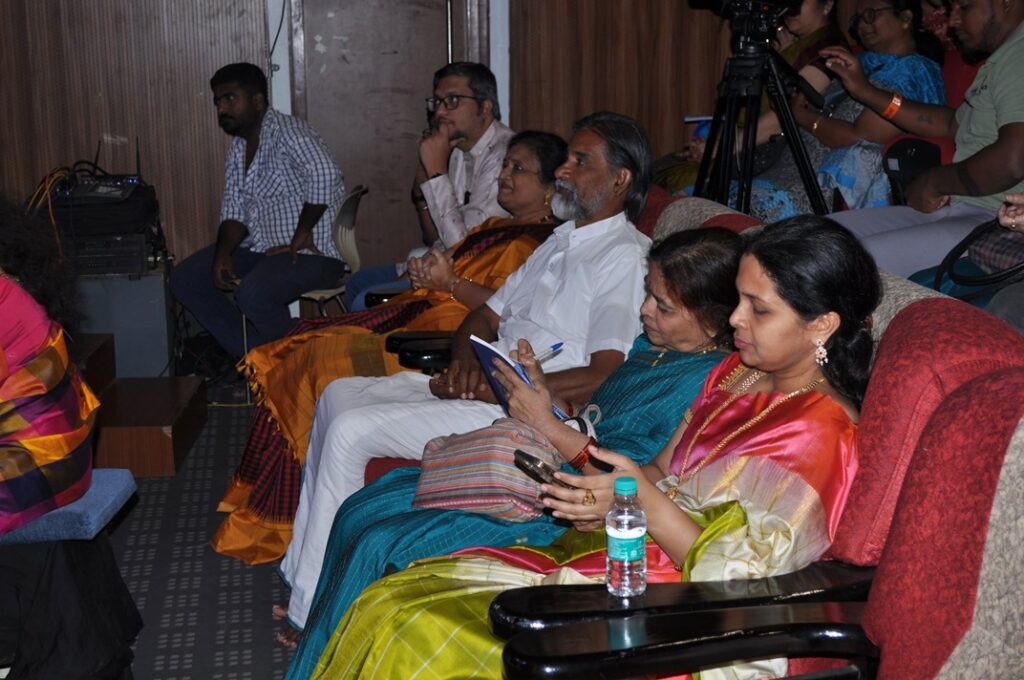
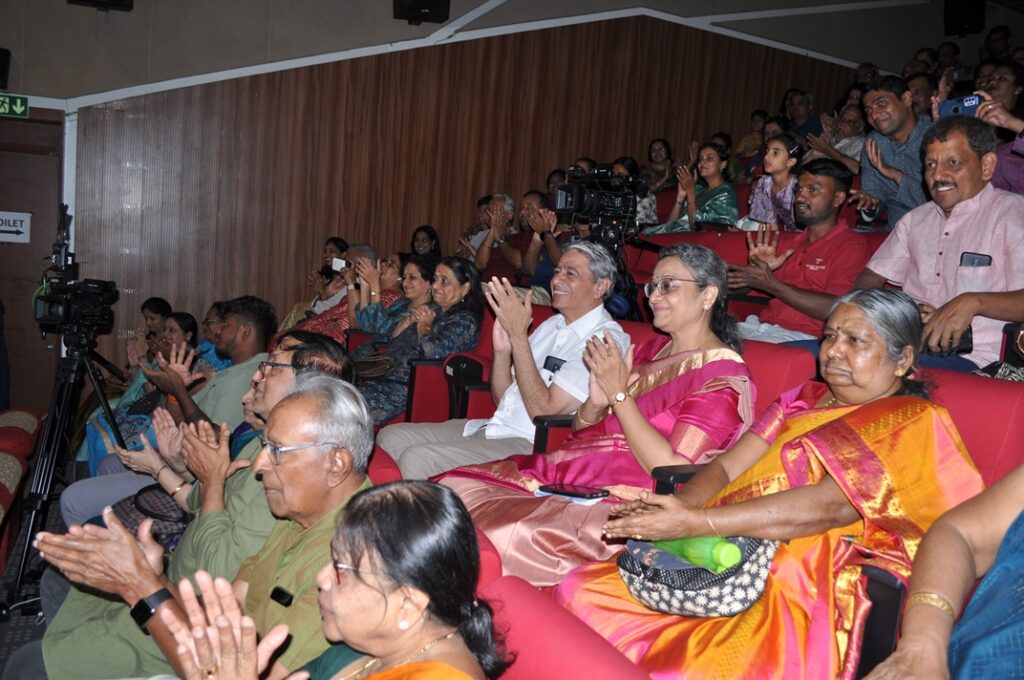
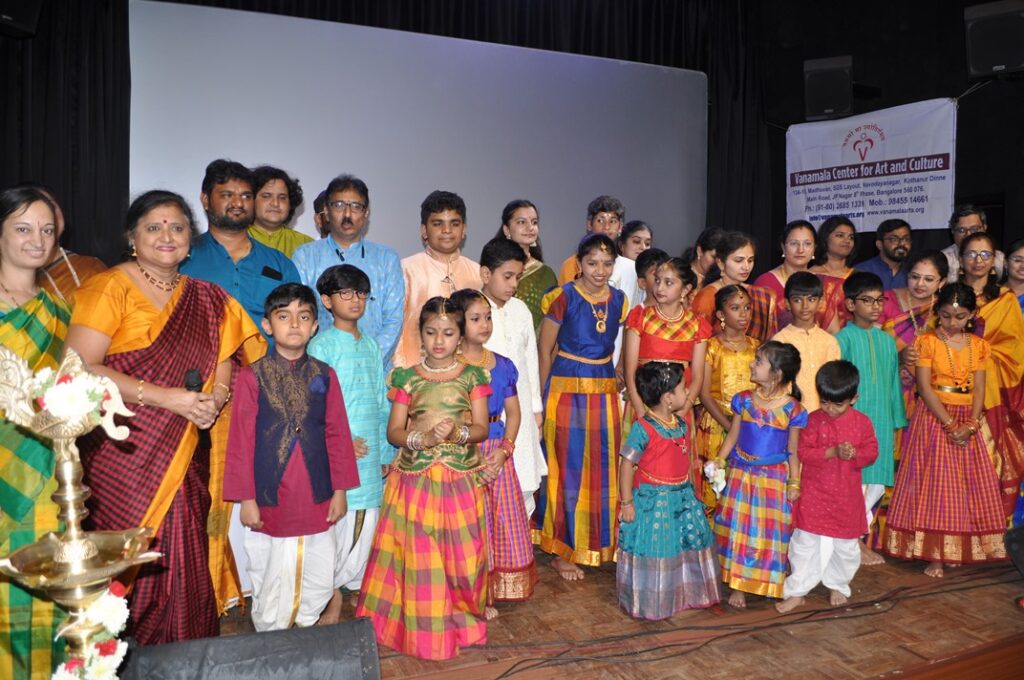
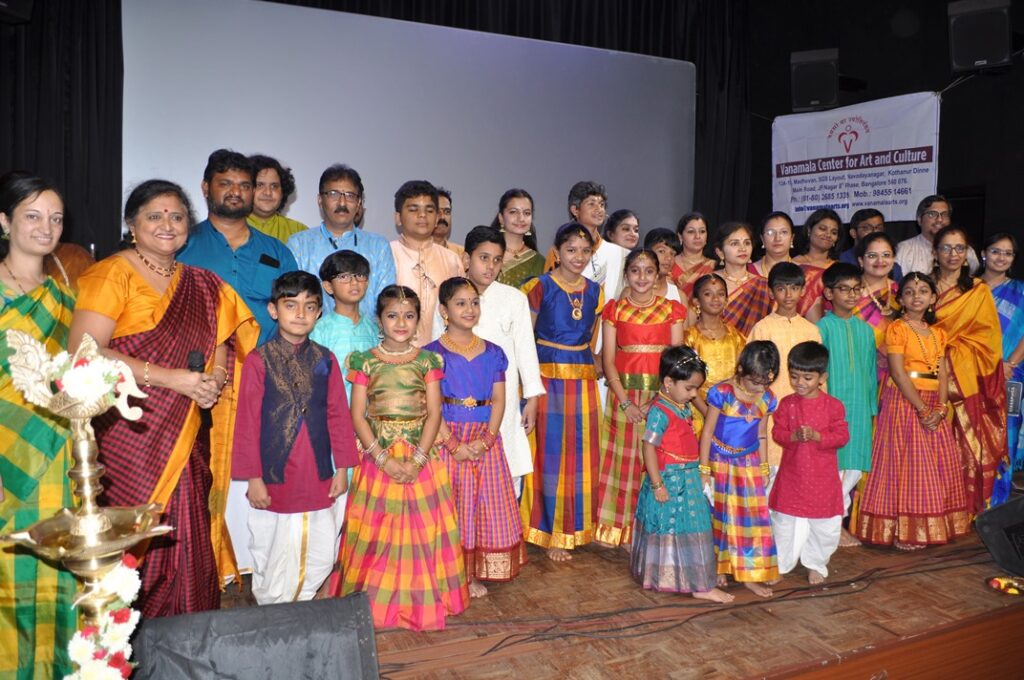
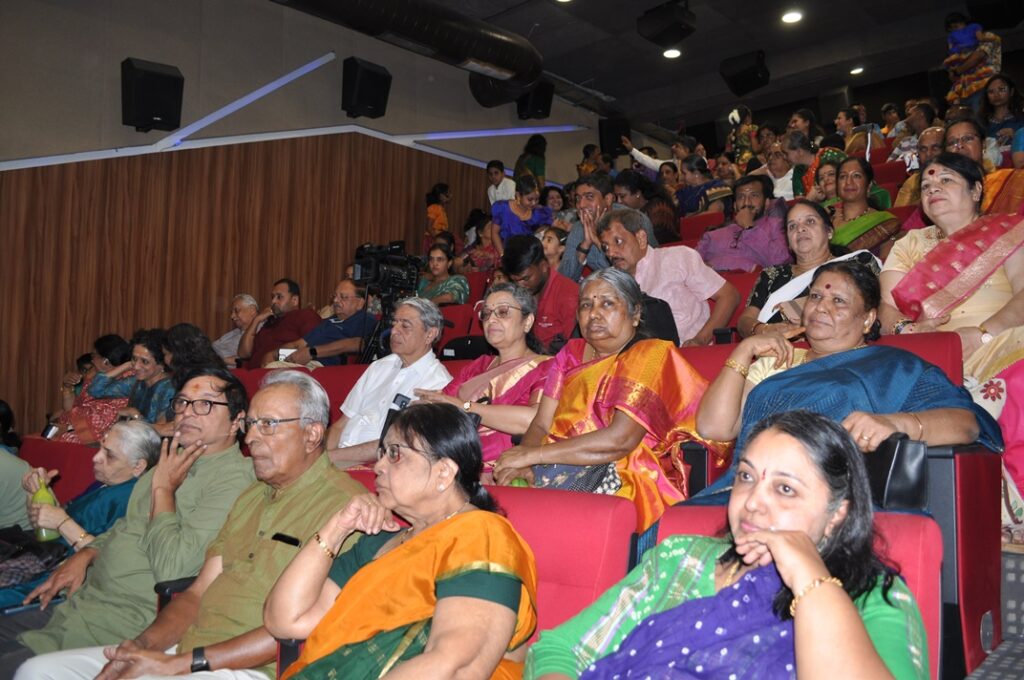
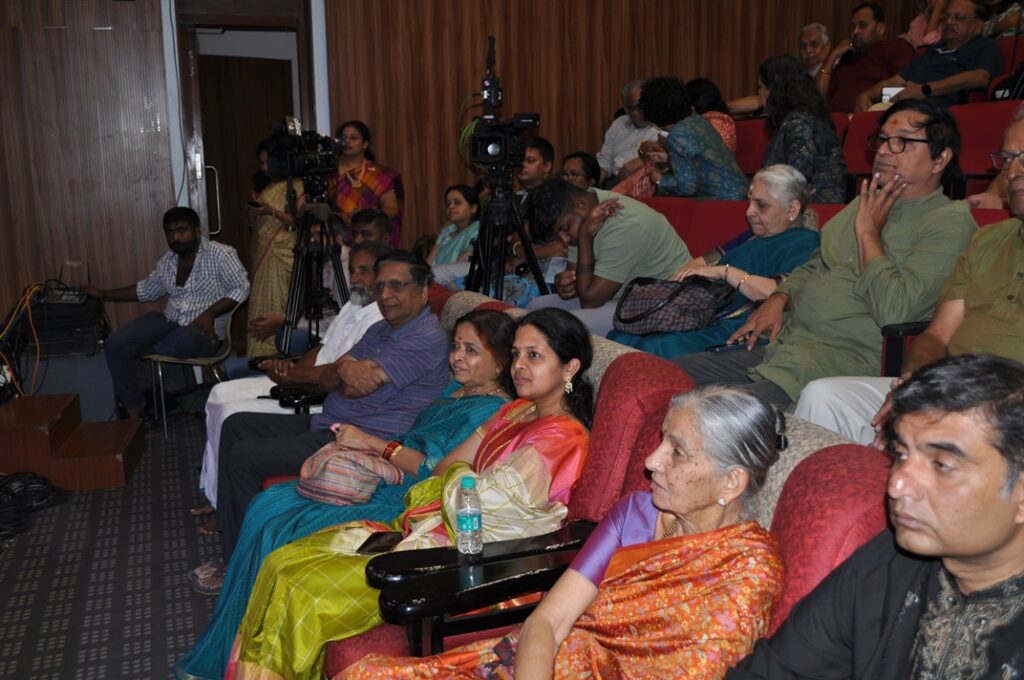
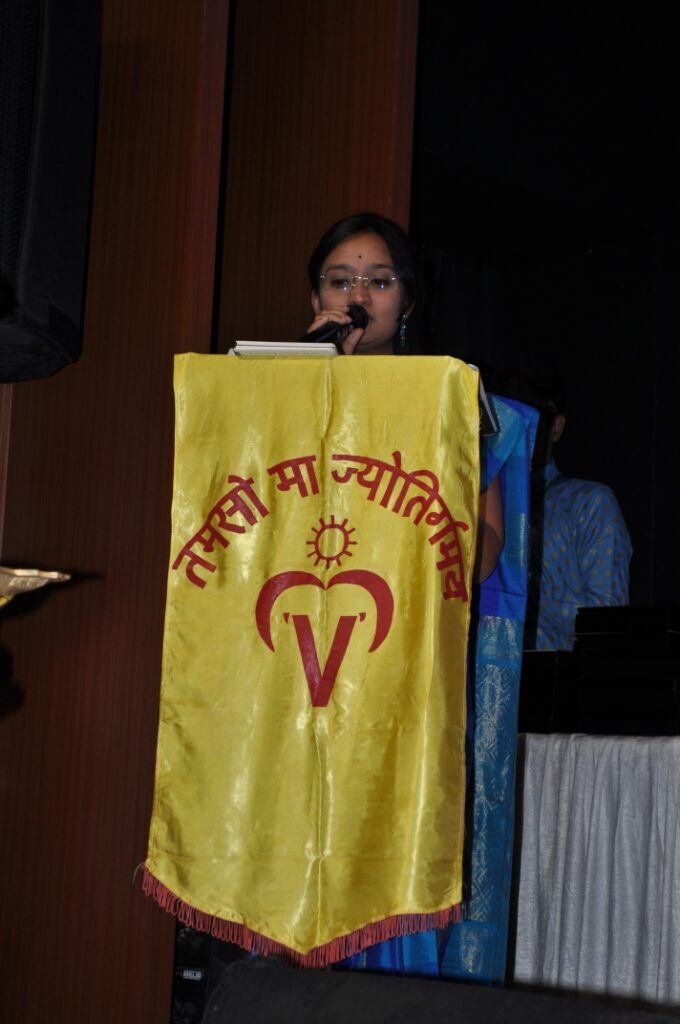
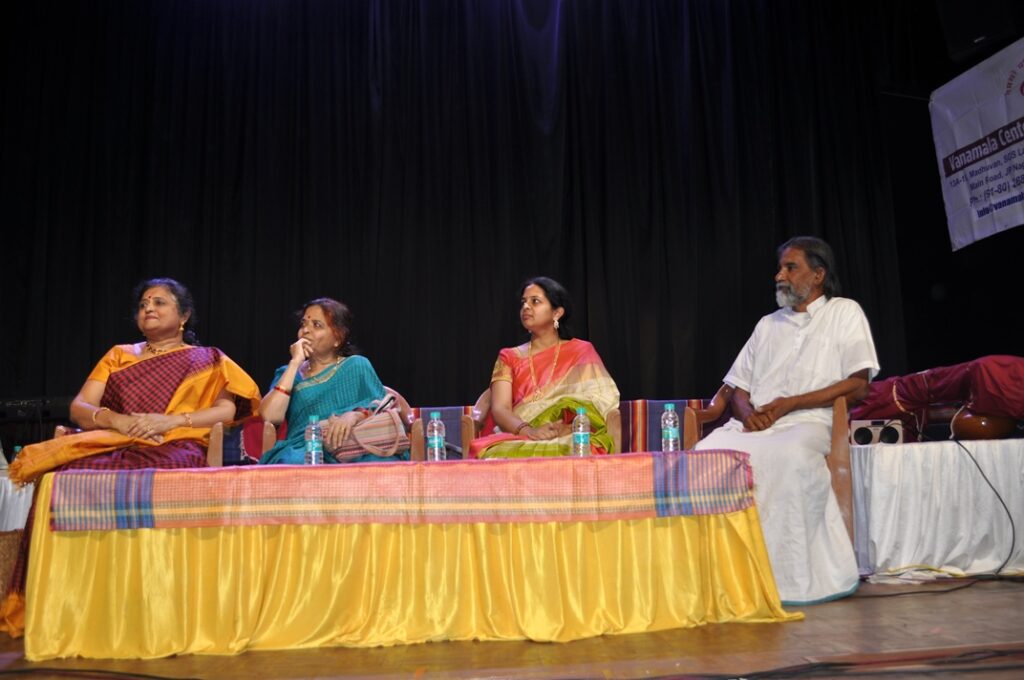
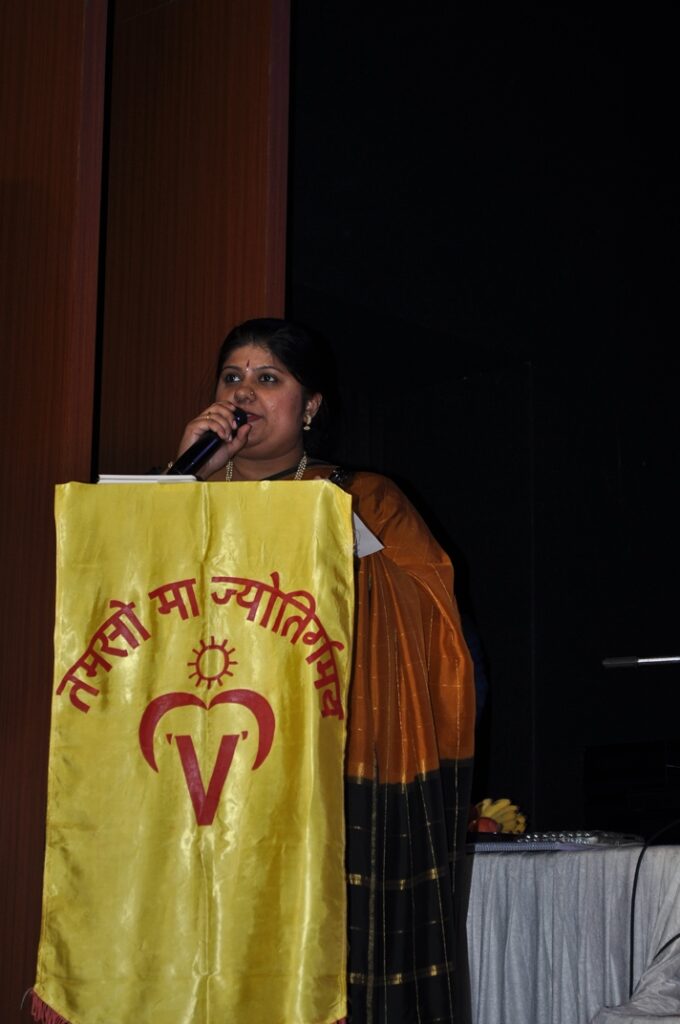
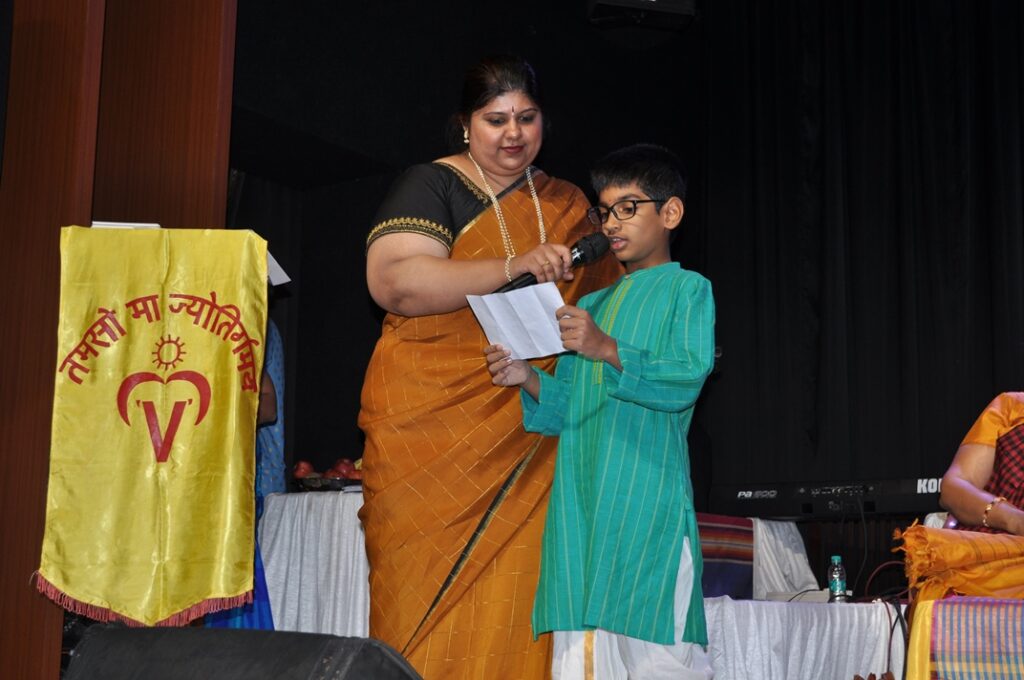
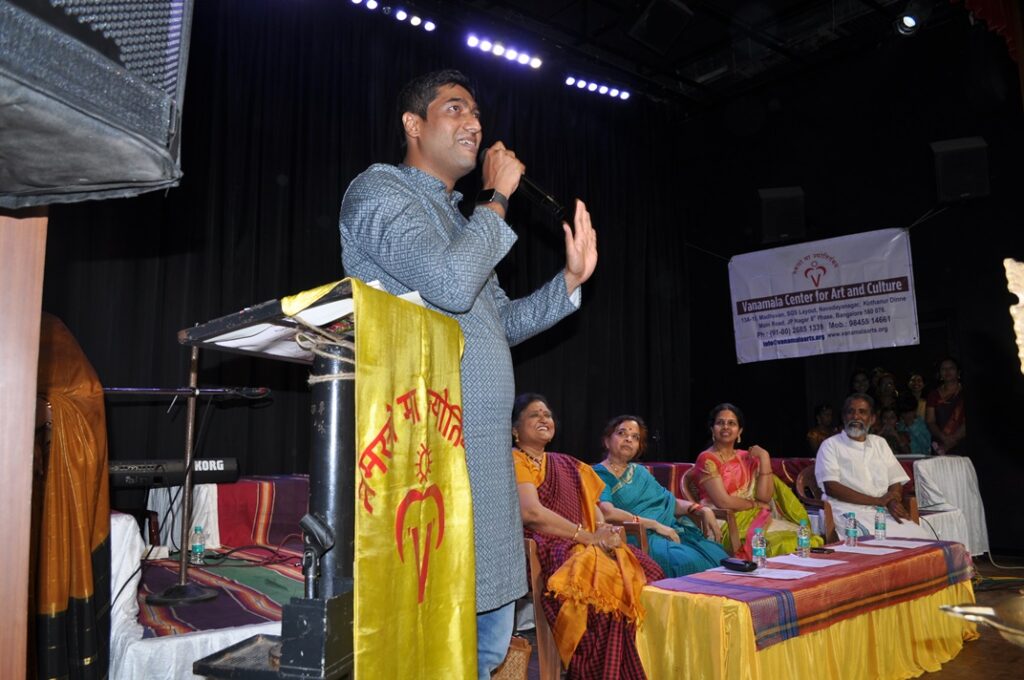
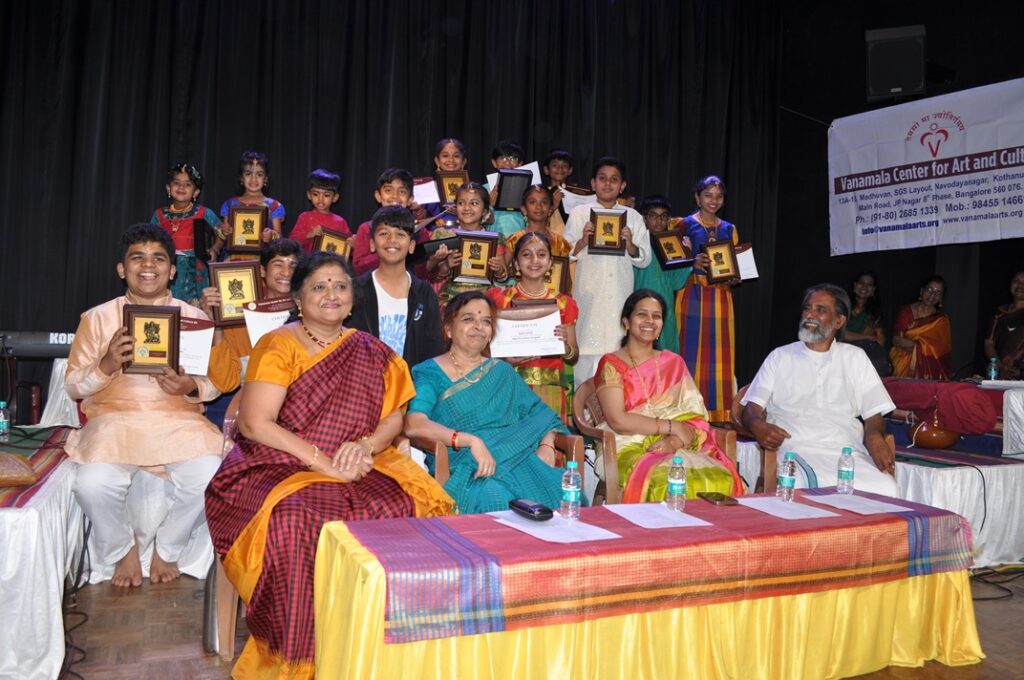
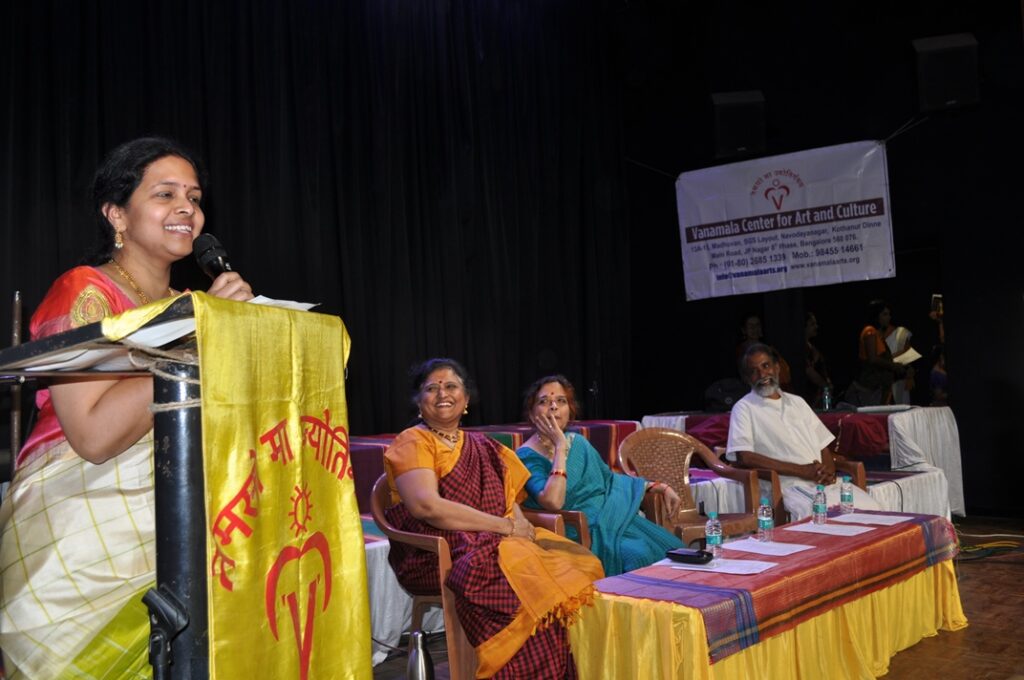
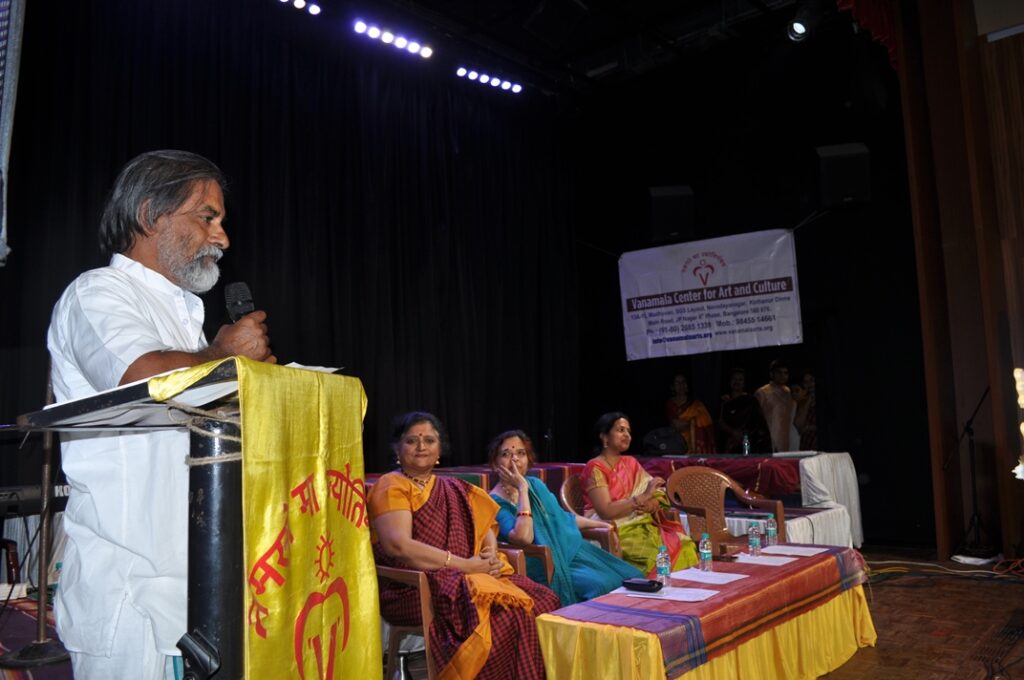
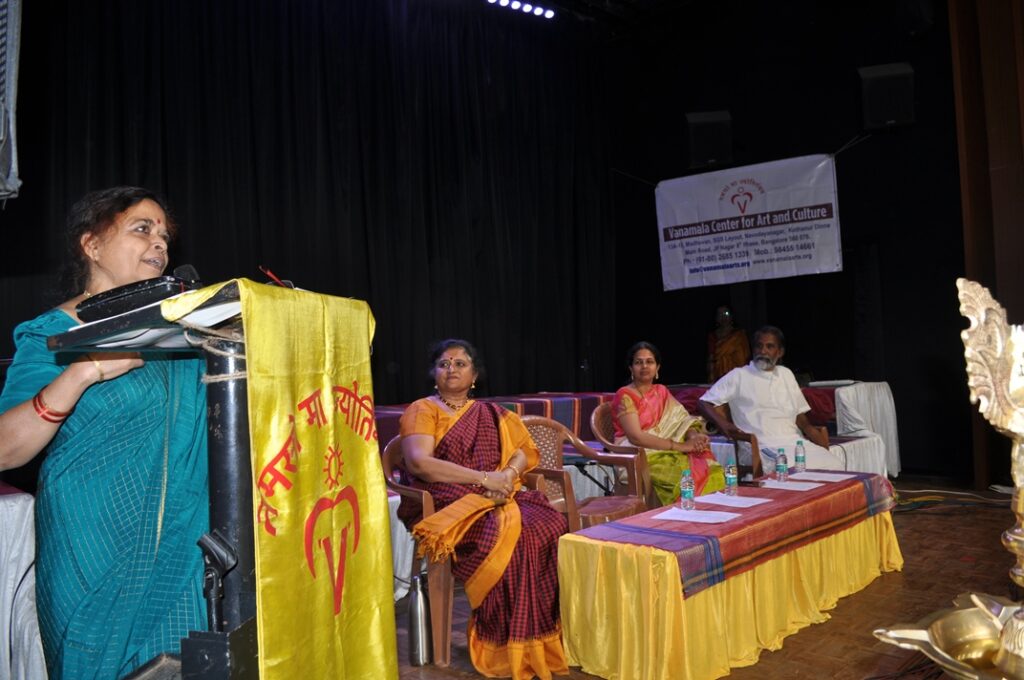
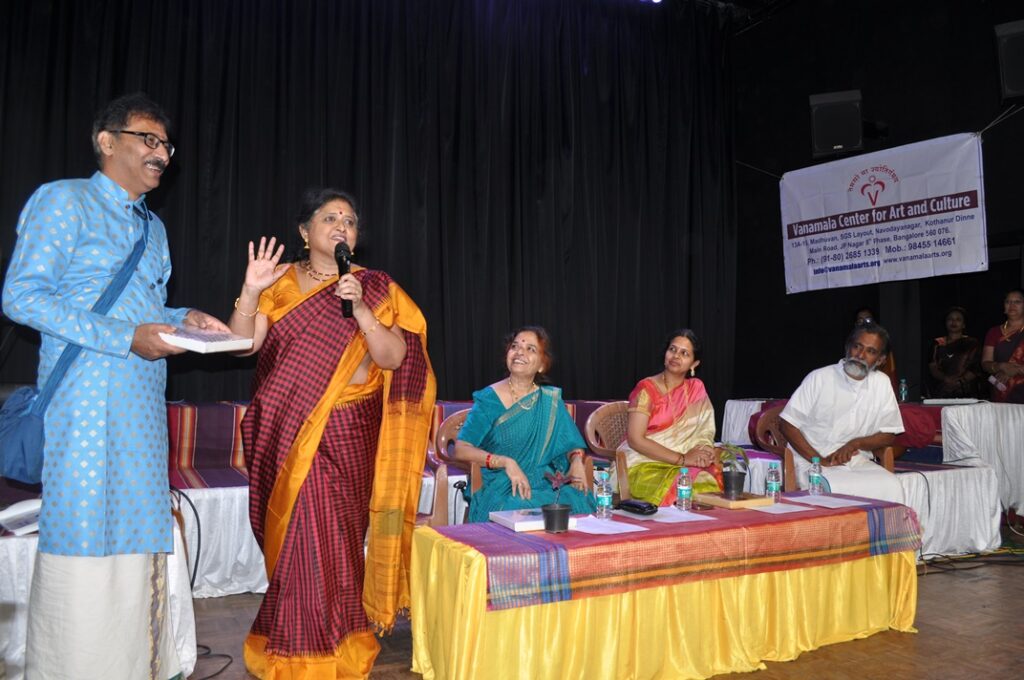
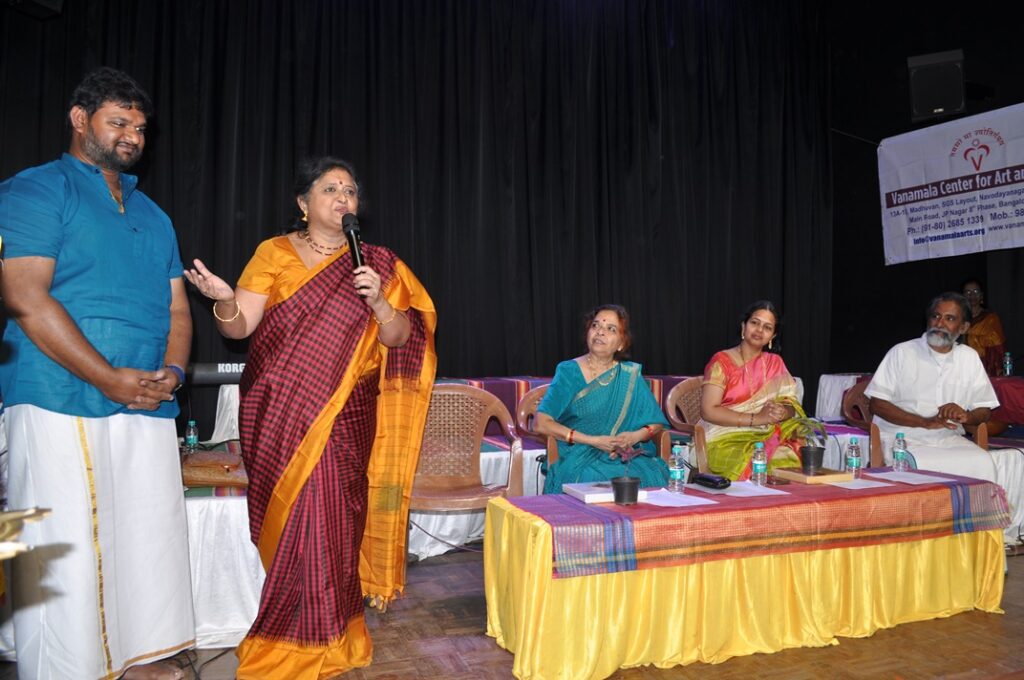
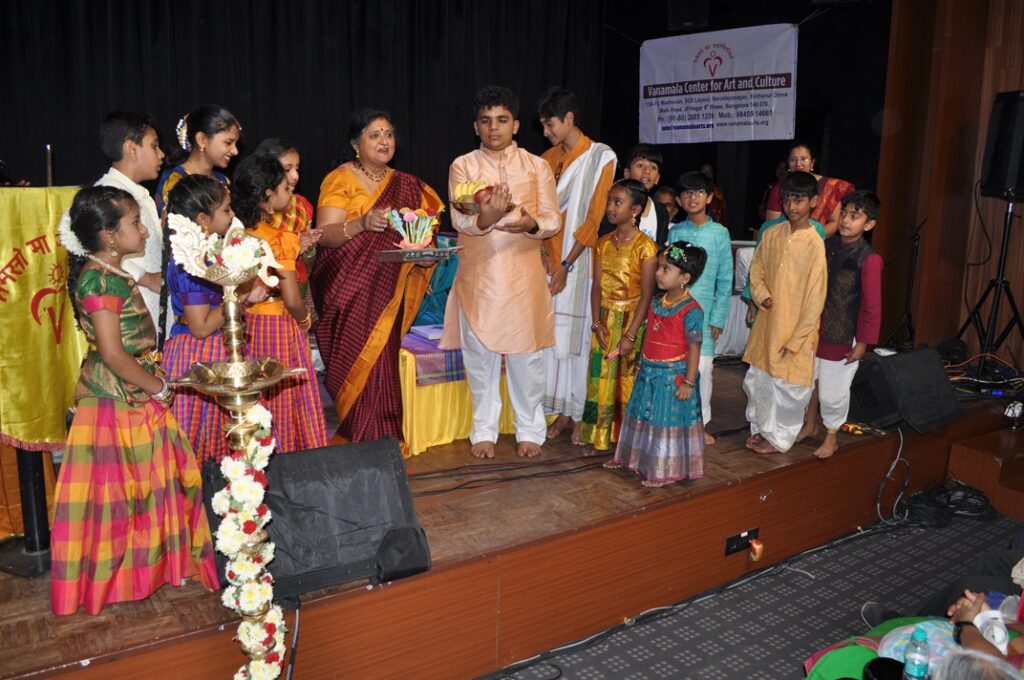
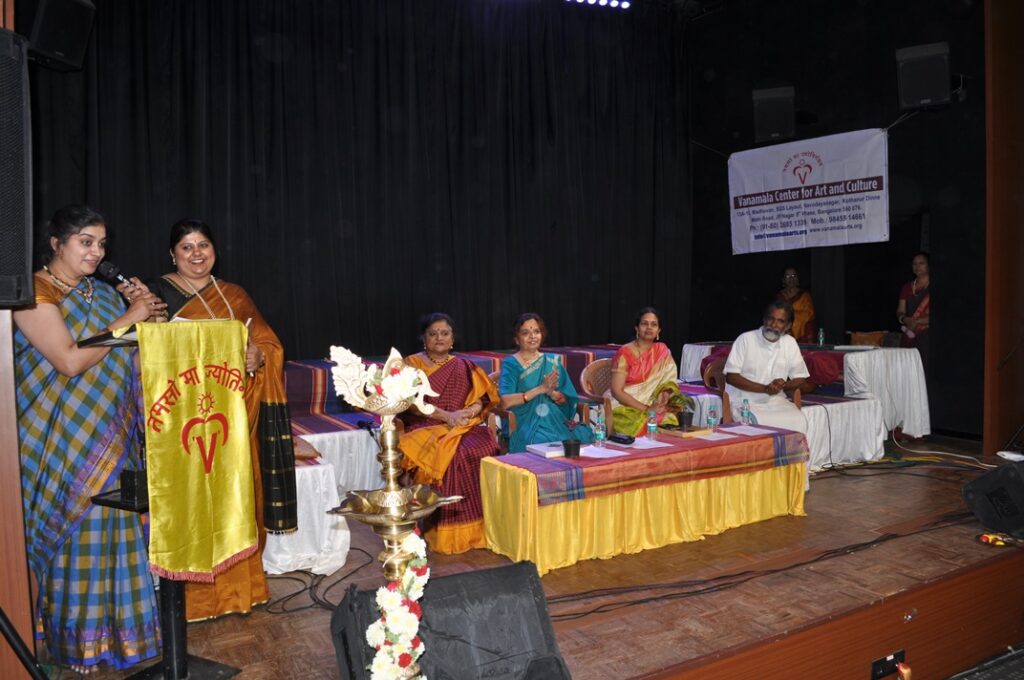
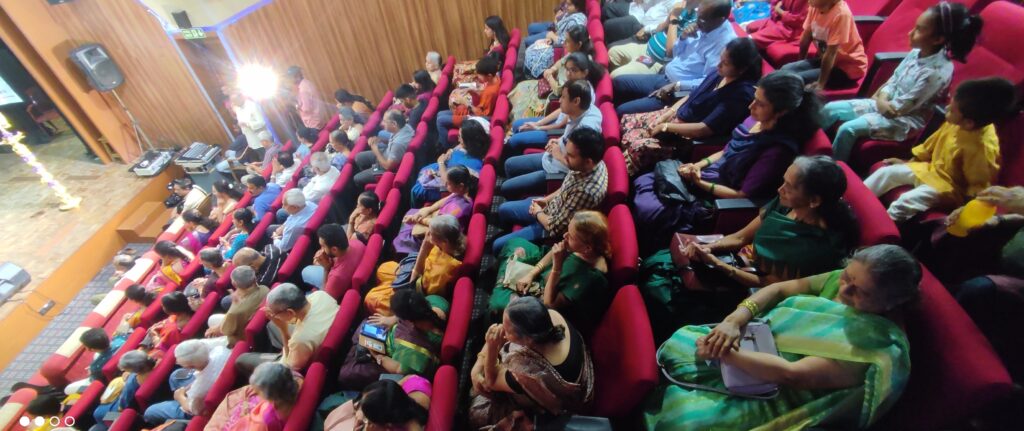
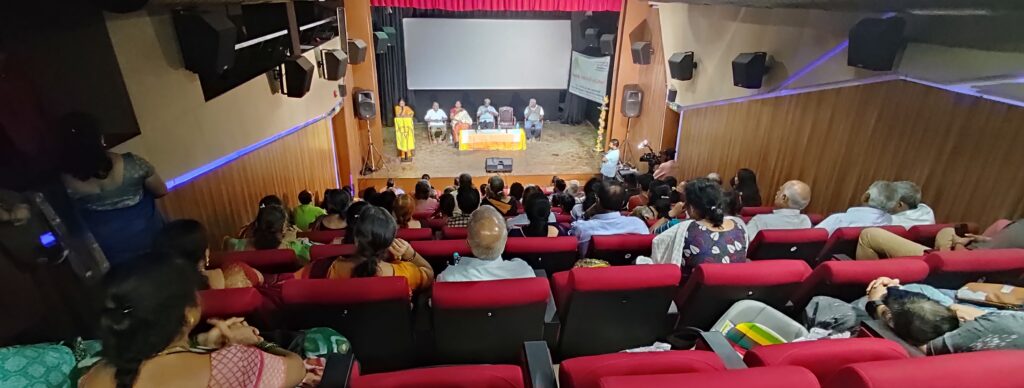
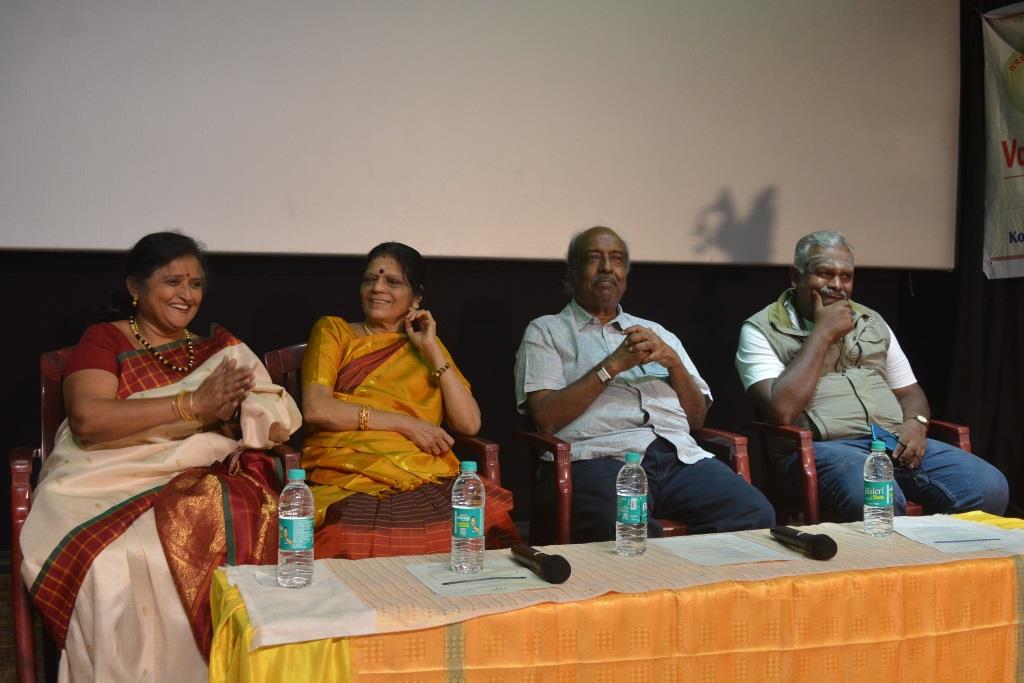
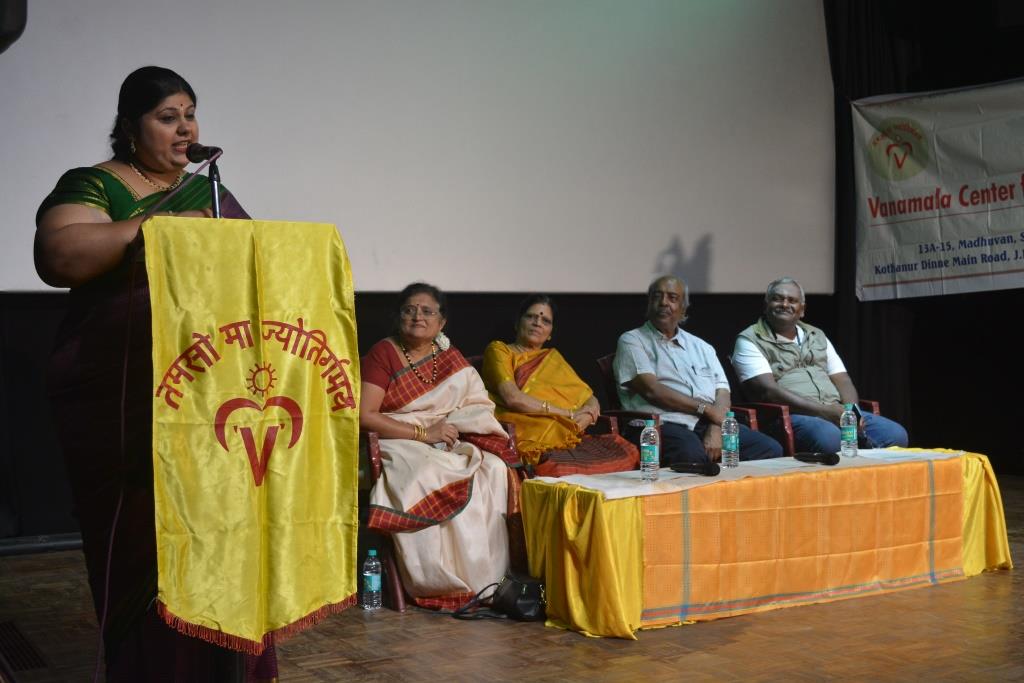
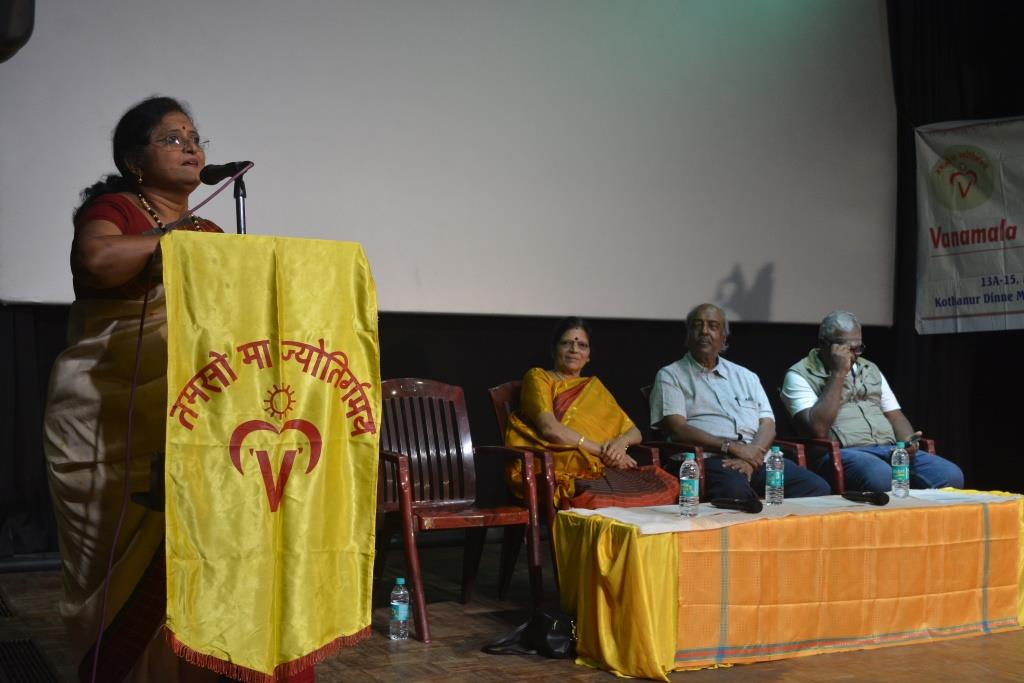
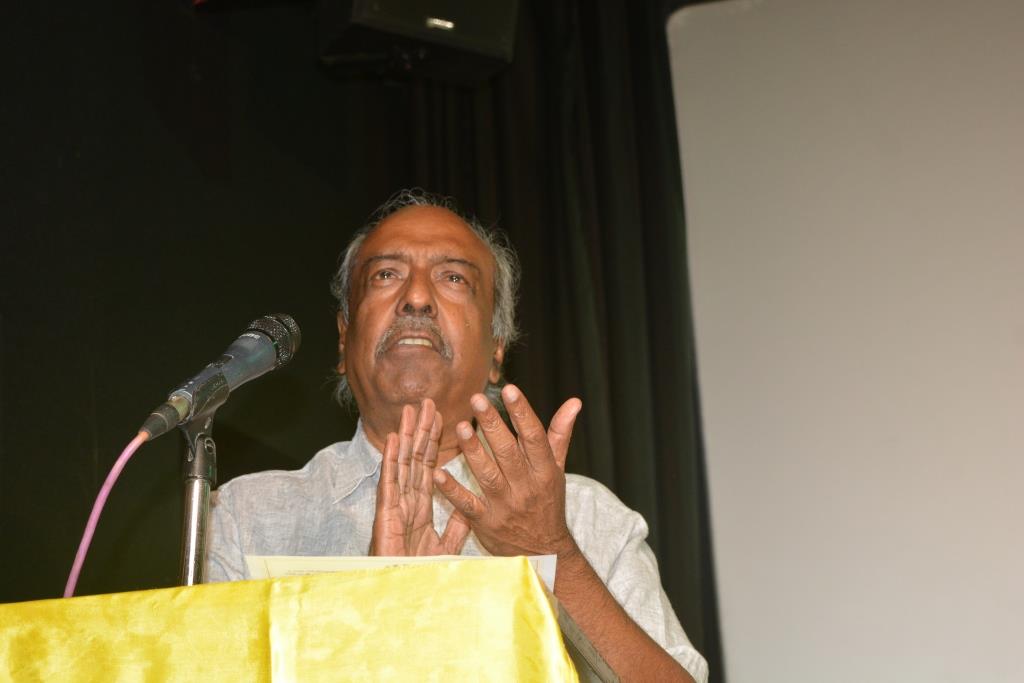
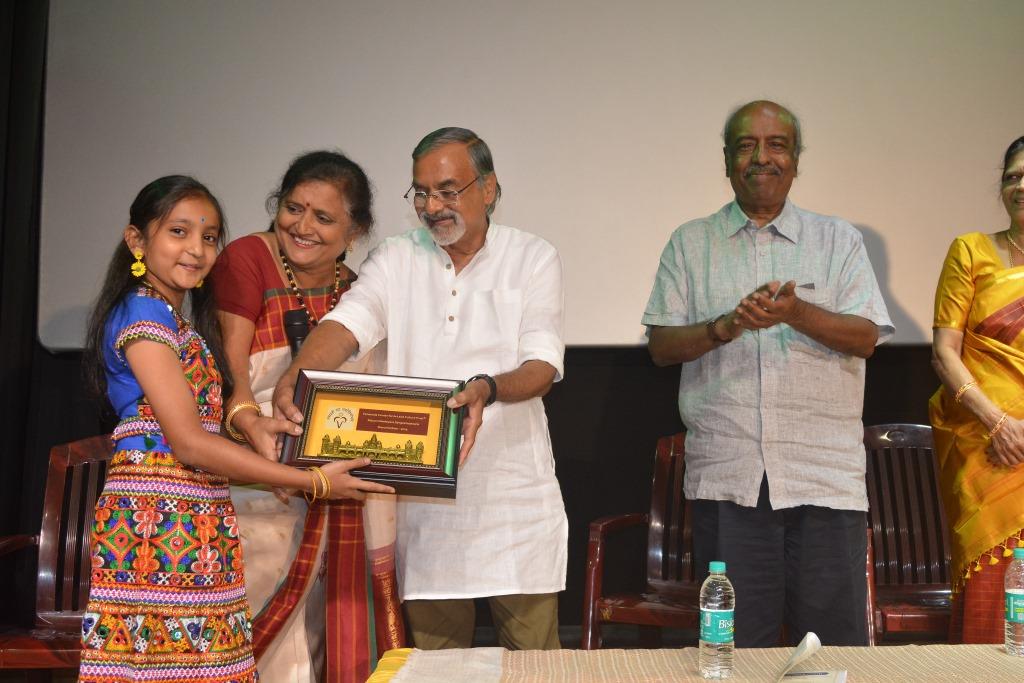
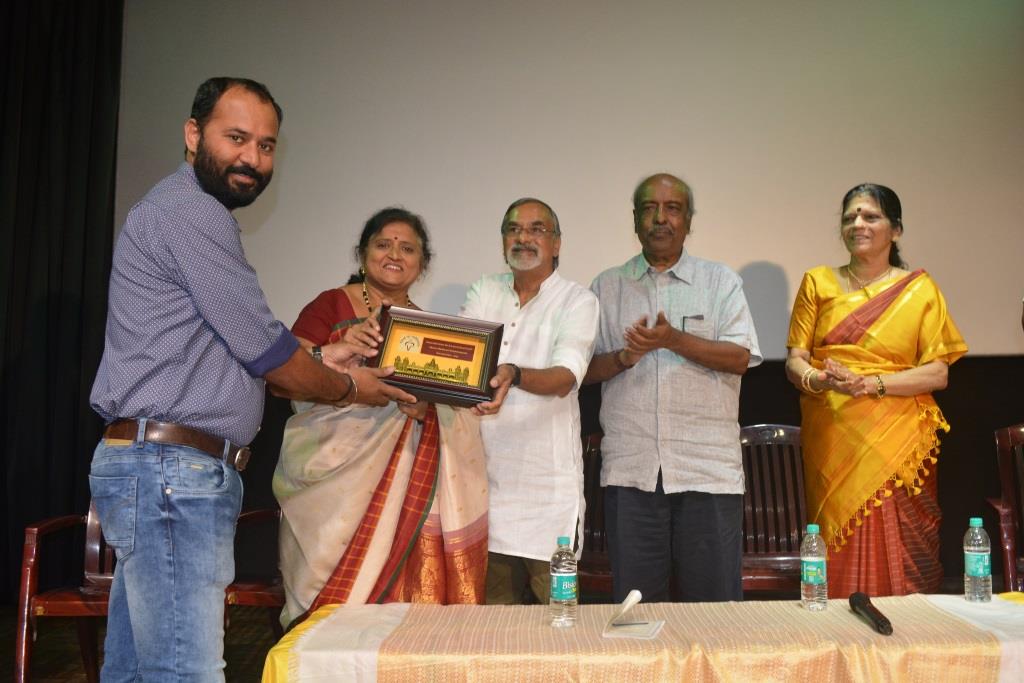
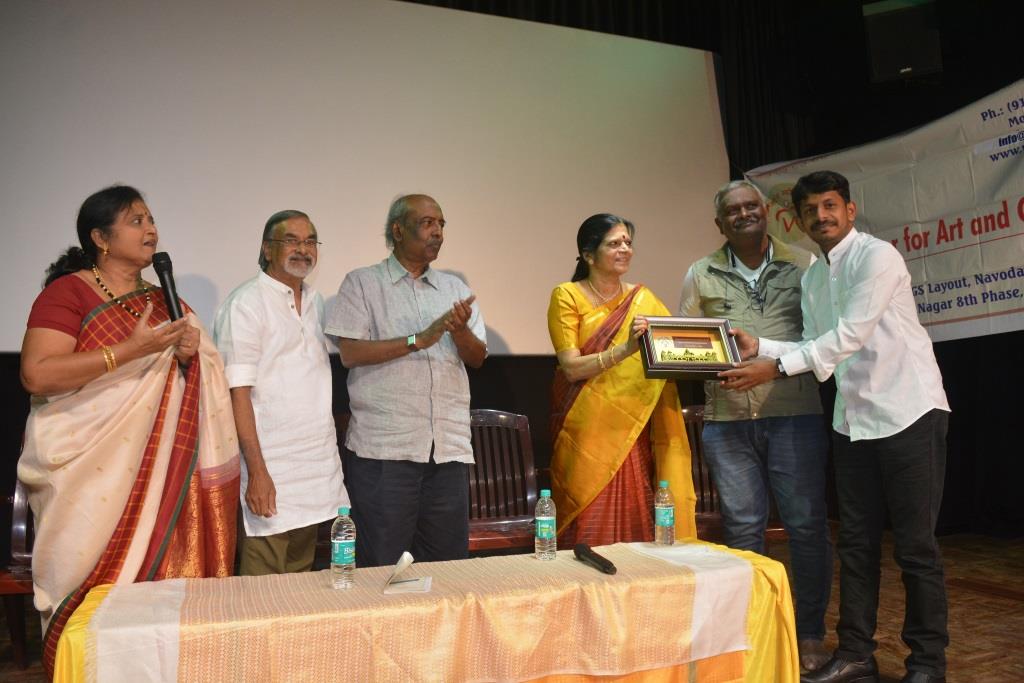
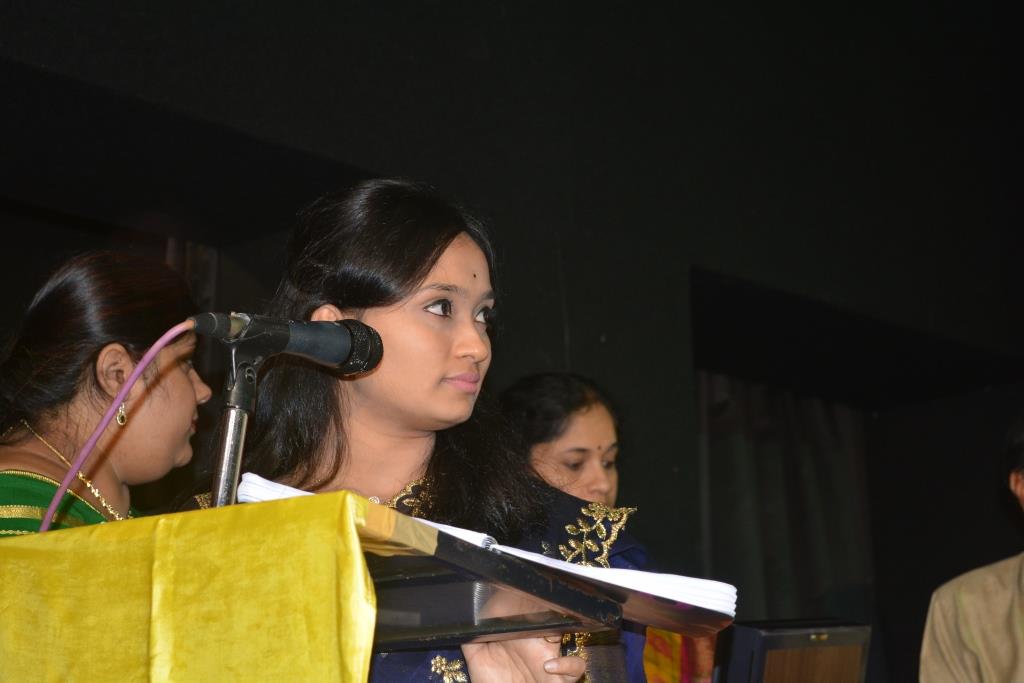
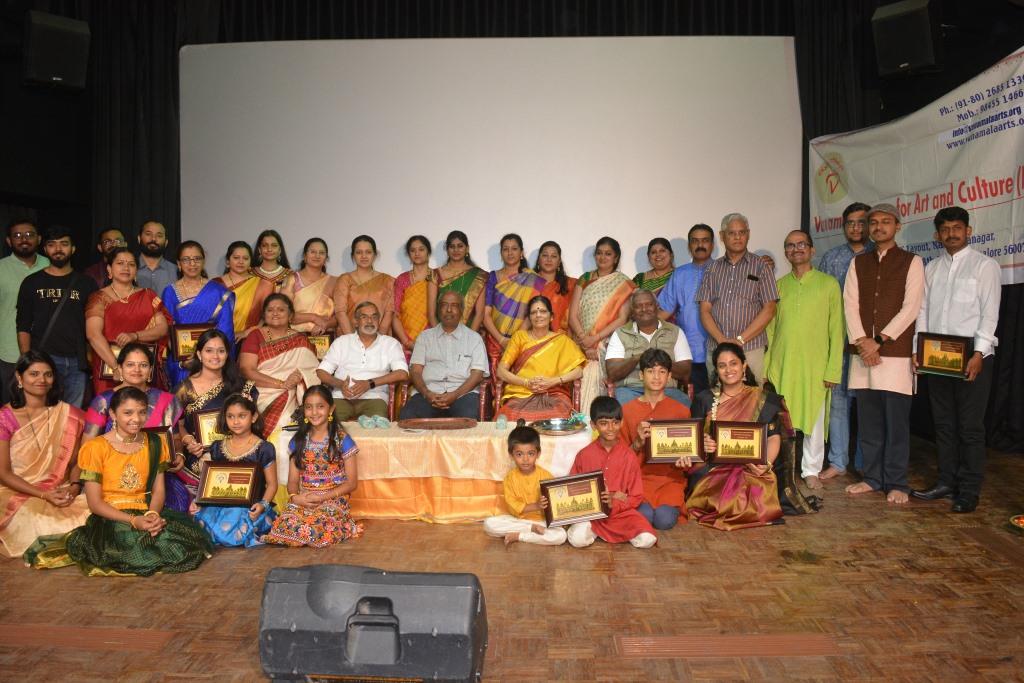
The Vanamala Centre for Art and Culture proudly hosted the second fragment of the enchanting Mysurina Chinnari Sangeeta on Sunday, 29th September, at the prestigious Viveka Auditorium in Jayanagar, Bengaluru.
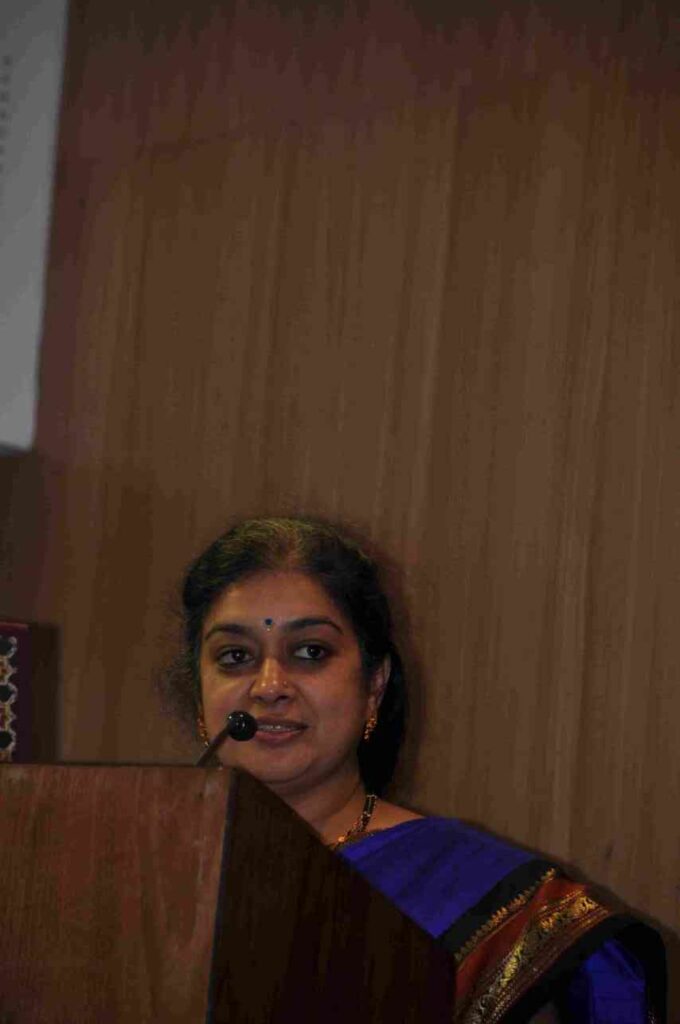
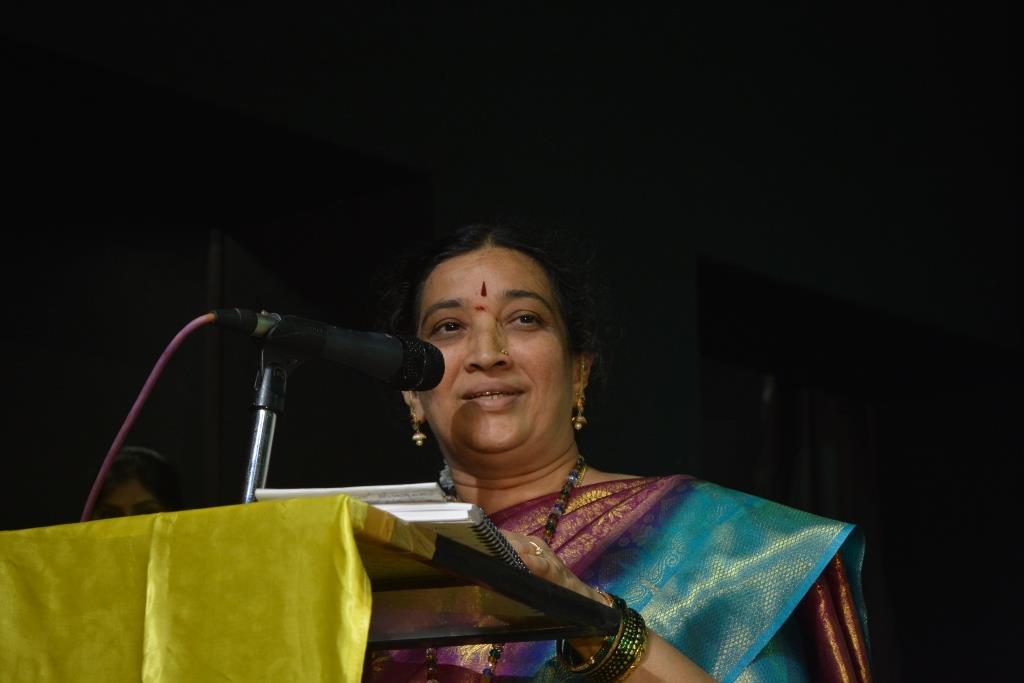
This vibrant event was the culmination of a delightful three-month workshop led by accomplished Dr. Meera Rajaram Pranesh, Managing Trustee-VCAC and assisted by her student Dr Shivashankari Karthikeyan who effectively taught the kids all the compositions and helped them to be stage ready in this time frame.
The workshop focused on teaching young children charming traditional songs composed by
musicians from the royal court of Mysuru, under the patronage of the illustrious Mysuru
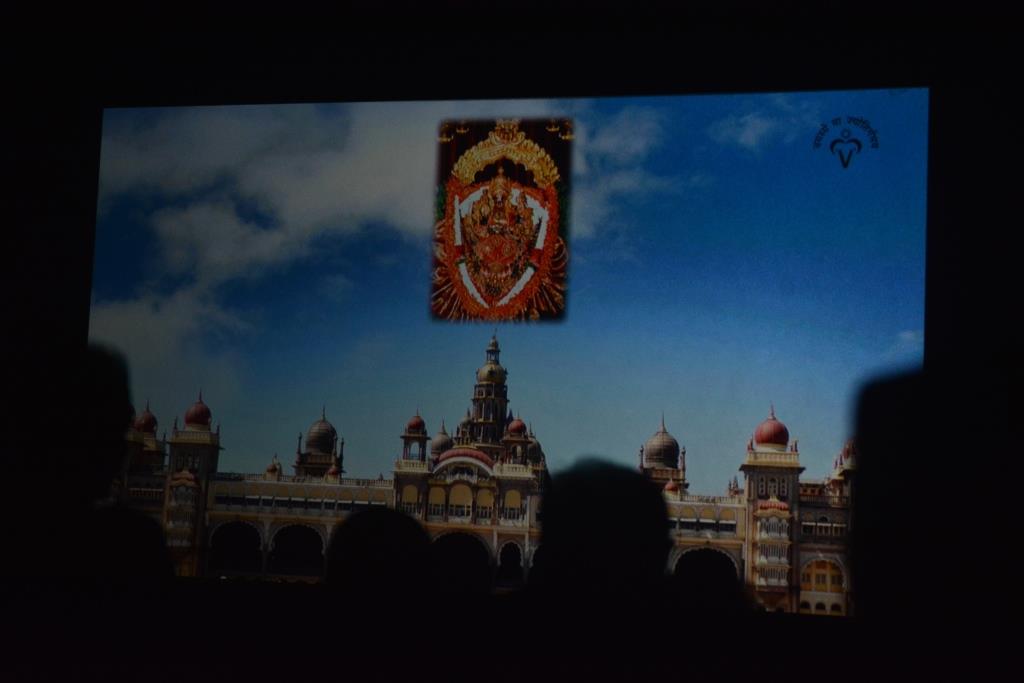
Wodeyar kings. It also sought to pass on the rich history and stories of the Mysore kingdom,
nurturing these talented youngsters while furthering the core mission of the Vanamala Centre: to preserve and promote Indian art and culture.
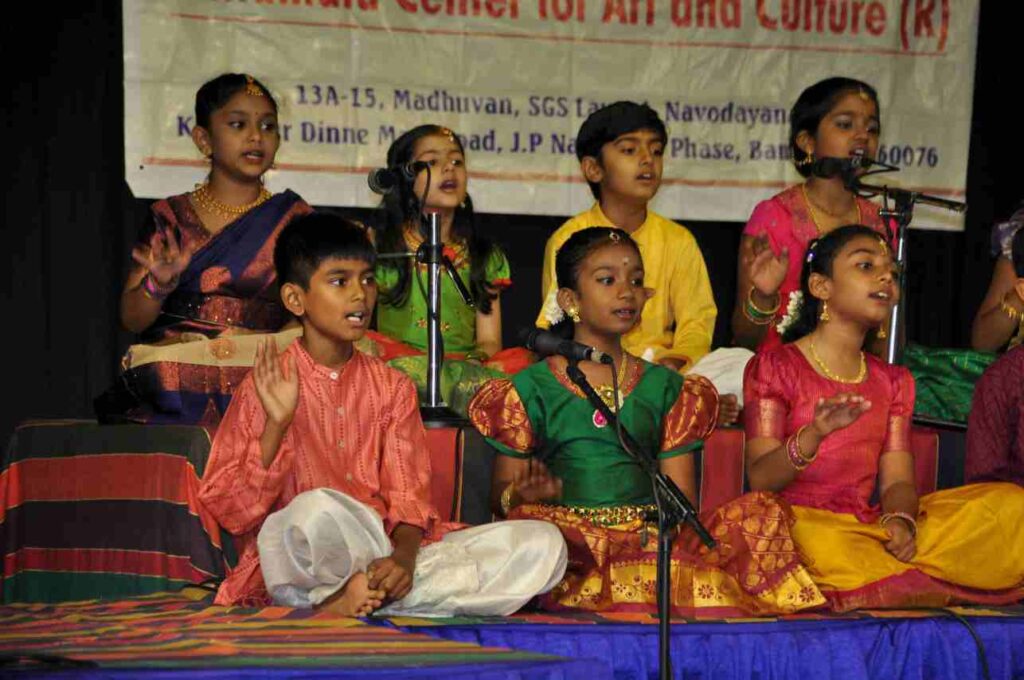
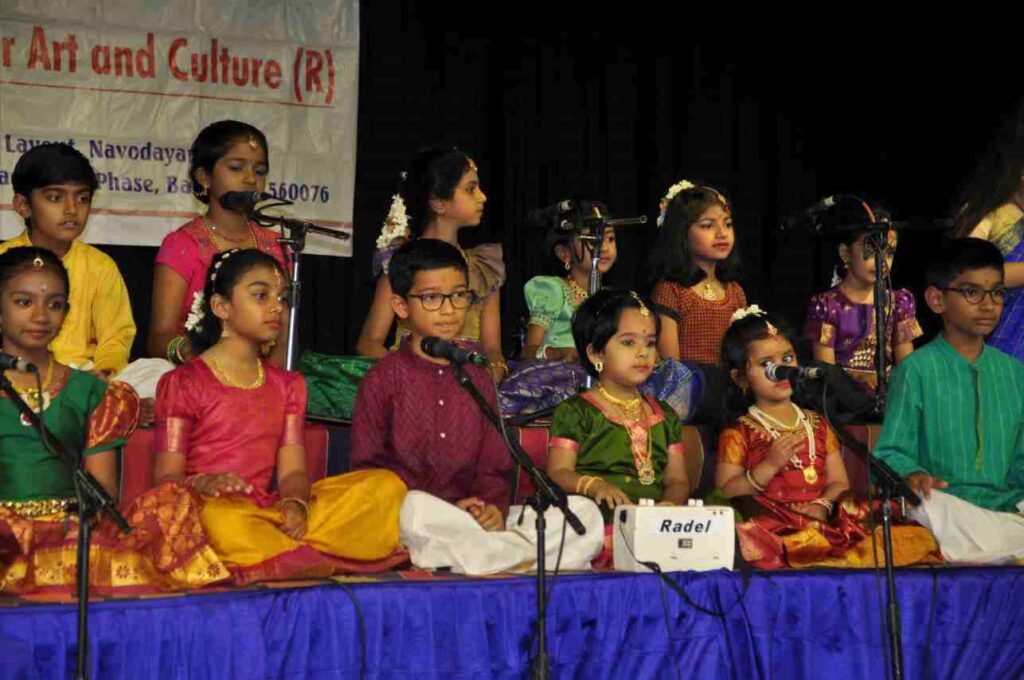
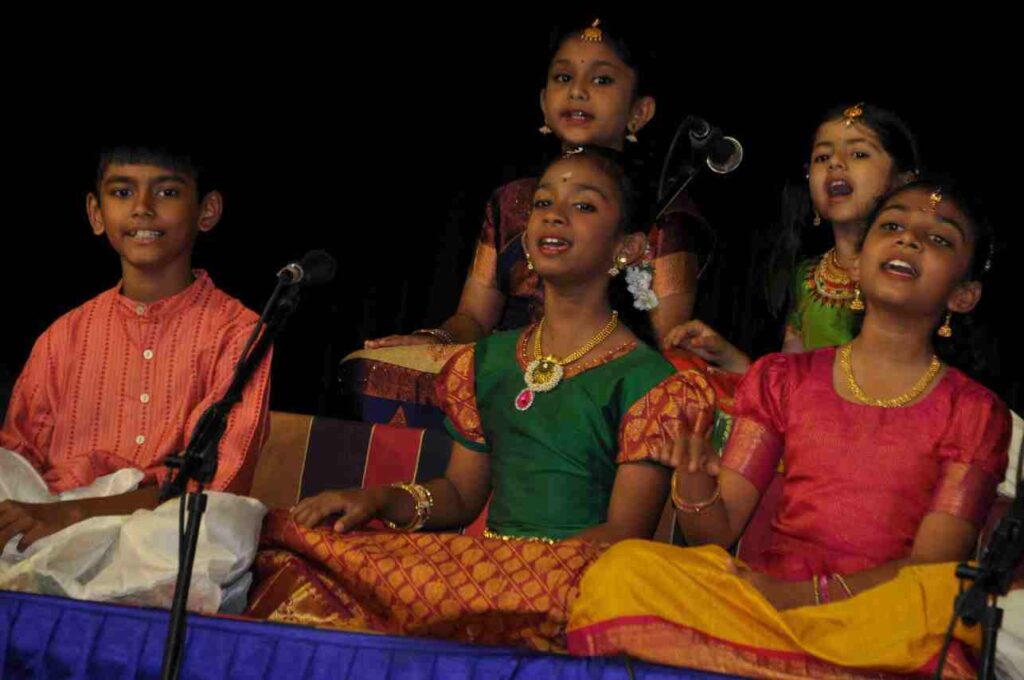
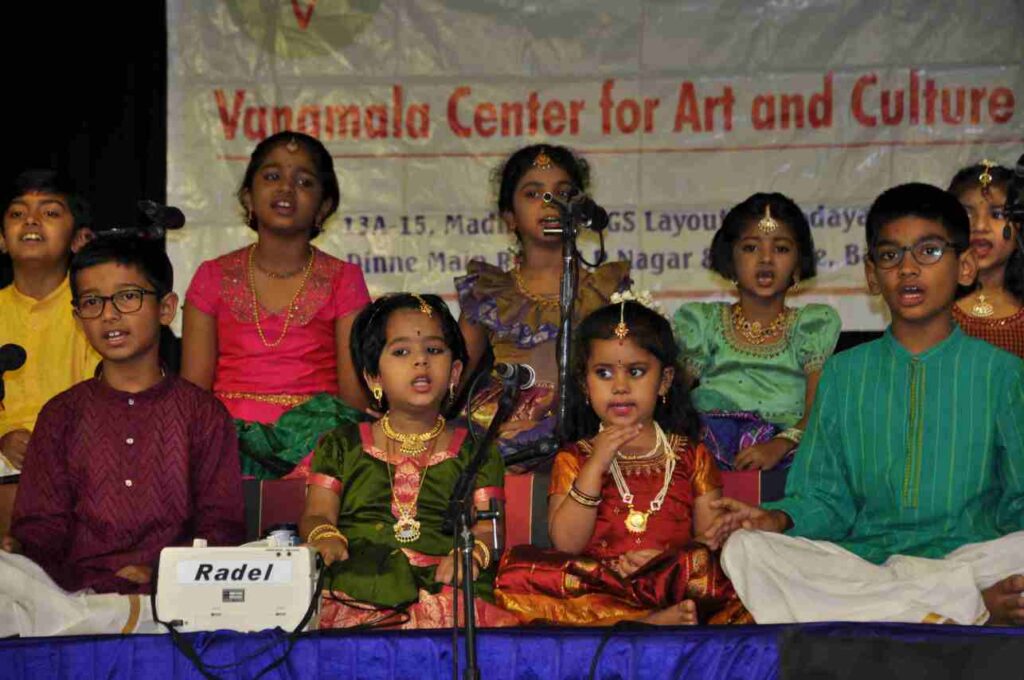
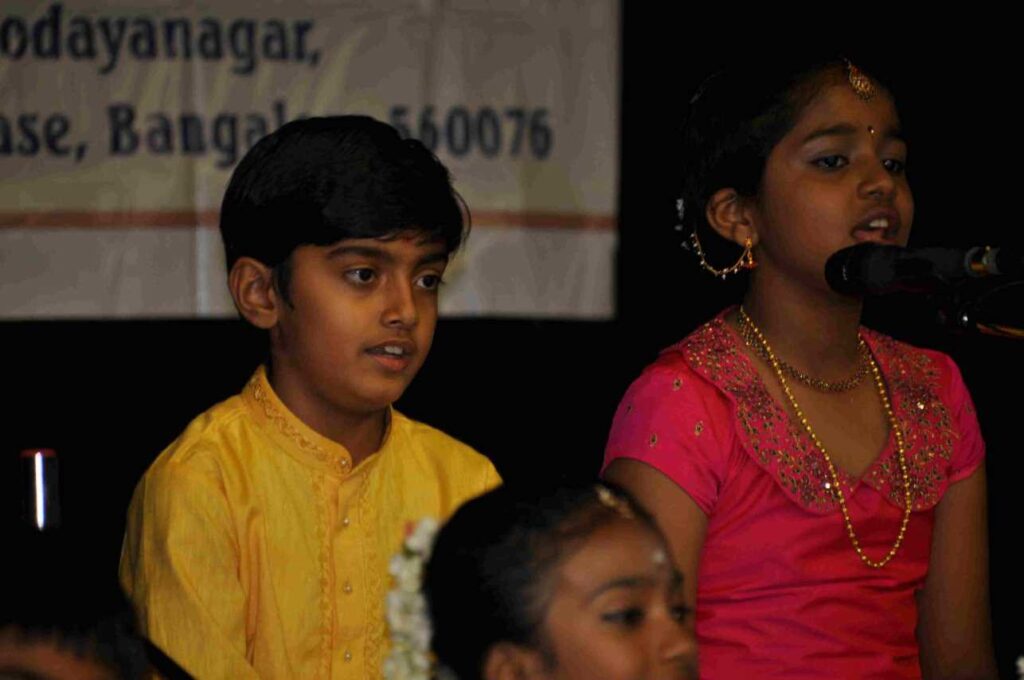
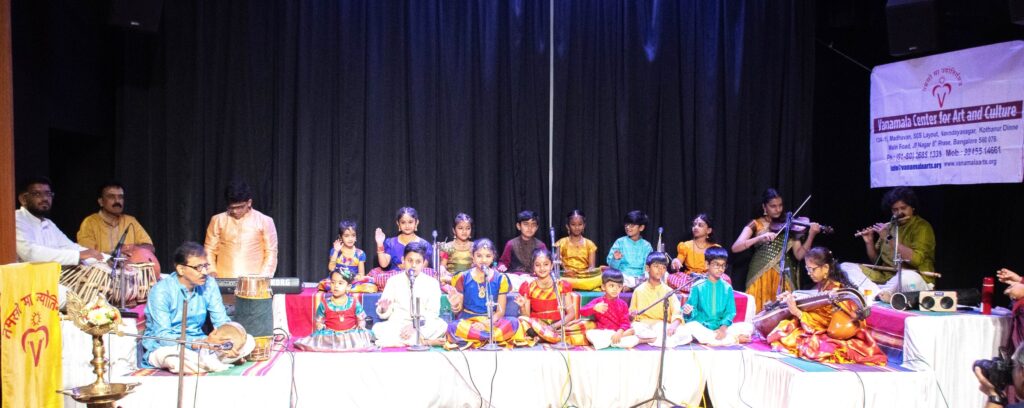
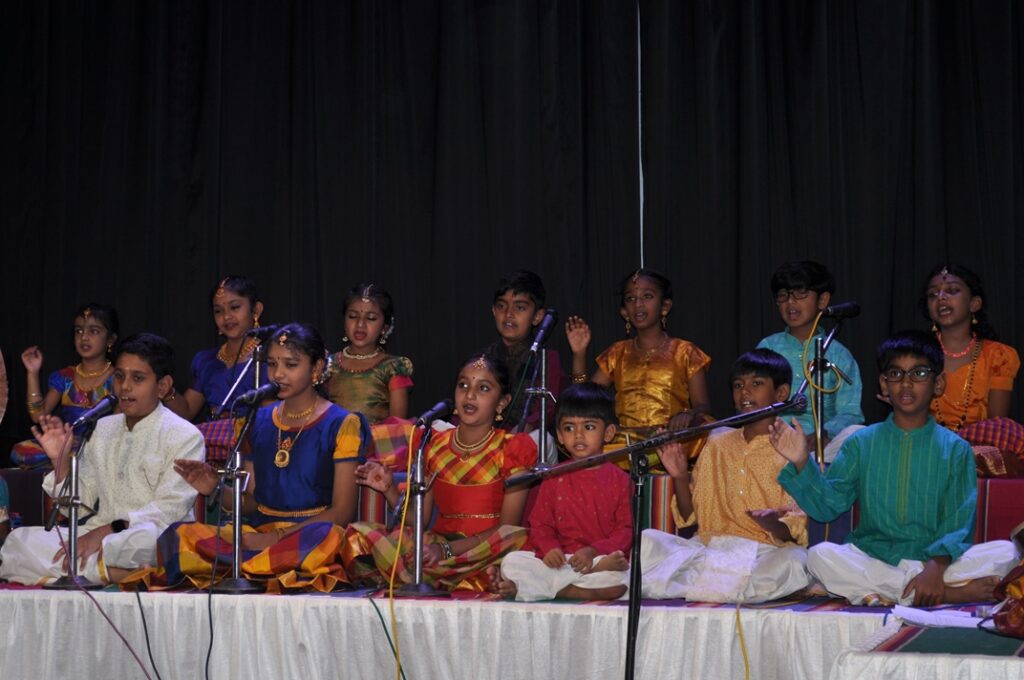
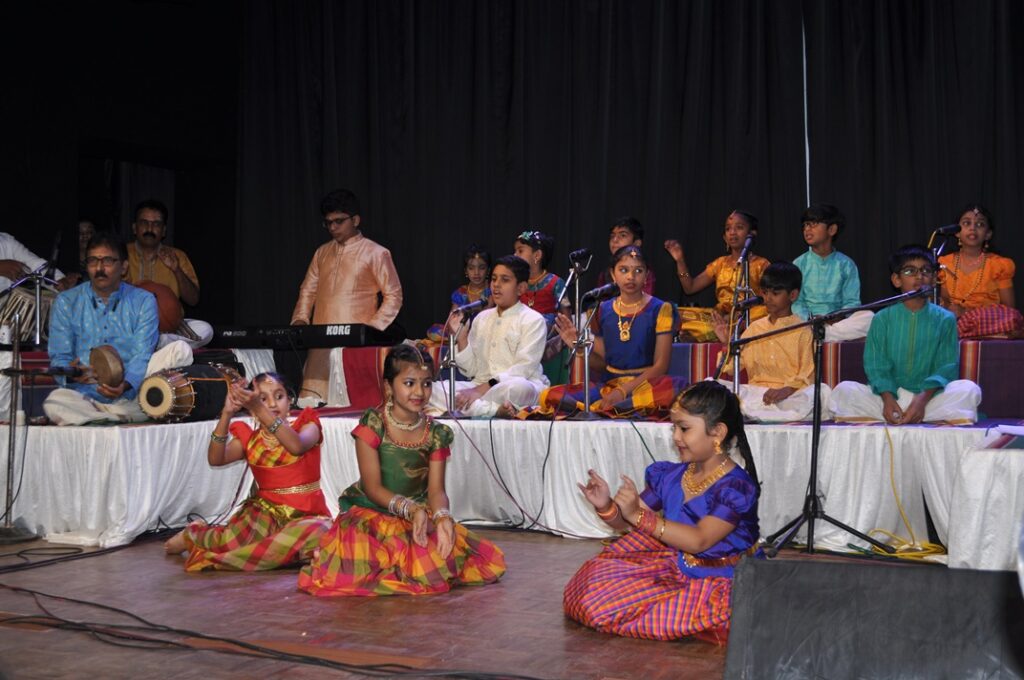
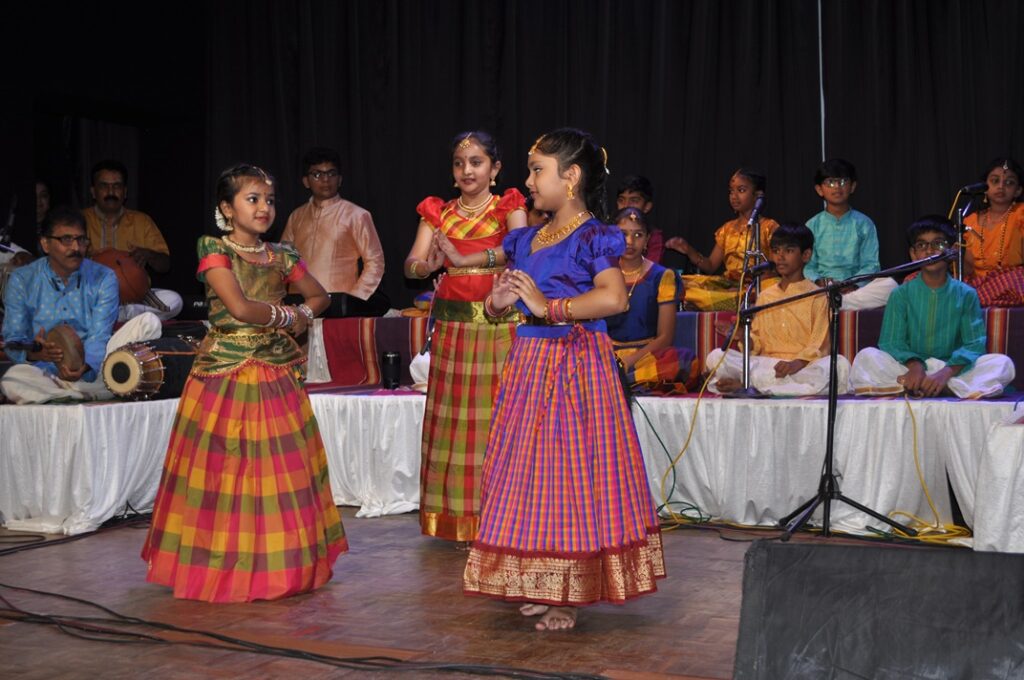
The beautiful Sunday saw the children adorned in vibrant attire, eagerly prepared for their
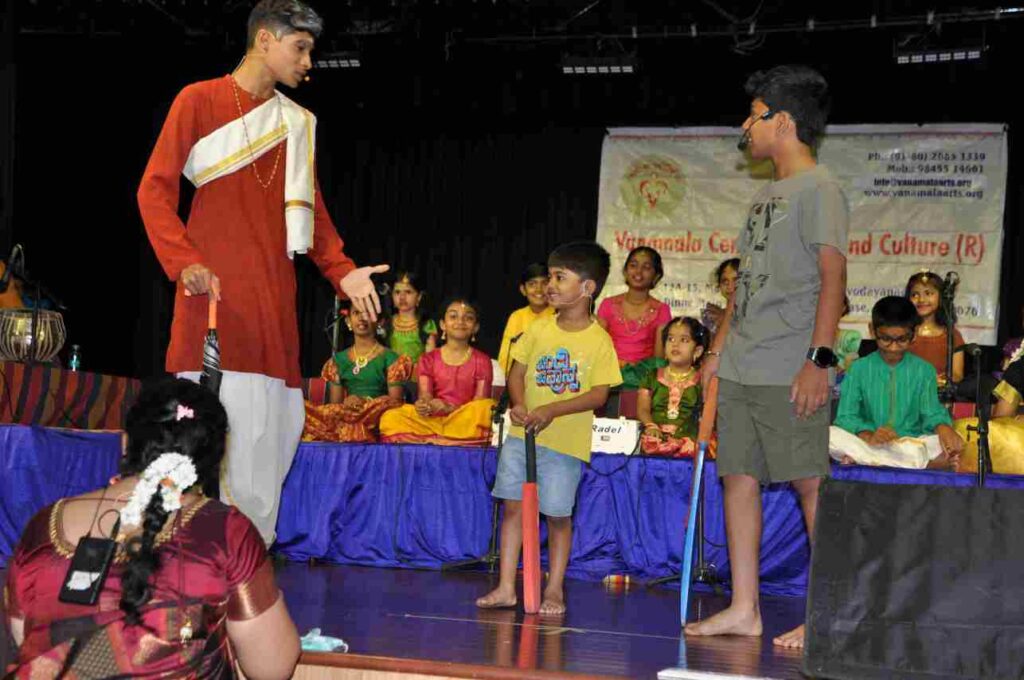
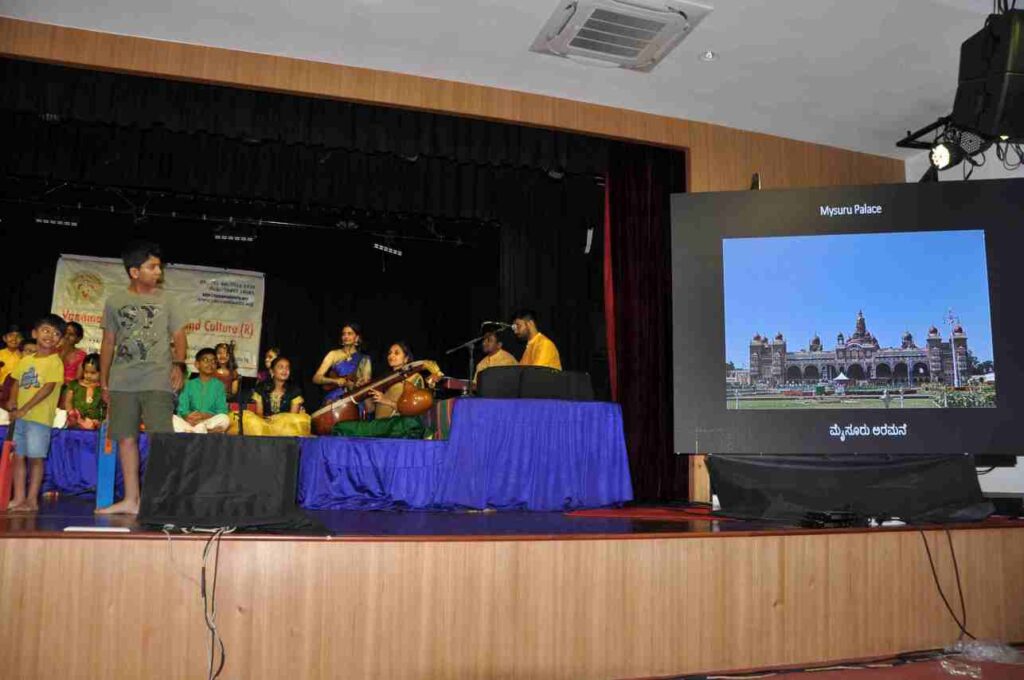
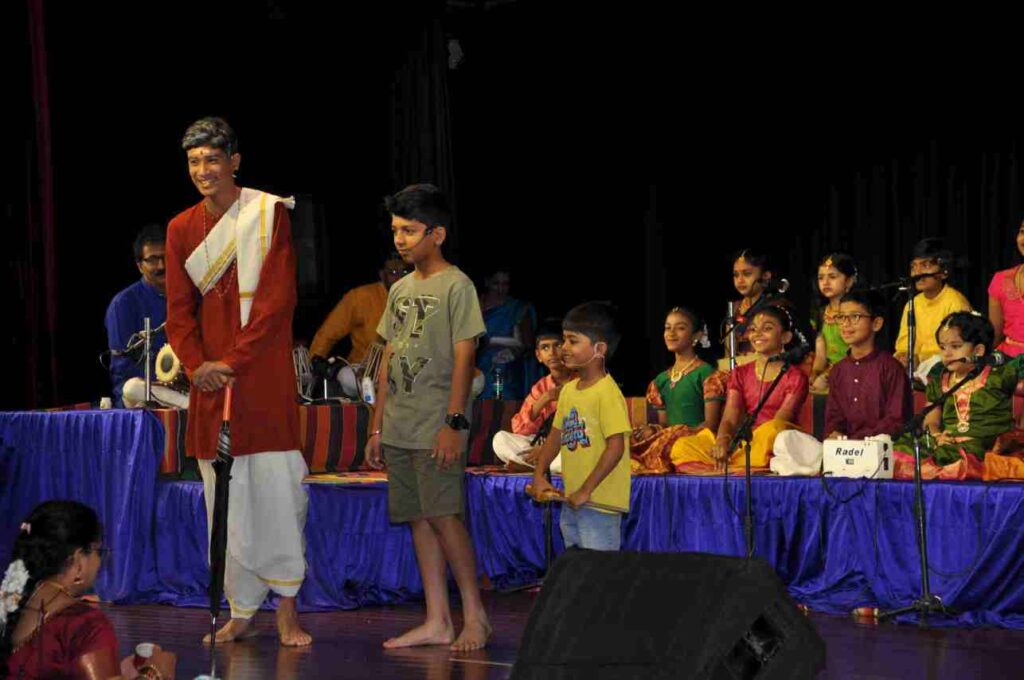
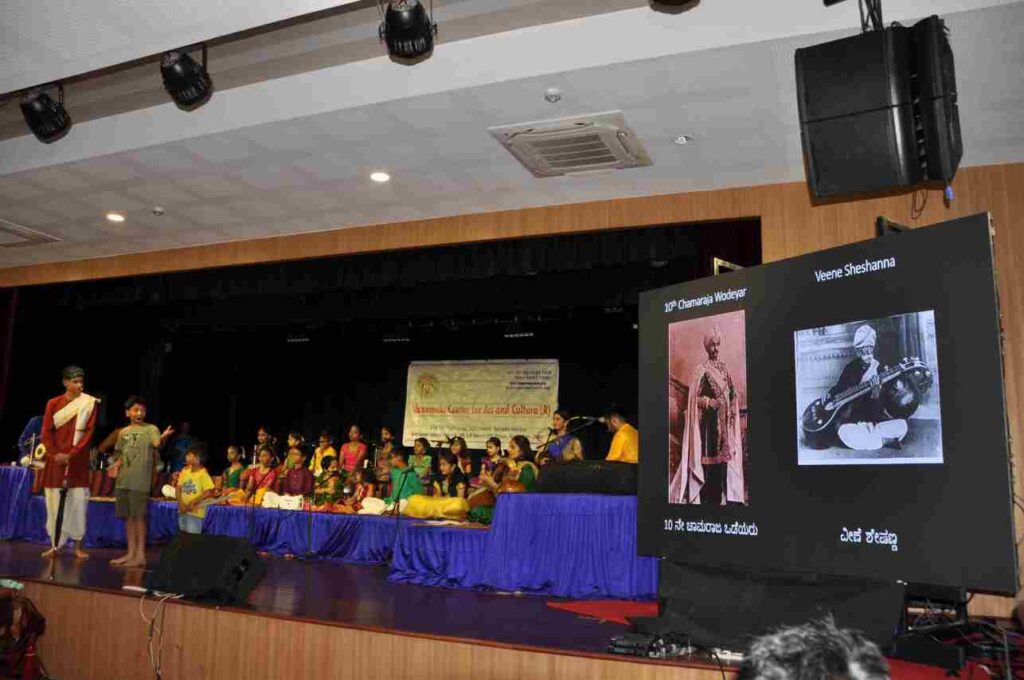
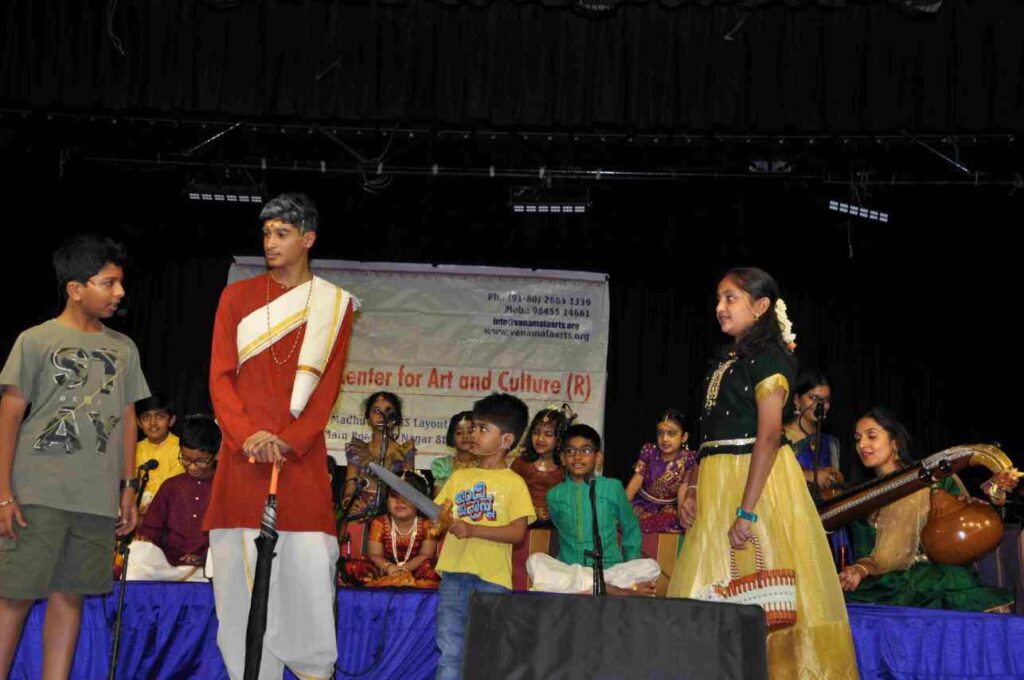
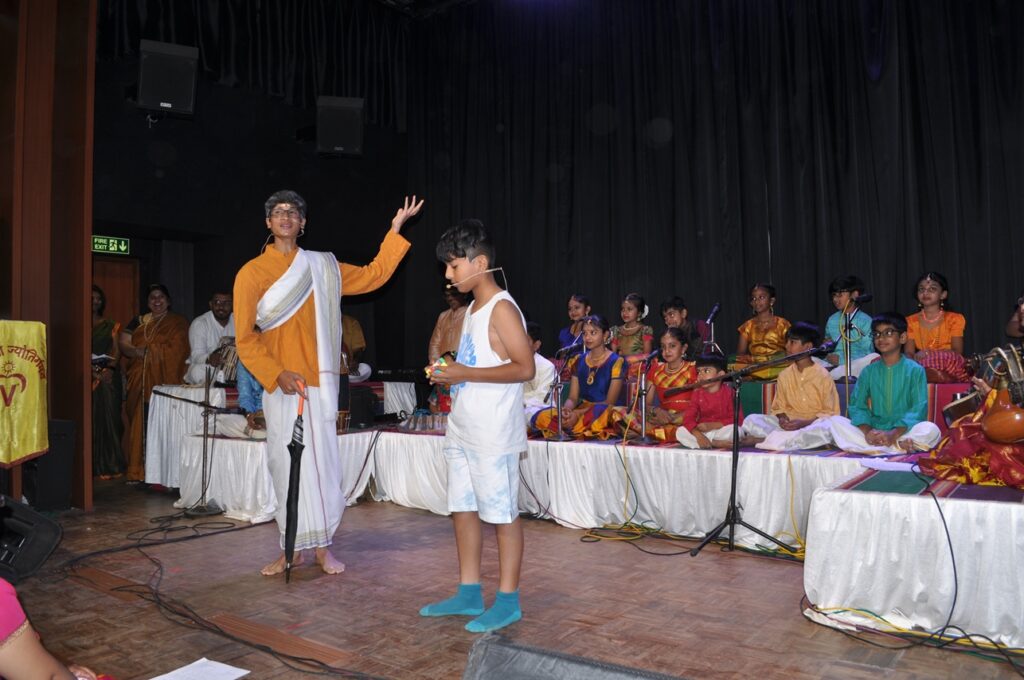
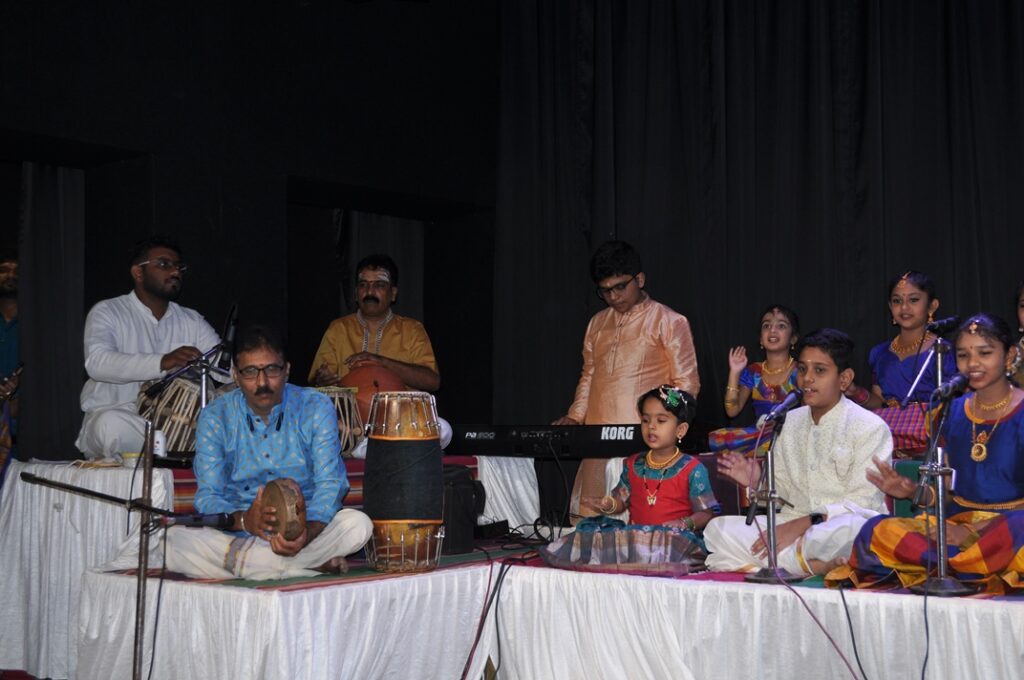
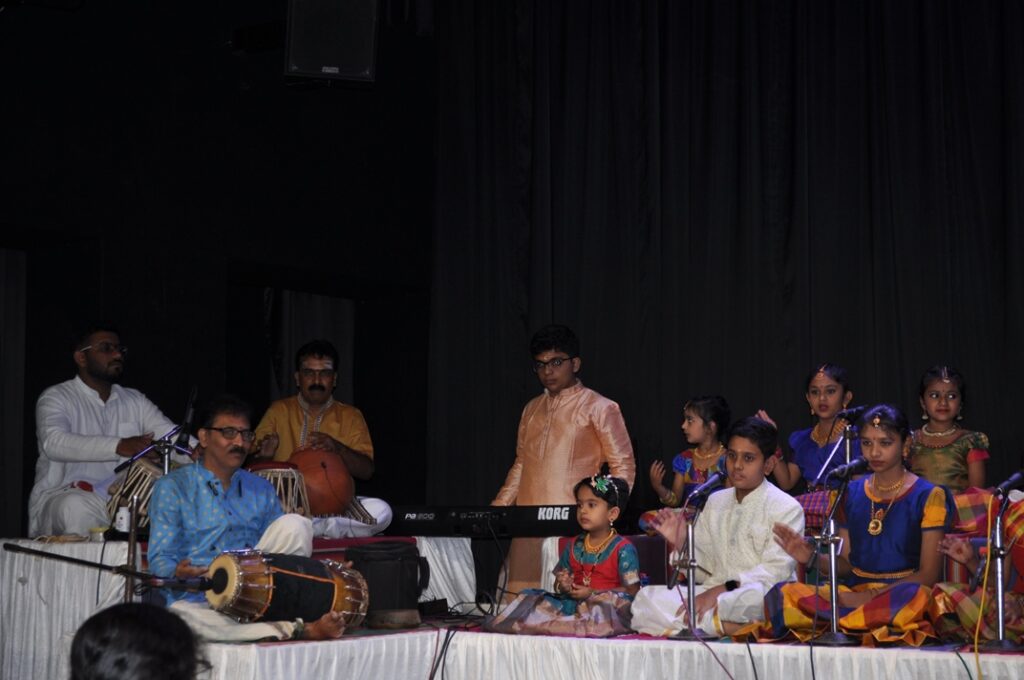
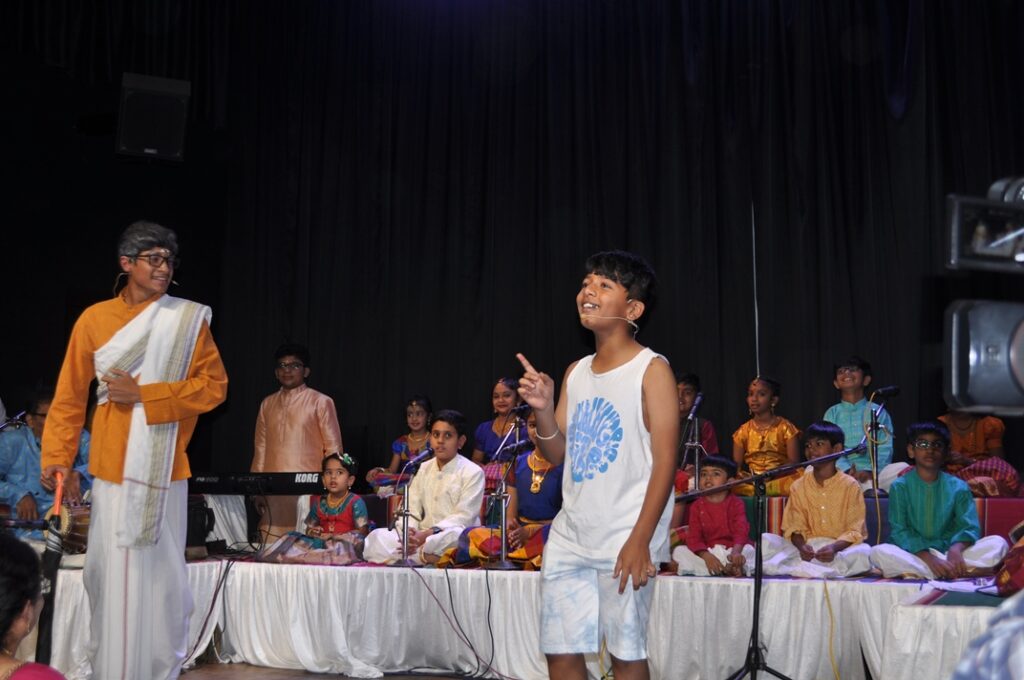
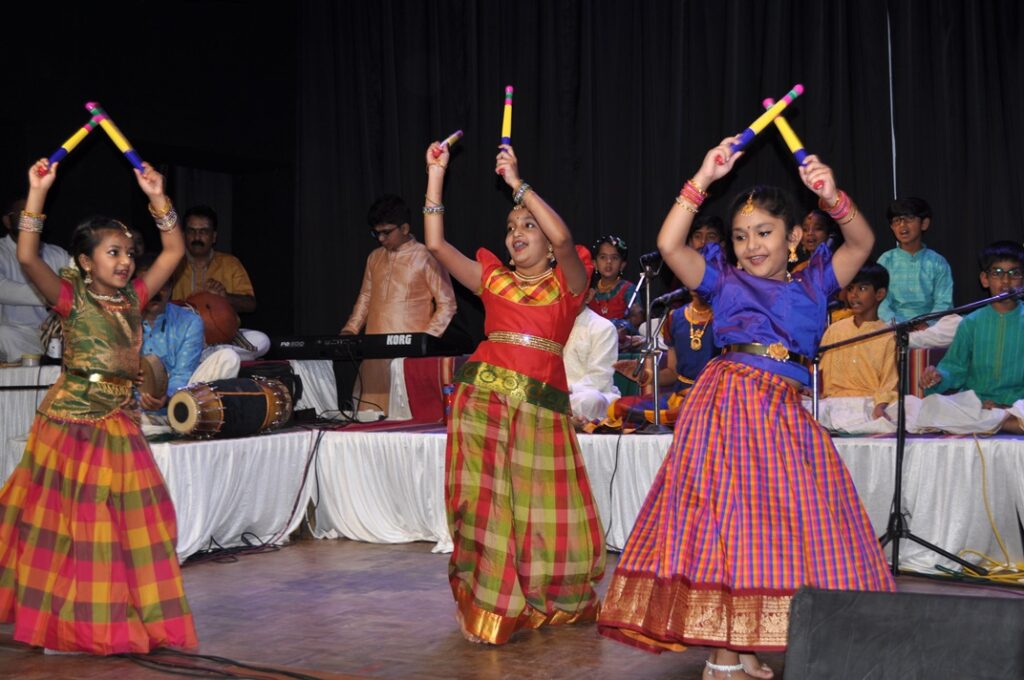
performance. They presented these beautiful compositions melodiously and were accompanied by renowned instrumentalists, all under the expert musical direction of Karnataka Kalashree Sri ASN Swamy, a senior Mridangam exponent. Adding to the musical feast was a delightful dramatic performance by a talented group of children, who mesmerized the audience with enchanting stories of Mysuru’s royal heritage and its cultural magnificence.
The event also captured the experiences of the workshop from the perspective of kids and parents part of the event.
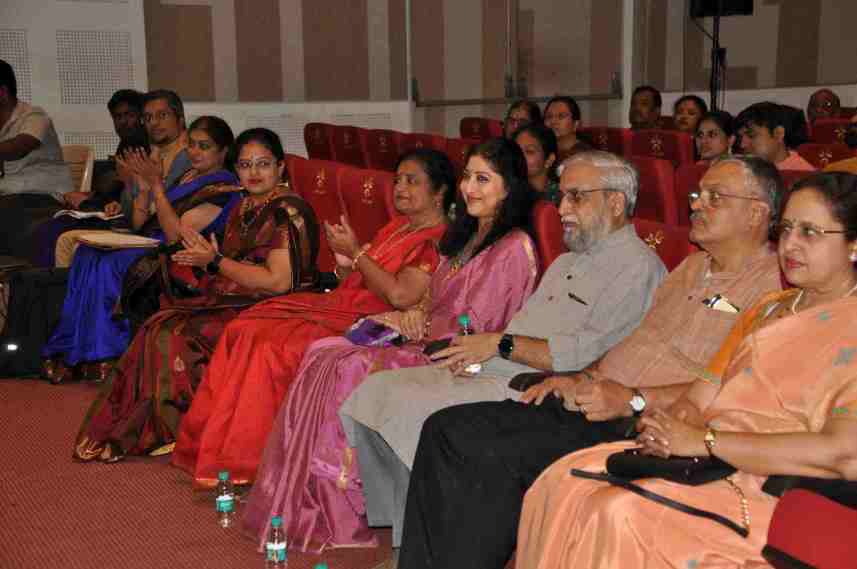
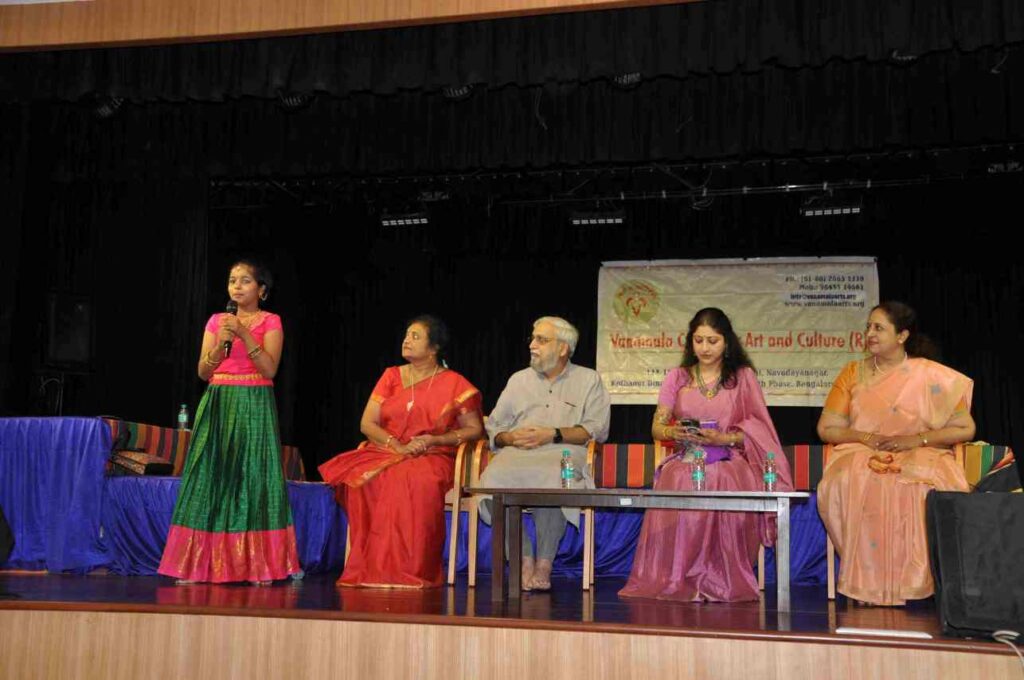
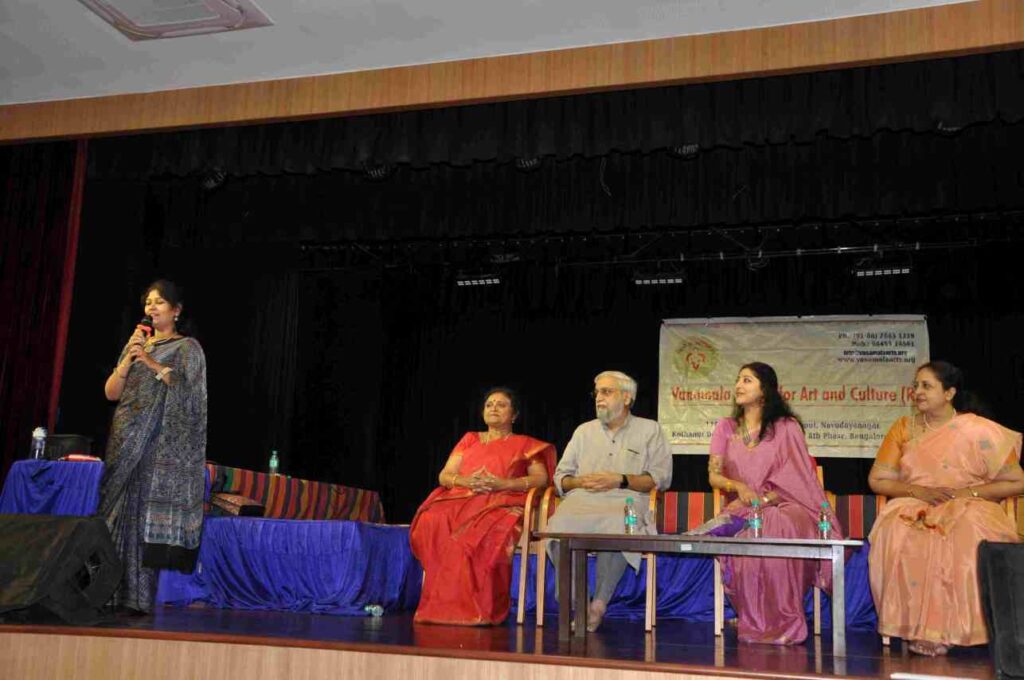
Gracing the event were distinguished guests of honor, including the renowned Bharatanatyam
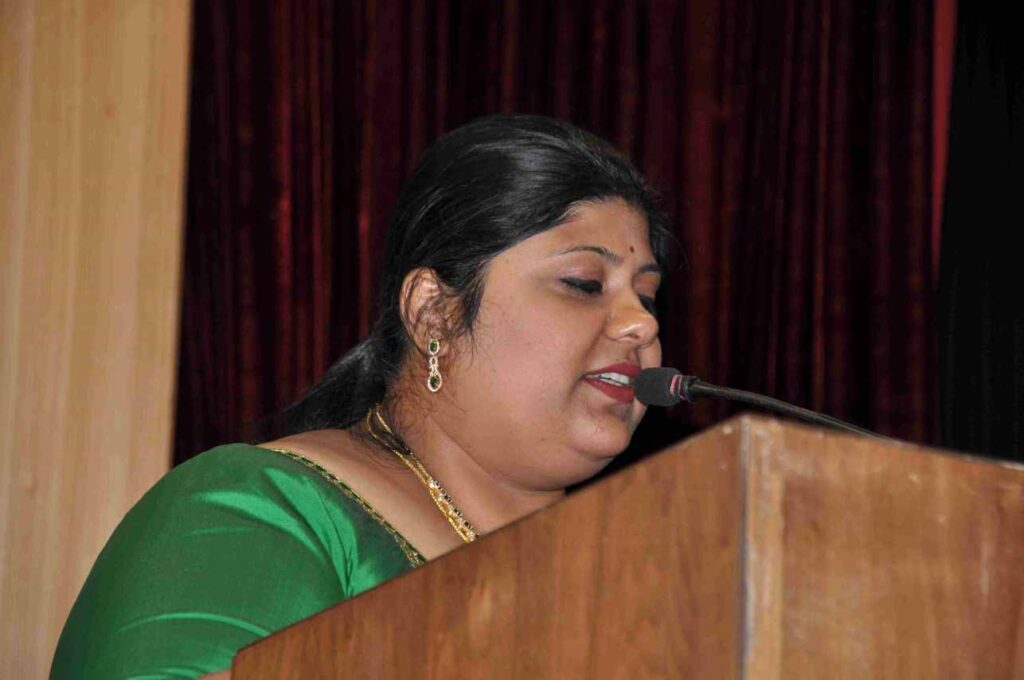
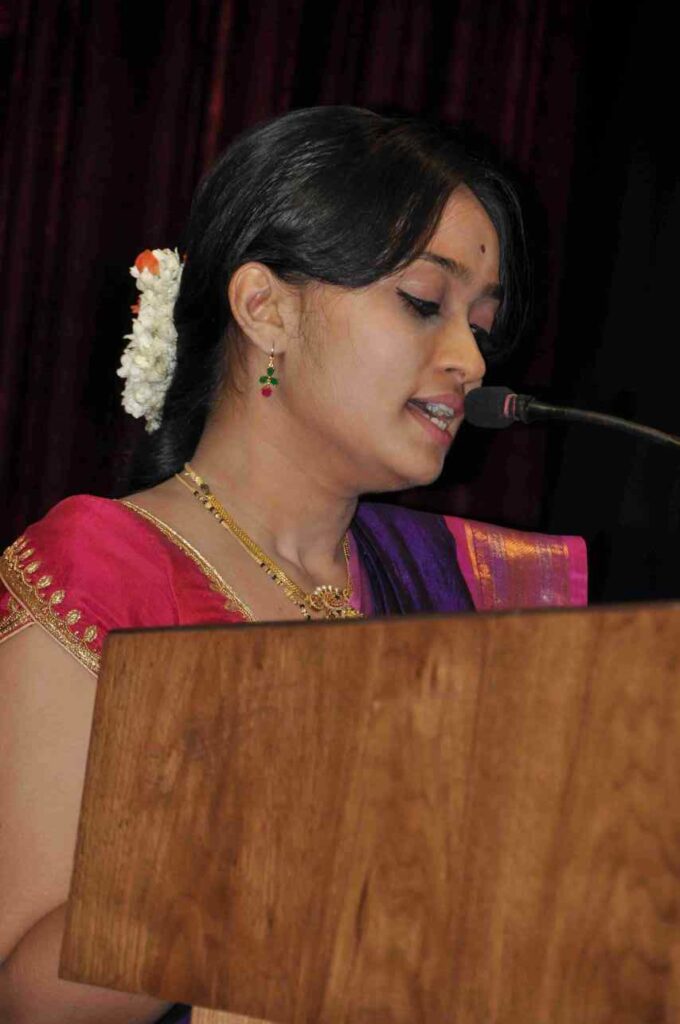
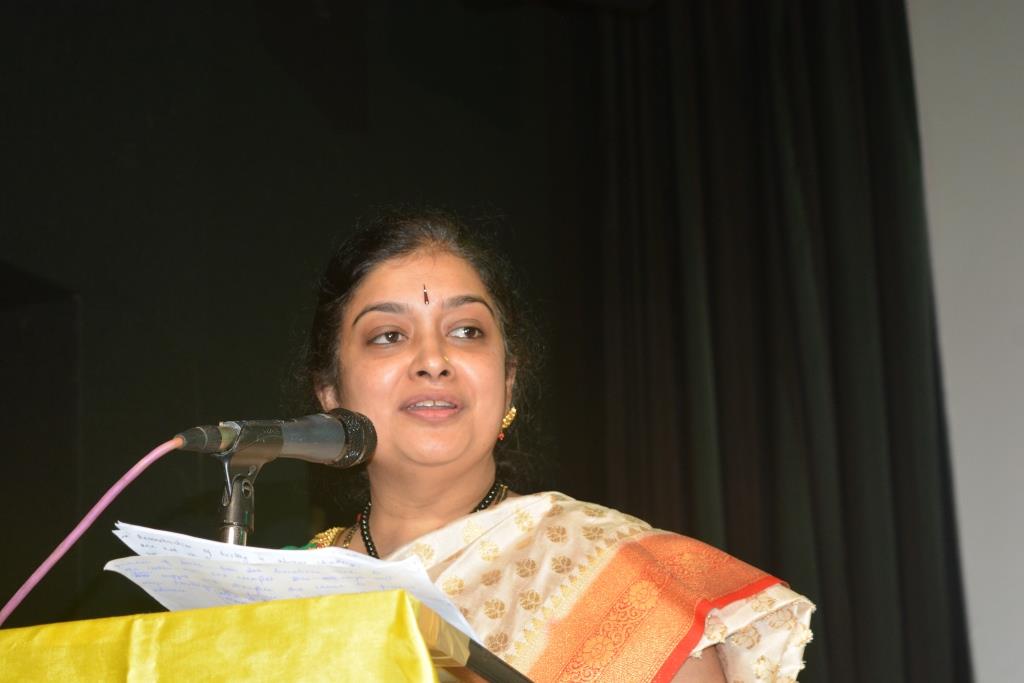
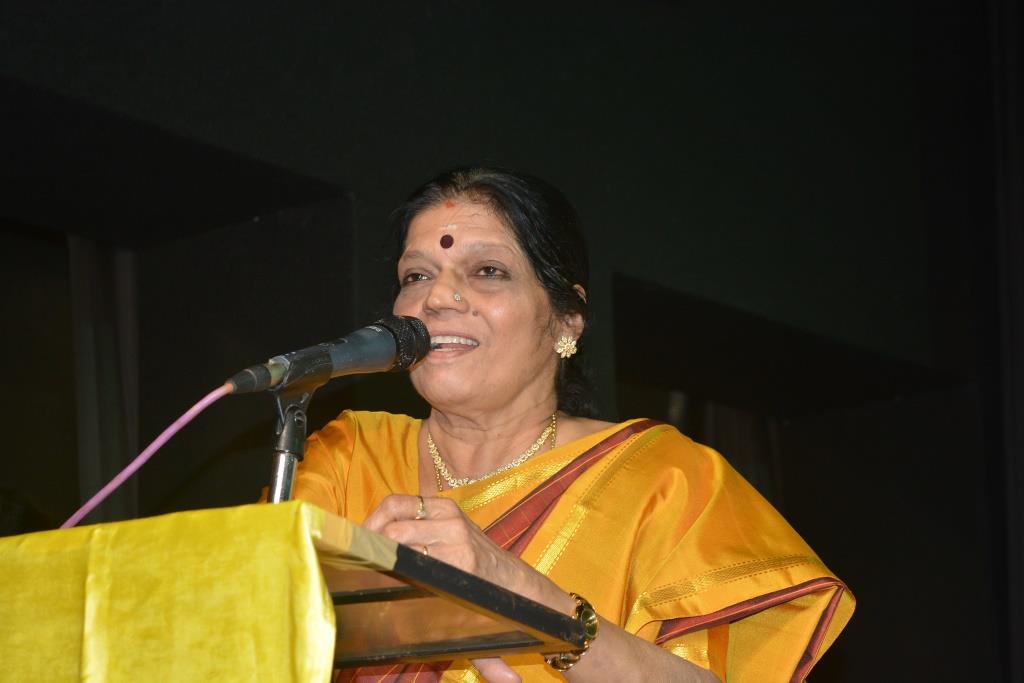
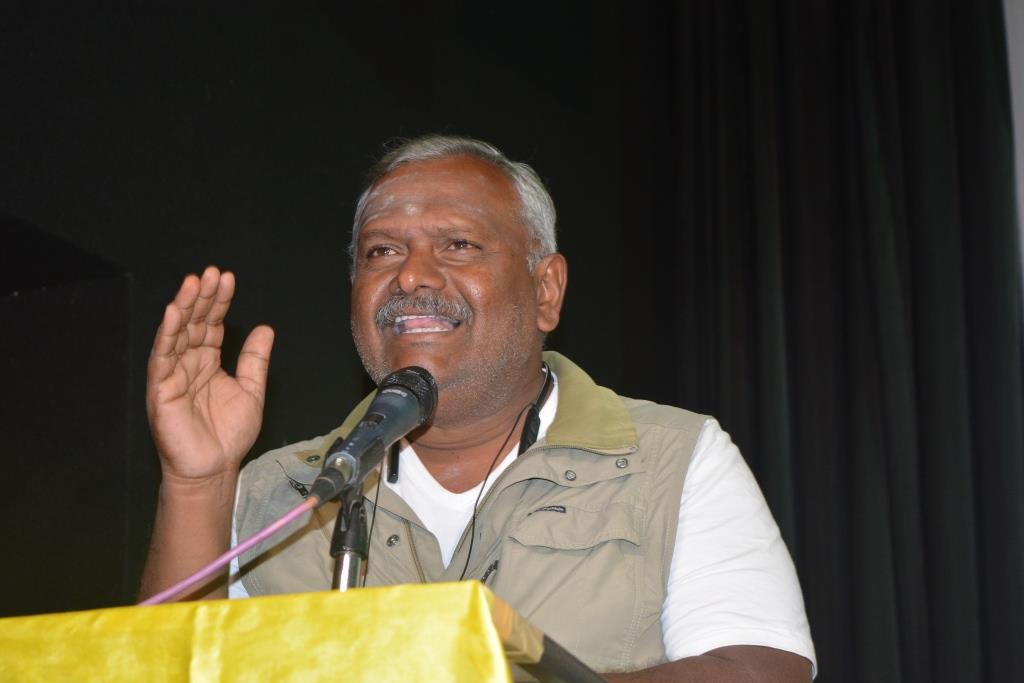
artist and film actress Ms. Lakshmi Gopalaswamy, Dr. R.V. Raghavendra, Managing Trustee of Ananya, and Dr. Sumathi Ravindranath, Founder and Director of Discover Montessori.
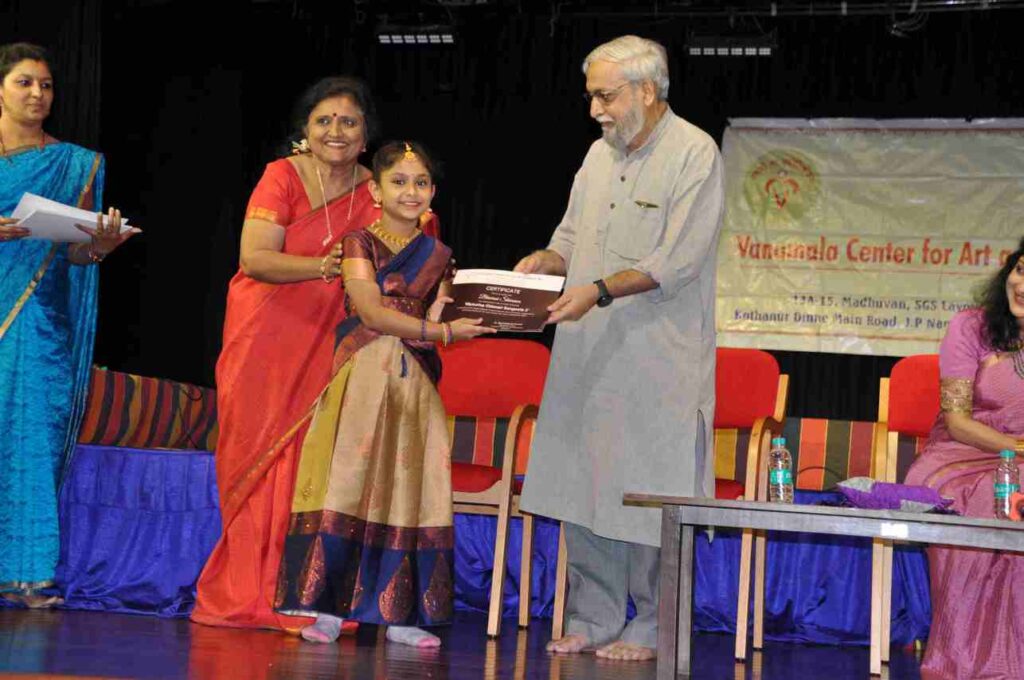
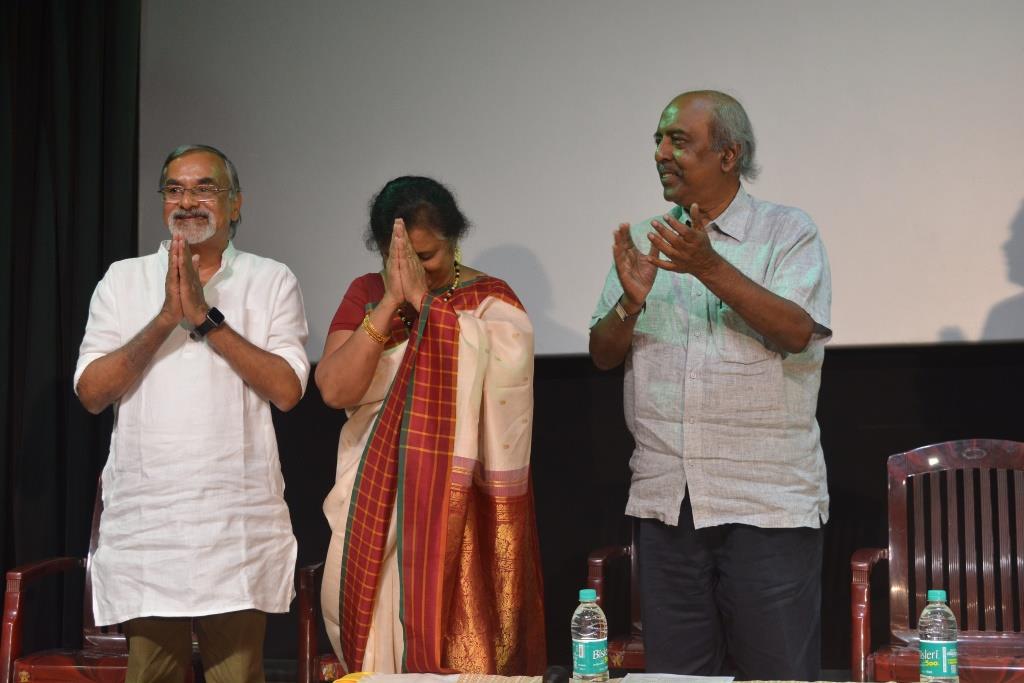
They all shared valuable insights on the event’s positive impact on the holistic development of the children, encouraging the young performers with heartfelt words. The entire event was managed well by team-Vanamala. The celebration concluded with a well deserved lunch, leaving both the audience and participants with a memorable and unforgettable experience.

ಮೈಸೂರಿನ ಚಿನ್ನರಿ ಸಂಗೀತ
ಮೈಸೂರಿನ ಚಿನ್ನರಿ ಸಂಗೀತ
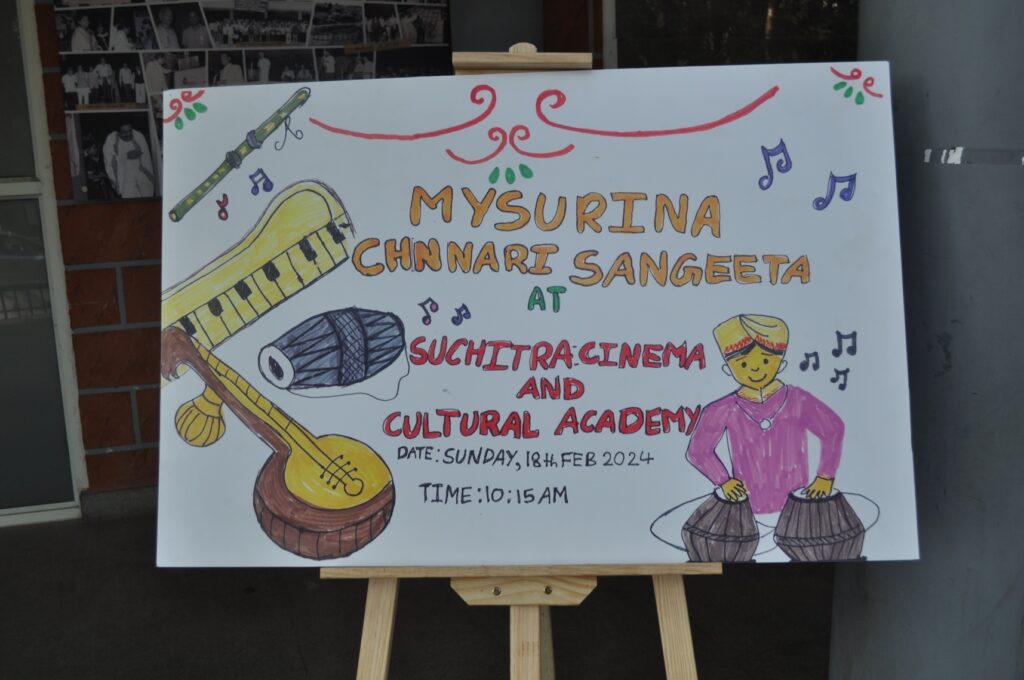
ವನಮಾಲ ಸೆಂಟರ್ ಫಾರ್ ಆರ್ಟ್ ಅಂಡ್ ಕಲ್ಚರ್ ಆಯೋಜಿಸಿದ್ದ ವನಮಾಲ ಮ್ಯೂಸಿಕ್ ಫೆಸ್ಟಿವಲ್ ಅಂಗವಾಗಿ 2024 ಫೆಬ್ರವರಿ 18 ರವಿವಾರದಂದು 'ಸುಚಿತ್ರ ಸಿನಿಮ ಆಂಡ್ ಕಲ್ಚರಲ್ ಅಕಾಡಮಿ' ಸಭಾಂಗಣದಲ್ಲಿ "ಮೈಸೂರಿನ ಚಿನ್ನರಿ ಸಂಗೀತ " ಎಂಬ ವಿಶೇಷವಾದ ಮಕ್ಕಳ ಕಾರ್ಯಕ್ರಮವನ್ನು ಹಮ್ಮಿಕೊಂಡಿತ್ತು. ಇದನ್ನು ಖ್ಯಾತ ಸಂಗೀತಗಾರರು, ಸಂಗೀತಜ್ಞರು ಹಾಗೂ ಮೈಸೂರು ಒಡೆಯರ ಸಂಗೀತ ಪೋಷಣೆಯ ಬಗ್ಗೆ ಬಹಳಷ್ಟು ಅಧ್ಯಯನ ನಡೆಸಿರುವ ವನಮಾಲ ಸೆಂಟರ್ ಫ಼ಾರ್ ಆರ್ಟ್ ಅಂಡ್ ಕಲ್ಚರ್ ಸಂಸ್ಥೆಯ ಮ್ಯಾನೇಜಿಂಗ್ ಟ್ರಸ್ಟೀ ಡಾ ಮೀರಾ ರಾಜಾರಾಮ್ ಪ್ರಾಣೇಶ್ ರವರು ಪರಿಕಲ್ಪಿಸಿ, ನಿರ್ದೇಶಿಸಿದರು.
ಮಕ್ಕಳು ಮೈಸೂರಿನ ನಾಡಗೀತೆ ಕಾಯೌ ಶ್ರೀ ಗೌರಿ ಯನ್ನು ಹಾಡಿ ಕಾರ್ಯಕ್ರಮಕ್ಕೆ ಚಾಲನೆ ನೀಡಿದರು. ನಂತರ ಮೂಡಿಬಂದ ಮುಖ್ಯ ಕಾರ್ಯಕ್ರಮ ಮೈಸೂರಿನ ಚಿನ್ನರಿ ಸಂಗೀತ, ಪ್ರೇಕ್ಷಕರ ಮನ ಸೆಳೆಯಿತು. ಮೈಸೂರಿನ ರಾಜರಾಗಿದ್ದ ನಾಲ್ವಡಿ ಕೃಷ್ಣರಾಜ ಒಡೆಯರು ತಮ್ಮ ಆಸ್ಥಾನ ವಿದ್ವಾಂಸರಿಂದ ಮಕ್ಕಳಿಗಾಗಿ ರಚಿಸಿಸಿದ್ದ 8 ಹಾಡುಗಳನ್ನು ಸುಶ್ರಾವ್ಯವಾಗಿ ಹಾಡಿದರು. ಗಣಪತಿ, ಕೃಷ್ಣ ಮುಂತಾದ ದೇವರುಗಳ ಮೇಲಿನ ಹಾಡುಗಳಲ್ಲದೆ ದೇಶ ಭಕ್ತಿಯ ಮೇಲಿನ ರಚನೆಯನ್ನೂ ಆಯ್ಕೆ ಮಾಡಲಾಗಿತ್ತು. ಇದರೊಂದಿಗೆ ನಶಿಸಿ ಹೋಗಿತ್ತಿರುವ ಕೋಲಾಟ ಹಾಗೂ ಸುವ್ವಿ ಹಾಡುಗಳಿಗೆ ಮಕ್ಕಳ ನೃತ್ಯ ಸೊಗಸಾಗಿ ಮೂಡಿಬಂದಿತು. ಈ ಹಾಡುಗಳನ್ನೆಲ್ಲ ಡಾ ಮೀರಾ ರವರು 3 ತಿಂಗಳು ನಡೆಸಿದ ಕಮ್ಮಟದಲ್ಲಿ ಹೇಳಿಕೊಡಲಾಗಿತ್ತು. ಪ್ರತಿಯೊಂದು ಹಾಡಿಗೂ ಪೀಠಿಕೆಯಾಗಿ ಸೂತ್ರಧಾರರು ಮೈಸೂರು ಮಹಾರಾಜರುಗಳ ಕಥೆಗಳನ್ನು ಹೇಳುತ್ತಾ, ಆಯಾ ಹಾಡಿನ ಬಗ್ಗೆ ವಿವರಣೆ ನೀಡುತ್ತಿದ್ದರು. ಇದರೊಂದಿಗೆ ಹಾಸ್ಯ ಚಟಾಕಿಗಳನ್ನು ಹಾರಿಸುತ್ತಾ ಸೂತ್ರಧಾರರು ಪ್ರೇಕ್ಷಕರಿಗೆ ಮನರಂಜನೆಯ ಜೊತೆ ತಿಳುವಳಿಕೆಯನ್ನು ನೀಡುತ್ತಾ ಎಲ್ಲರ ಗಮನ ಸೆಳೆದರು. ಹಿರಿಯ ಸಂಗೀತ ವಿದ್ವಾಂಸರುಗಳು ಮಕ್ಕಳಿಗೆ ವಾದ್ಯ ಸಹಕಾರ ನೀಡಿದರು. ಸಂಗೀತದಲ್ಲಿ ಡಾ. ಶಿವಶಂಕರಿ ಕಾರ್ತಿಕೇಯನ್, ನೃತ್ಯದಲ್ಲಿ ಸಿಂಧೂರ ಹಾಗೂ ನಾಗಶ್ರೀ ನಾರಾಯಣ್ ಮತ್ತು ನಾಟಕದಲ್ಲಿ ಜ್ಞಾನೇಶ್ ಶಿವಣ್ಣ ಇವರುಗಳು ತರಬೇತಿಯನ್ನು ನೀಡುವಲ್ಲಿ ನೆರವಾಗಿದ್ದರು.
ಆಕಾಶವಾಣಿಯ ನಿವೃತ್ತ ಸಹಾಯಕ ನಿರ್ದೇಶಕರಾದ ಶ್ರೀಮತಿ ಸಾಯಿಲಕ್ಷ್ಮಿ ಎಸ್, ಬ್ರಾಹ್ಮೀ ಎಜುಕೇಶನಲ್ ಹಾಗೂ ಕಲ್ಚರಲ್ ಟ್ರಸ್ಟಿನ ಸಂಸ್ಥಾಪಕ ನಿರ್ದೇಶಕರಾದ ಡಾ. ಚನ್ನರಾಜು ಮತ್ತು ಸುಬ್ರಹ್ಮಣ್ಯ ಅಕಾಡೆಮಿ ಆಫ್ ಪರ್ಫಾಮಿಂಗ್ ಆರ್ಟ್ಸ್ ನ ಕ್ರಿಯೇಟಿವ್ ಡೈರೆಕ್ಟರ್ ವಿದುಷಿ. ಕಾಂಚನ ಎಸ್ ಶ್ರುತಿರಂಜನಿ ರವರುಗಳು ಕಾರ್ಯಕ್ರಮಕ್ಕೆ ಮುಖ್ಯ ಅತಿಥಿಗಳಾಗಿ ಆಗಮಿಸಿದ್ದರು. ಕಾರ್ಯಕ್ರಮವನ್ನು ಕುರಿತಂತೆ ತಮ್ಮ ಅನುಭವಗಳನ್ನು ಹಂಚಿಕೊಂಡ ಅತಿಥಿಗಳು ಮಕ್ಕಳ ಹಾಗೂ ಅವರನ್ನು ಅಷ್ಟು ಅಚ್ಚುಕಟ್ಟಾಗಿ ತಯಾರು ಮಾಡಿದ ಮಾರ್ಗದರ್ಶಕರನ್ನು ಶ್ಲಾಘಿಸಿ, ಮಕ್ಕಳಿಗೆ ಹಿತವಚನ ನೀಡಿ ಹರಿಸಿದರು.
ಒಟ್ಟಾರೆ ಇಡೀ ಕಾರ್ಯಕ್ರಮವು ಮನರಂಜನಾಪೂರವಾಗಿ ಮೂಡಿಬಂದು, ಒಡೆಯರ ಆಳ್ವಿಕೆಯಲ್ಲಿ ರಚಿಸಲ್ಪಟ್ಟ, ತೆರೆಮರೆಯಲ್ಲಿ ಹುದುಗಿದ್ದ ಹಲವಾರು ಬಾಲಗೀತೆಗಳು ಹೊರಹೊಮ್ಮಿದುದಲ್ಲದೇ ಕನ್ನಡದ ಮಹತ್ವ ಹಾಗೂ ಅದನ್ನು ಉಳಿಸಿ ಬೆಳೆಸುವಲ್ಲಿ ಪ್ರತಿಯೊಬ್ಬ ನಾಗರಿಕನ ಕರ್ತವ್ಯವನ್ನು ಮಕ್ಕಳ ಮೂಲಕ ಪ್ರೇಕ್ಷಕರಿಗೆ ಮನಮುಟ್ಟುವಂತೆ ತಲುಪಿಸುವಲ್ಲಿ ಸಫಲವಾಯಿತು.
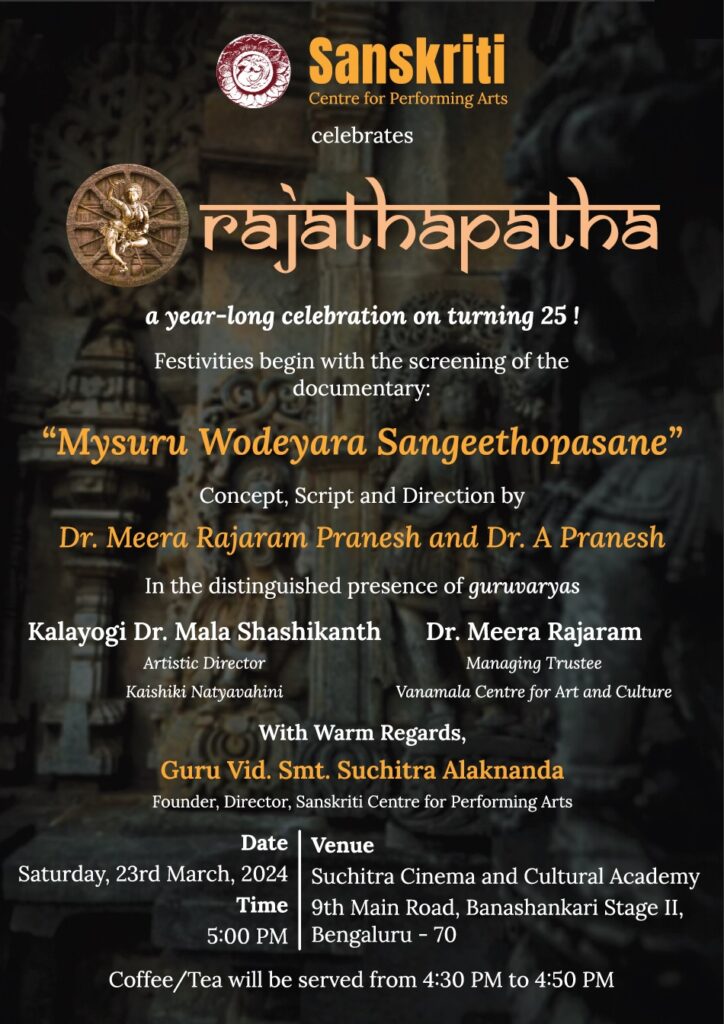
Mysuru Wodeyara Sangeethopasane
Saturday, 23rd March 2024 at 05:00pm at Suchitra Cinema and Cultural Academy, BSK II Stage, Bengaluru - 560070
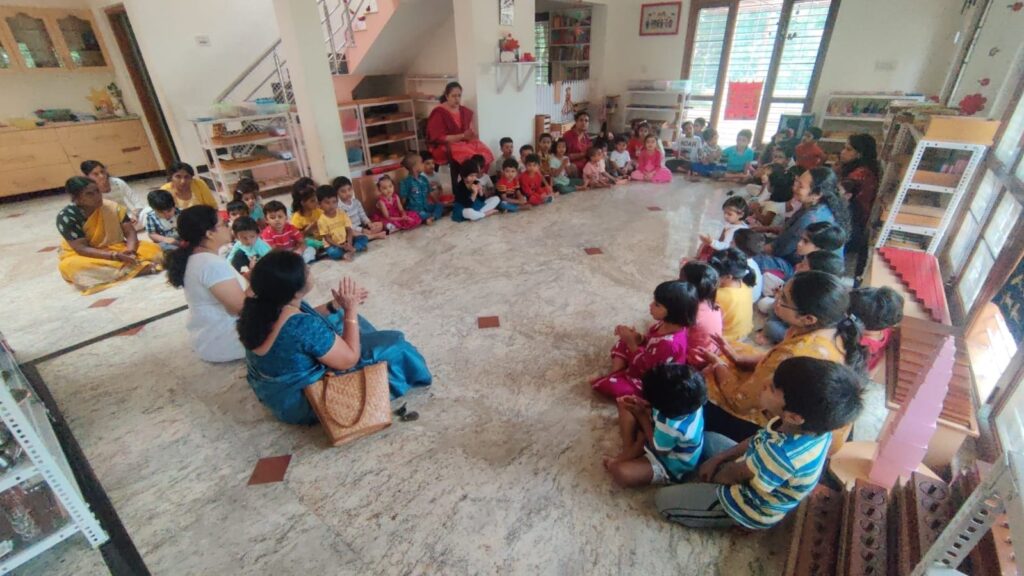
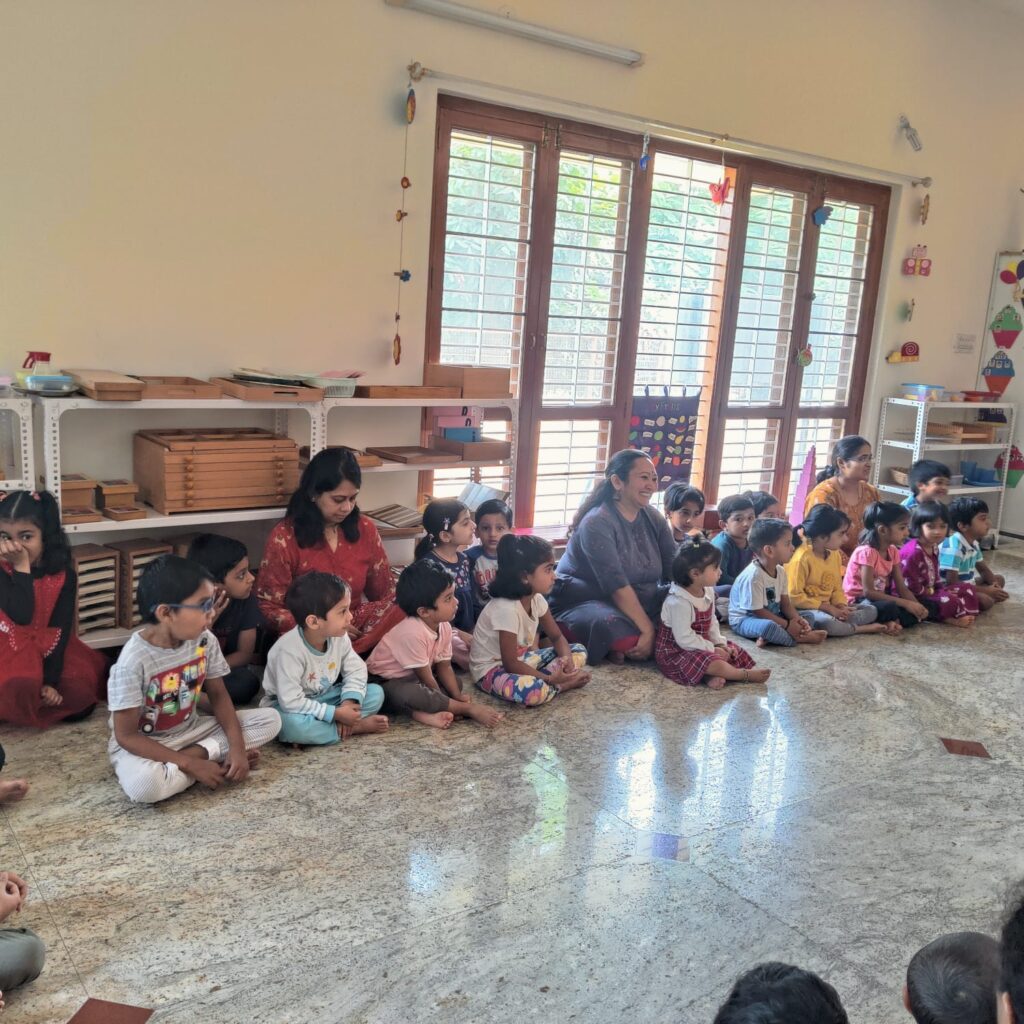
Vanamala Center for Art and Culture Trust's Four-Day workshop at Discover Montessori
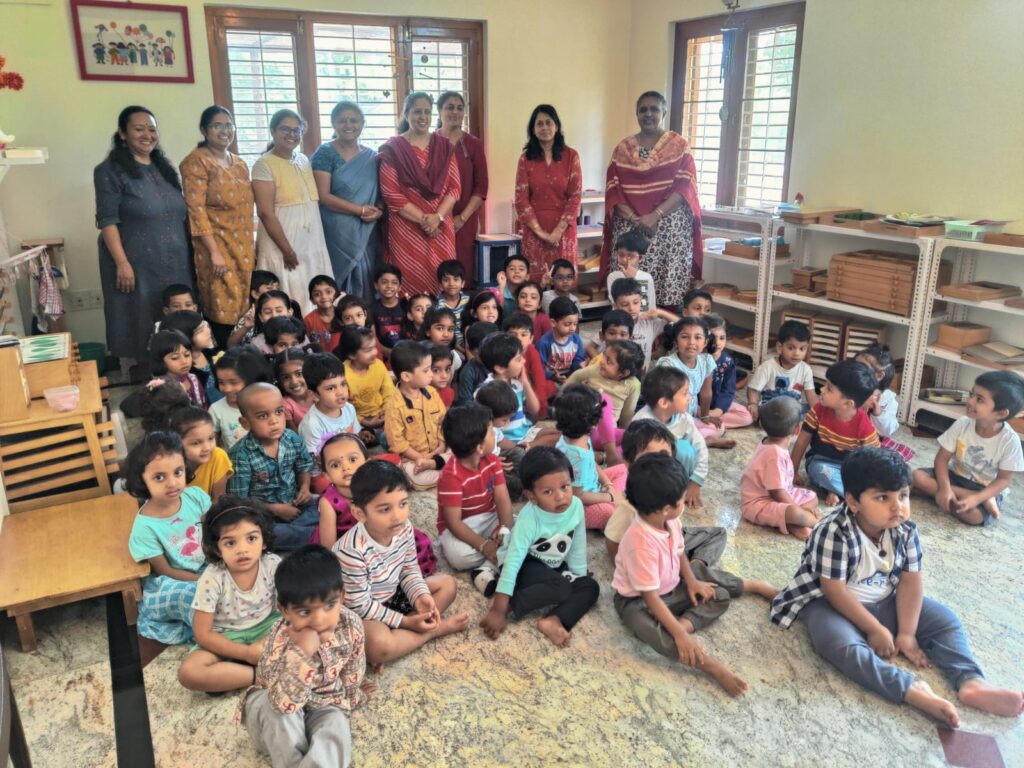
Dr. Meera Rajaram Pranesh, trustee, Vanamala Center for Art and Culture Trust (R) conducted a Four-Day workshop from 3rd to 6th October 2023, at the Discover Montessori, House of Children situated in J P Nagar 8th phase, Bengaluru.
Dr. Sumathi Ravindranath is the founder of this Montessori and nearly fifty children from the age group of 2 to 6 participated in this workshop. Two songs were taught in these four days. One on Lord Ganesha and another on Devi keeping in mind the nearing Dasara festival- Gajavadana in Kedara raga and Shyamale Meenakshi, a nottuswara of Sri Muttuswamy Dikshitar. The songs are classical based yet simple to learn for the kids of that age group. The kids learnt the songs with a lot of enthusiasm. They remembered the lyrics and tune so well, and to such an extent that they happily expressed it the next day to Dr. Meera as she entered the hall. The lyrics or notations were not an issue for them. They sang the songs completely from their memory. There is a saying in Sanskrit which expresses that knowledge must remain in 'मस्तकं' not only in 'पुस्तकं'. These kids are a perfect example of this. The kids stayed with Dr. Meera through the session every day and a few kids started crying as she started to leave for the day. They were all very particular about Dr. Meera coming the next day as well.
Even if it is for a few minutes, teaching kids of this age group needs more energy, patience and commitment. First, we need to imbibe interest in them, make them focus, listen to us and then repeat after we sing. It was a challenging yet lovely experience and their heartfelt singing made the day. In this workshop her disciple Dr. Shivashankari assisted in teaching the kids. The teachers were also very eager and joined us in repeating the lines. They felt that these songs can be sung in their houses during the festival times. The founder and the teachers provided excellent hospitality. They felt that this Music workshop made them feel fresh throughout the day and appreciated Dr.Meera for this wonderful initiative.
Report by : Dr.Shivashankari. J
Documentary on Dasha Mahavidya – The Ten Cosmic Powers
Screening at
Sri Rajarajeshwari Temple,
Kenchenhalli, Rajarajeshwari Nagar, Bengaluru, Karnataka - 560098
Every day from 13th – 24th October between 5:45 PM to 6:45 PM
13th October 2023
Aashirvachana by H. H. SRI JAYENDRA PURI MAHASWAMIJI
Dasha Mahavidya – Brahmaandada Maate
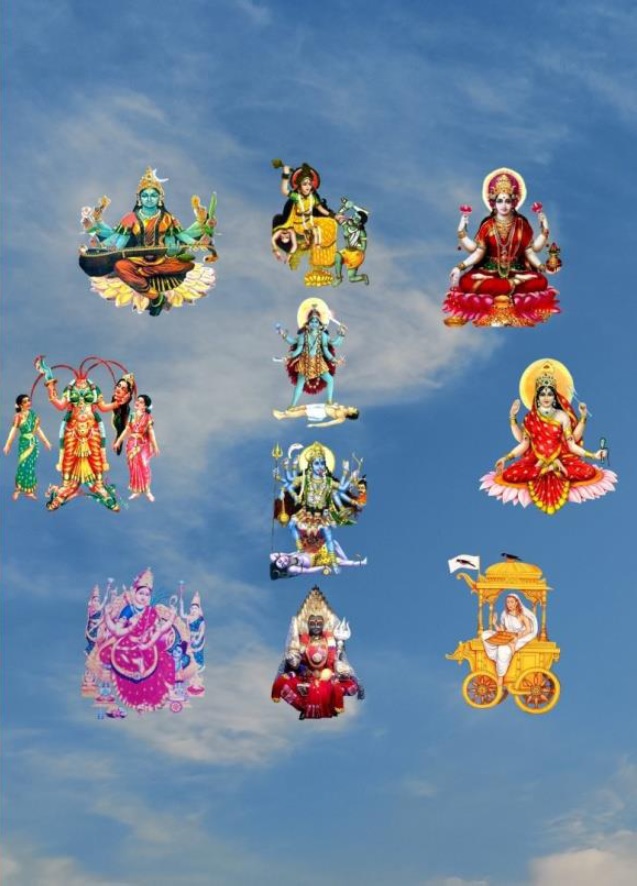
Dasha Mahavidya in Hindu scriptures are a group of ten Devis who represent Dasha (ten) great paths of knowledge as well as cosmic powers that hold the entire creation. They are Kali, Tara, Tripurasundari, Bhuvaneshwari, Tripurabhairavi, Chinnamasta, Dhumavati, Bagalamukhi, Matangi and Kamalatmike. This episode gives an overall view of Dasha Mahavidyas. It is the introductory part of a six-and-a-half-hour documentary on Dasha Mahavidyas- Concept, Script and Direction by Dr. Meera Rajaram Pranesh and Dr. A. Pranesh, Produced by Vanamala Center for Art and Culture Trust.
14th October 2023 - Mahavidya Kali
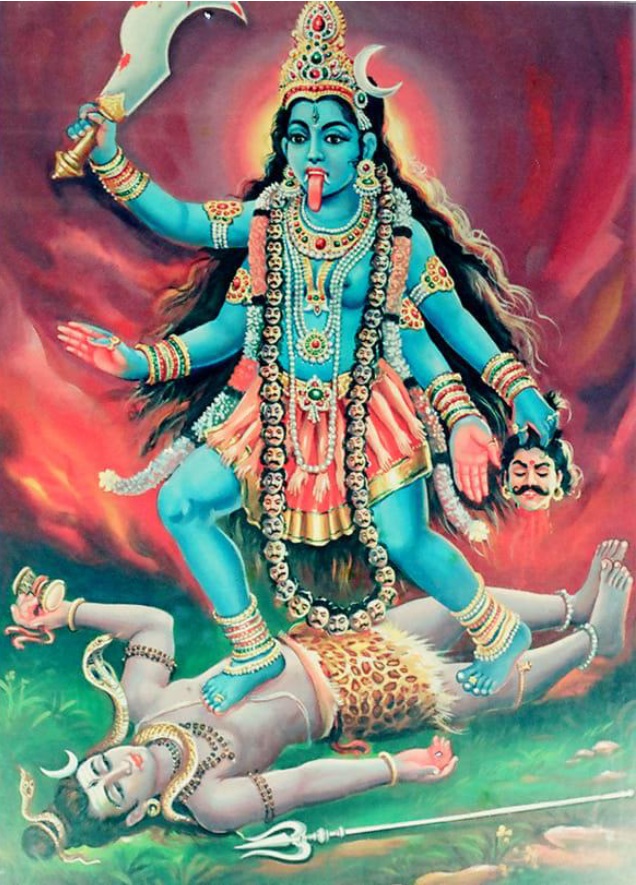
Devi Kali is the first and the foremost Shakti in Dasha Mahavidyas. Time is the primary principle of this Devi. All the living and non-living beings in the universe are bound by the time principle. Both creation and created beings are bound by the three states of time- past, present and future. This episode is all about Kali, the deity of Time.
15th October 2023 – Sri Rajarajeshwari Alankara – Mahavidya Tripura Sundari
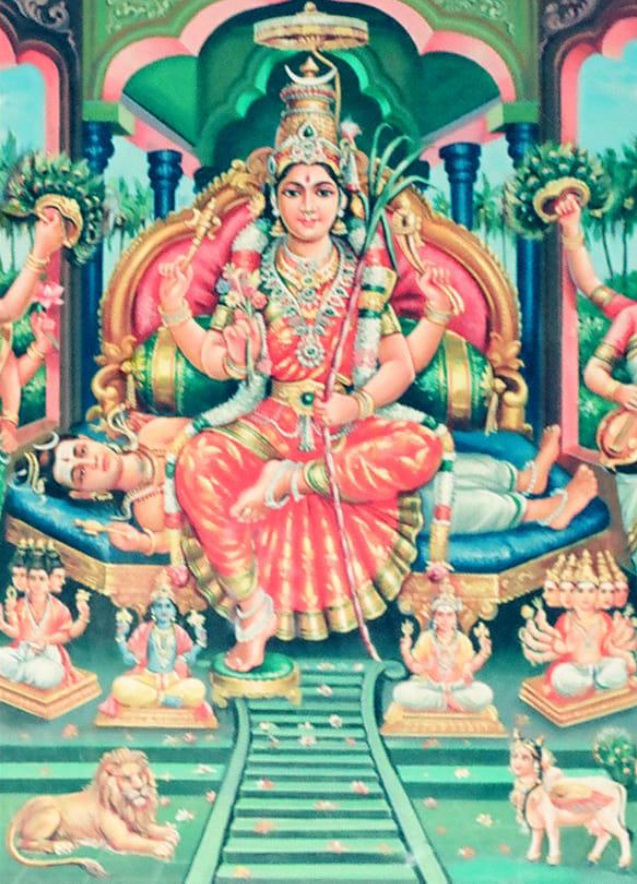
Tripurasundari is the third devi in the Dasha Mahavidyas. Sri chakra is the basis for all chakras. Tripurasundari resides in the Bindu. Just like an alphabet or a line starts from the Bindu or dot and also ends up in the dot, similarly the whole universe originates from Shiva and Shakti in the form of Bindu and finally resolves in the Bindu. This, and other features of Tripurasundari are shown in this episode.
16th October 2023 – Sri Meenakshi Alankara – Mahavidya Matangi
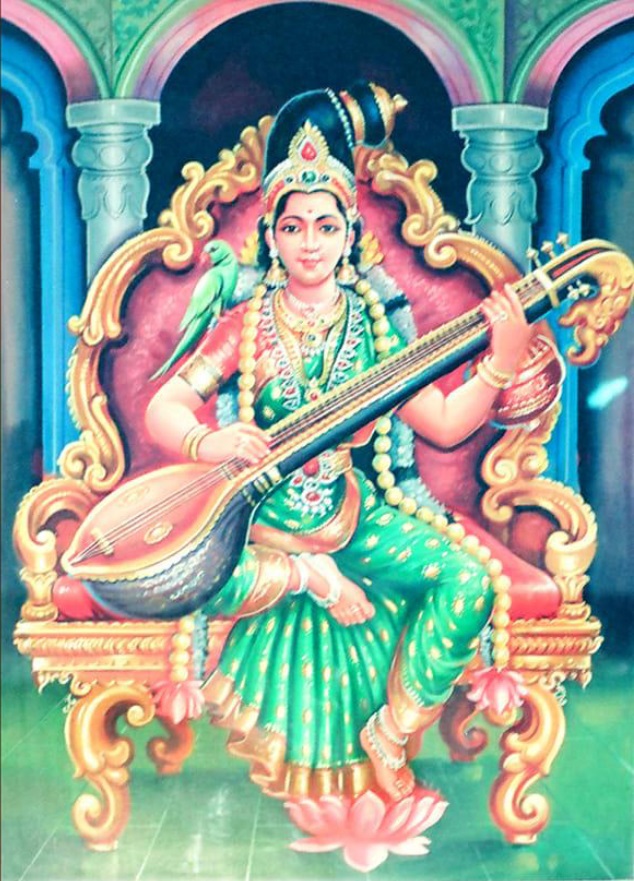
Matangi is the ninth Devi among the Dasha Mahavidyas. The words which come forth as speech in vykhari vaak are extrapolated to Devi Matangi of Dasha Mahavidyas in tantra. In Srividya tradition, Matangi is said to be the mantri or minister of Lalitha Maha Tripurasundari and is called Mantrini. It is only through Matangi one can reach Maha Tripurasundari or Rajarajeshwari, says tantra. This episode features Devi Matangi.
17th October 2023 – Sri Kamakshi Alankara– Mahavidya Bagalamukhi
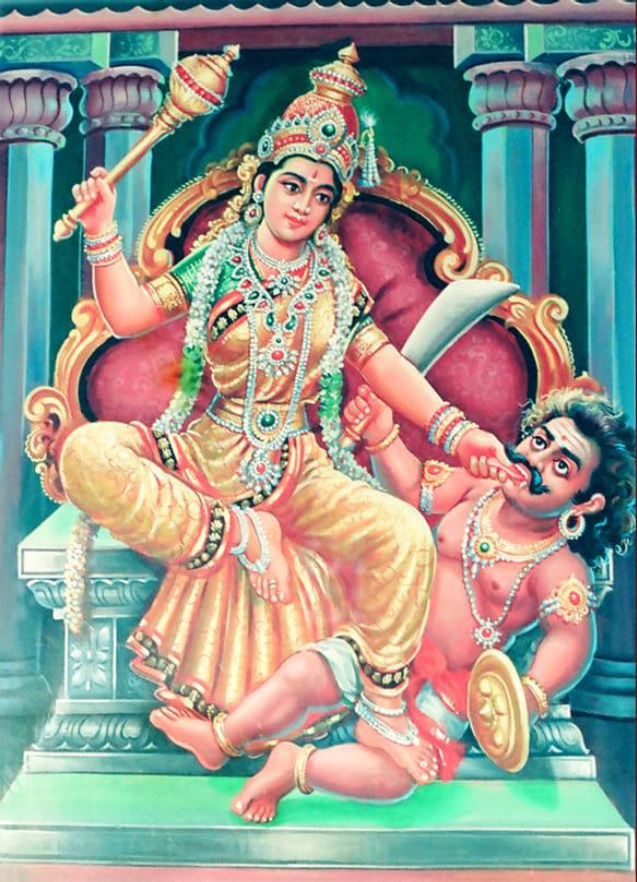
Bagalamukhi is the eighth Mahavidya among the Dasha Mahavidyas. She is the stopping force and can make the impossible, possible. Bagalamukhi is vaak stambhanakari, while also known to bestow vaak siddhi to her devotees. Adorned in yellow, she can make an eloquent speaker dumb, an arrogant person humble, or even fire become cool. This episode is about the stopping force, Devi Bagalamukhi.
18th October 2023 – Sri Vishalakshi Alankara – Mahavidya Bhuvaneshwari
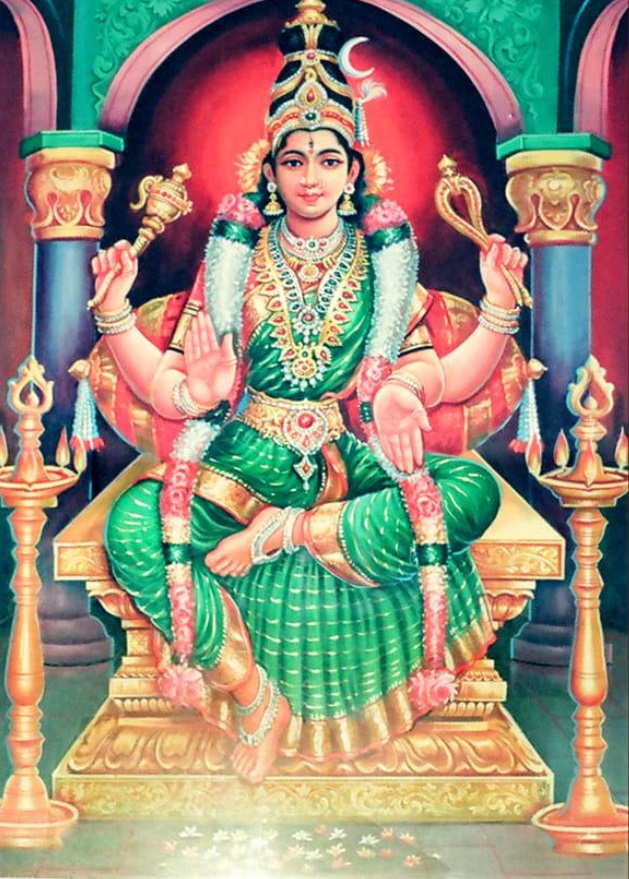
Bhuvaneshwari is the fourth Devi of Dasha Mahavidya. She represents the principle of space. Bhuvana means world, and the Ishwari or the sovereign of the worlds is Bhuvaneshwari. First, the space is created by the vision of Paramatma, and then the creation of name and form in the world begins. This episode is about the energy behind the creation, Devi Bhuvaneshwari.
19th October 2023 – Sri Annapurneshwari Alankara– Chinnamasta
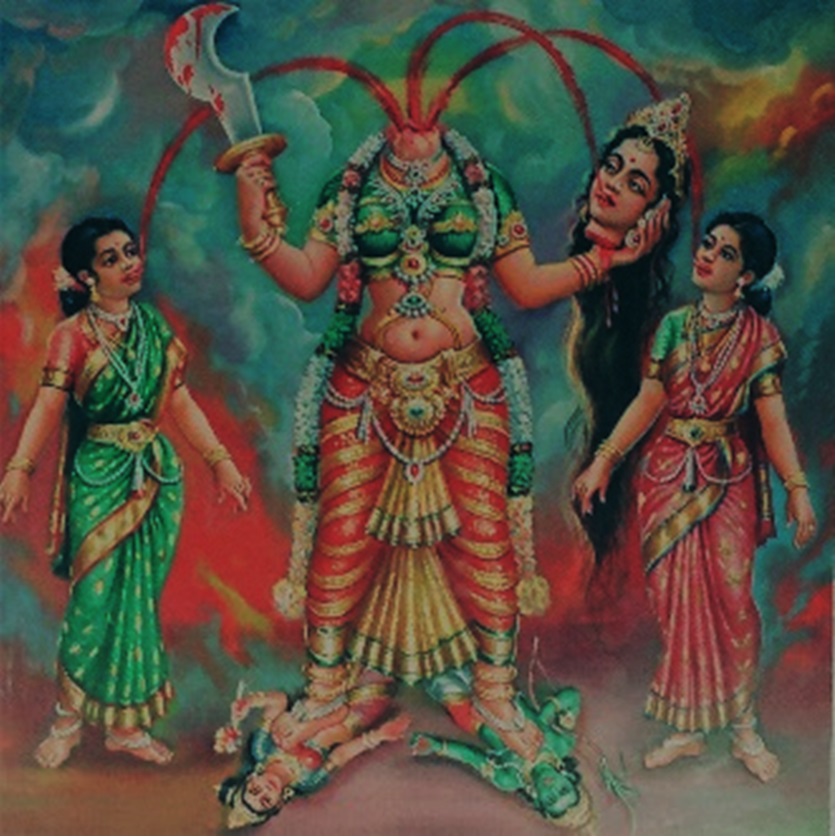
Chinnamasta is the sixth Devi among the Dasha Mahavidyas. The entire world comprises of food, and eaters of food. Chinnamasta is the Devi whose hand holds her severed head. When we observe the form and manifestation of Chinnamasta, we understand her to be the giver of food, the consumer of food and the food itself. This episode is about the Vidyut shakti that flows through our naadis, Devi Chinnamasta.
20th October 2023 – Sri Devi Shayana Alankara – Mahavidya Dhumavati
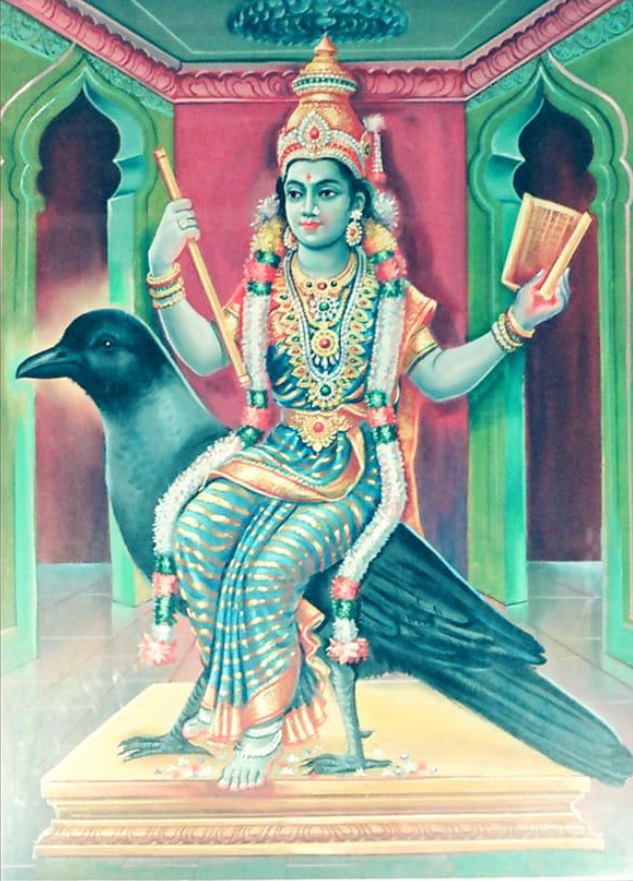
Dhumavati is the seventh vidya among the Dasha Mahavidyas. In macrocosm, Mahavidya Dhumavati represents the state before creation and after resolution due to pralaya. In microcosm Dhumavati represents the state before the being enters the womb and the state after the death. This episode is about the power behind sleep, Devi Dhumavati.
21st October 2023 – Sri Mahalakshmi Alankara – Mahavidya Kamalatmike
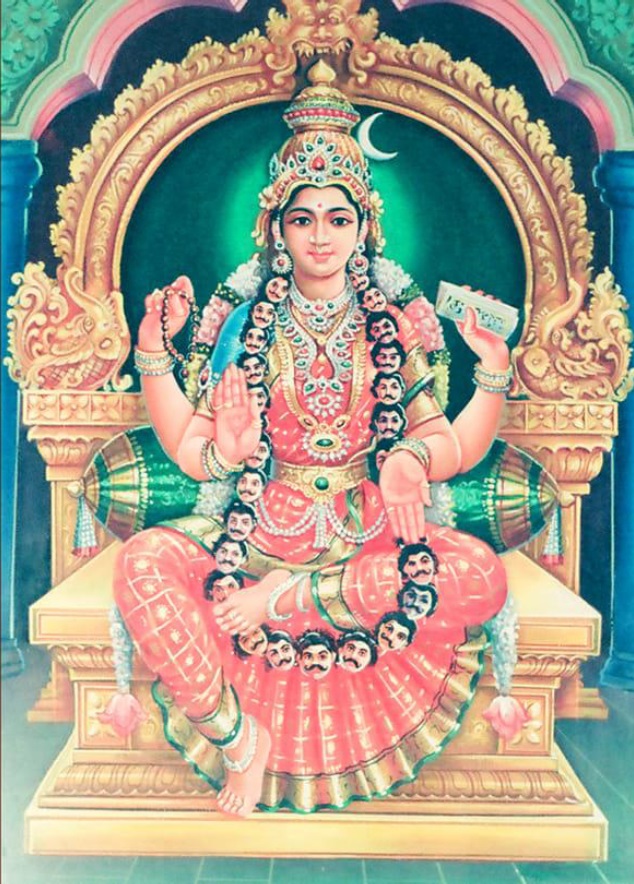
Kamalatmike or Kamala is the tenth vidya among the Dasha Mahavidyas. She is also worshipped as an independent Shakti by every human being from a very long time. Kamala is the goddess of extraordinary beauty and is blooming forth in everything. This episode is about Kamalatmike, who is considered as Mahalakshmi.
22nd October 2023 – Sri Mahishasuramardini Alankara – Mahavidya Tripura Bhairavi
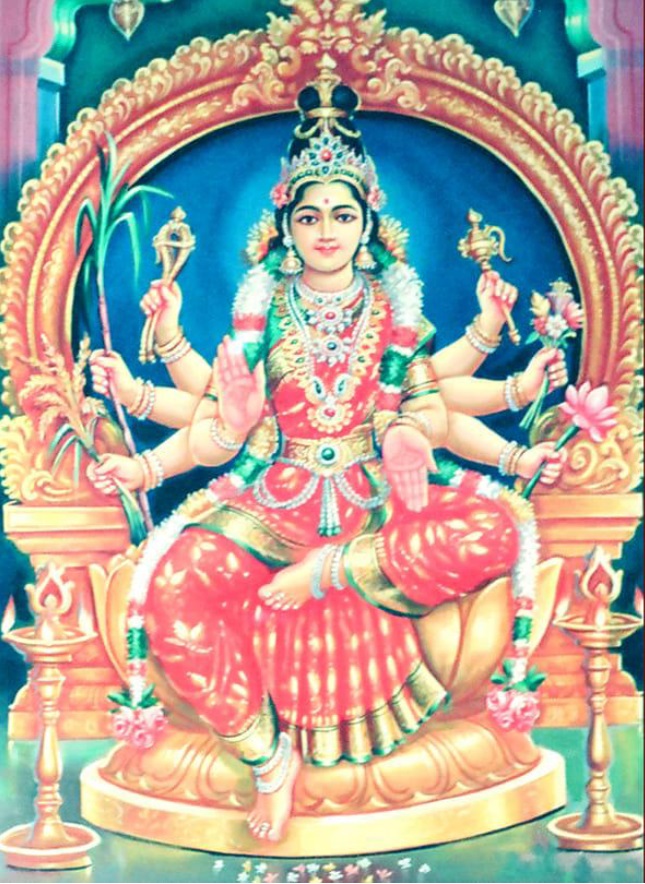
Tripurabhairavi is the fifth of the Dasha Mahavidyas. Tripurabhairavi has both malefic and terrifying forms. Hence in her descriptions, she is shown with a garland of skulls to depict terrifying form and with a book and japamala which are the epitome of knowledge to depict her malefic form. This episode is about the power of concentration, Devi Tripura Bhairavi.
23rd October 2023 – Sri Saraswati Alankara – Mahavidya Tara
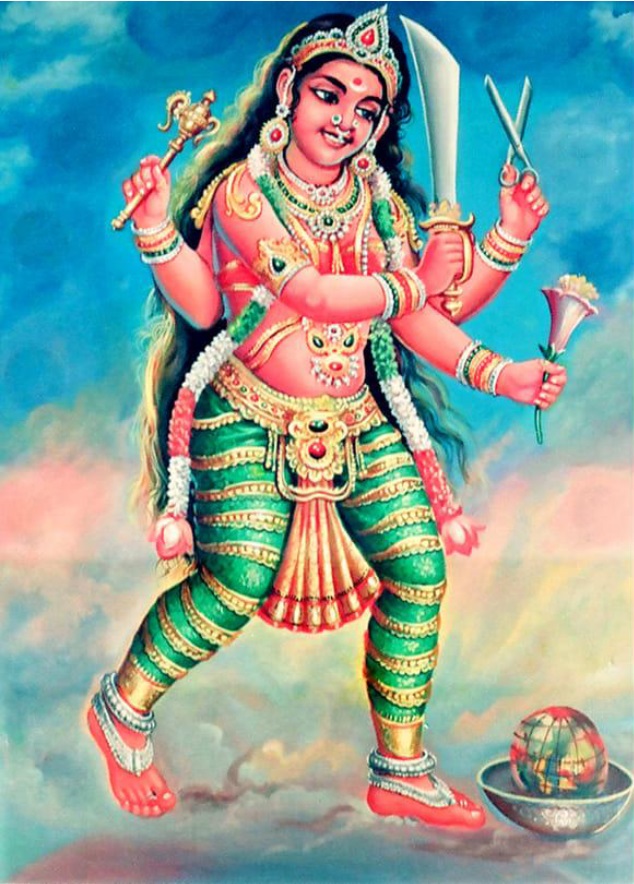
Tara is the second shakti among the Dasha Mahavidyas. She is the OMkaara swaroopini. One can attain the siddhi of Tara by just remembering her with utmost devotion. Whenever a person calls her in distress, she will immediately extend her help. She is the power who helps one cross the bhava sagara – bhavatarini. This episode is about the Goddess of knowledge, Devi Tara.
24th October 2023 – Sri Muttangi Alankara– Dasha Mahavidya- Ondu Avalokana
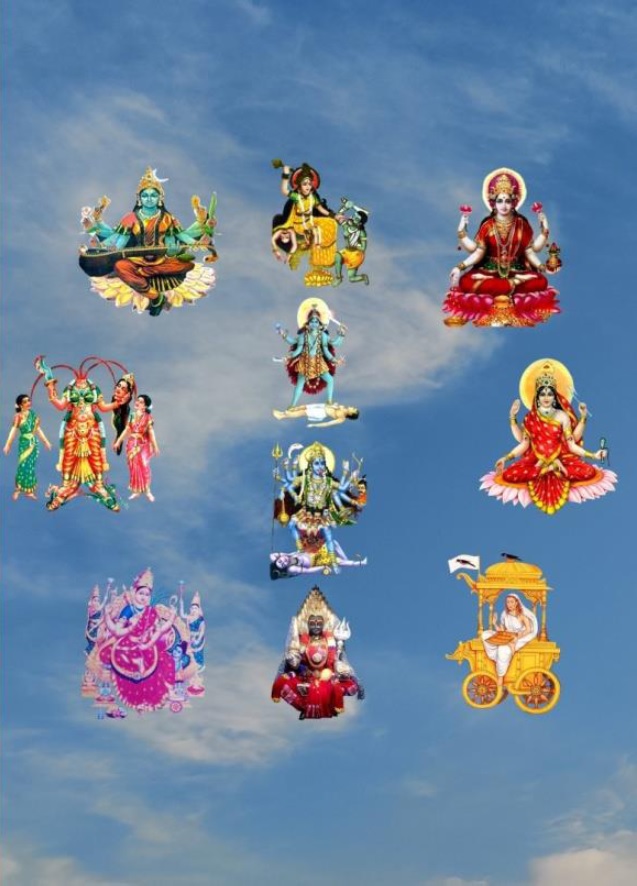
Dasha Mahavidyas are the Shaktis behind creation, maintenance and resolution in both macrocosm and microcosm. Each principle is the Brahma vidya which is to be practiced to reach God. In tantra, when we say upasana, among the Dasha Mahavidyas, only one Devi is worshipped and the sadhaka is bestowed with Her grace. But if one wants the knowledge of Brahma vidya, then it is possible only when he learns and practices all the principles of Dasha Mahavidyas, who are the guiding lamps for the knowledge of Brahma vidya. This is the concluding episode on Dasha Mahavidya- The Ten Cosmic Powers
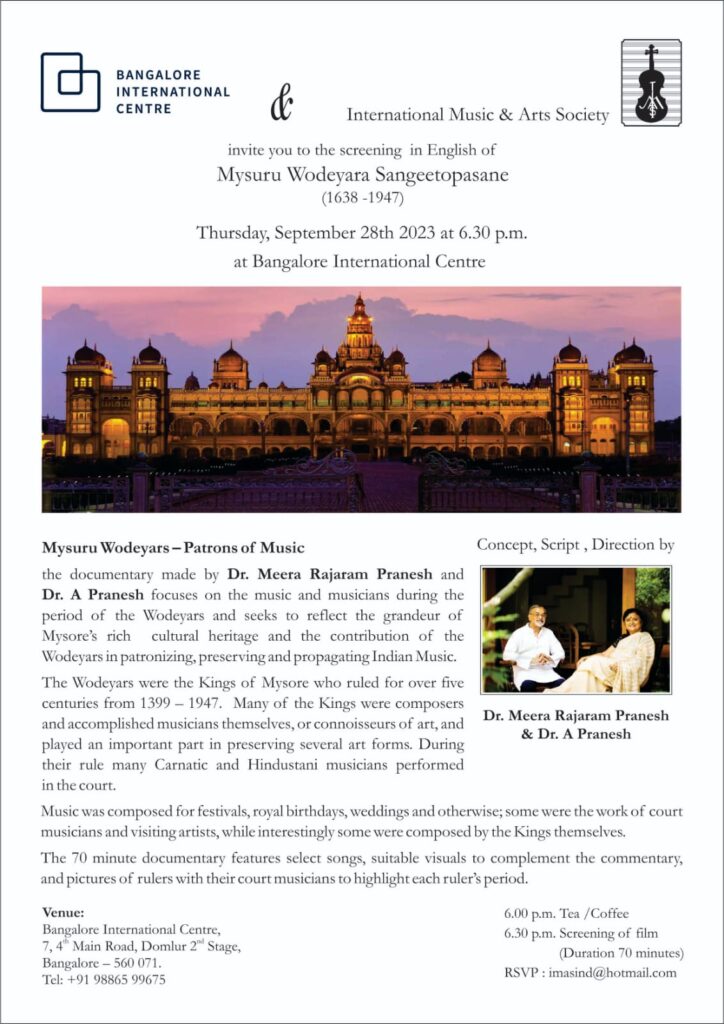
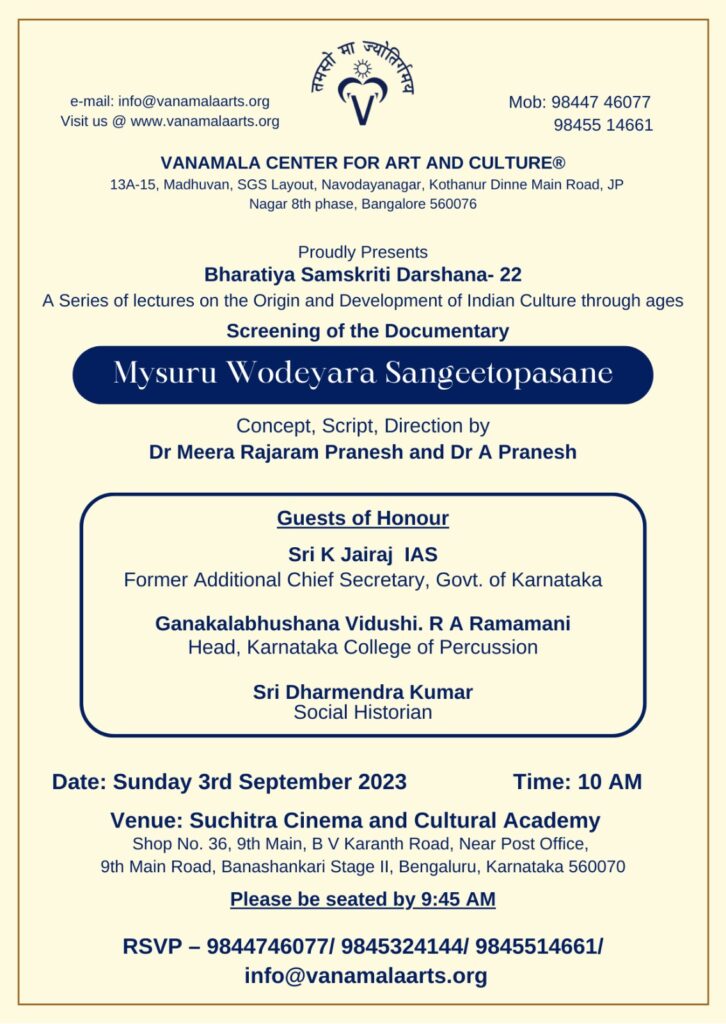
Mysore Wodeyerara Sangeetopaasane - Documentary Screening at Suchitra film society on 03-09-2023
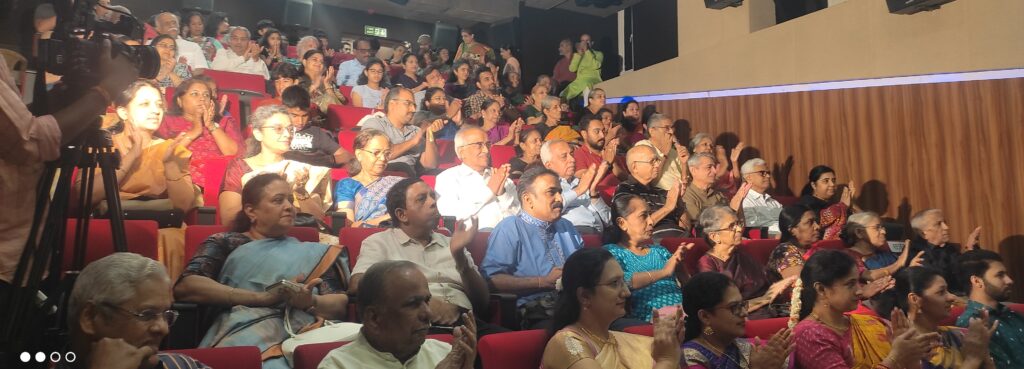
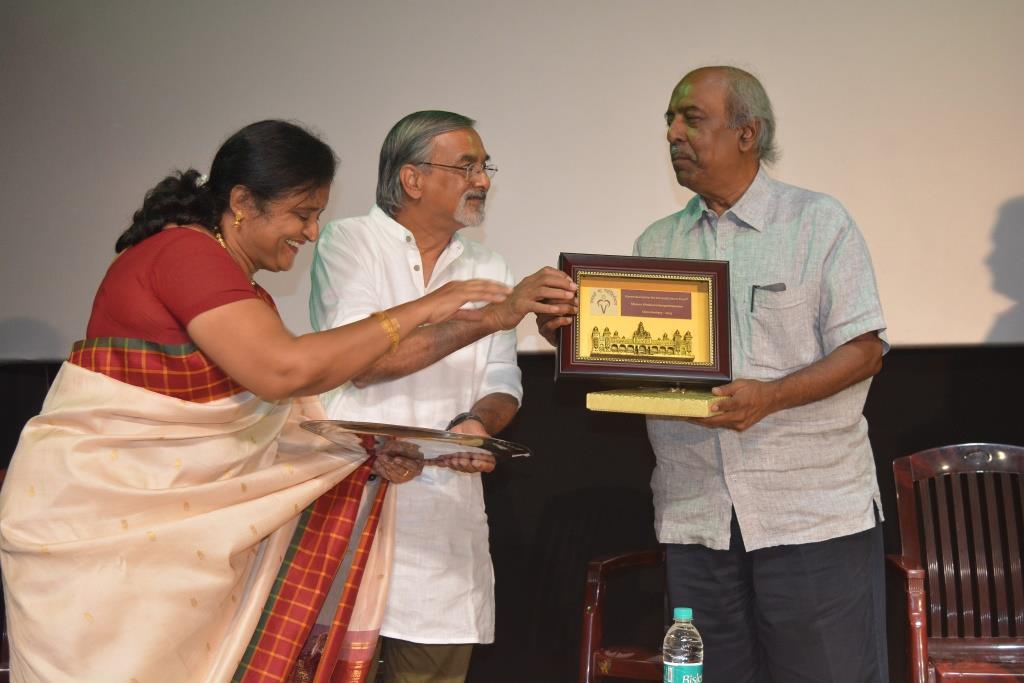
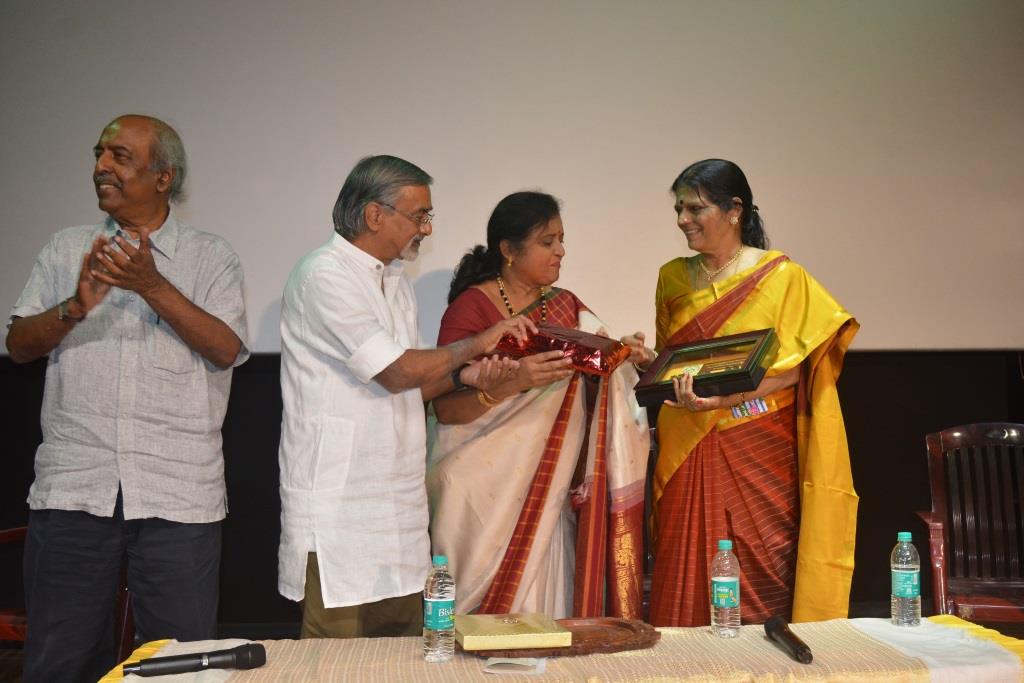
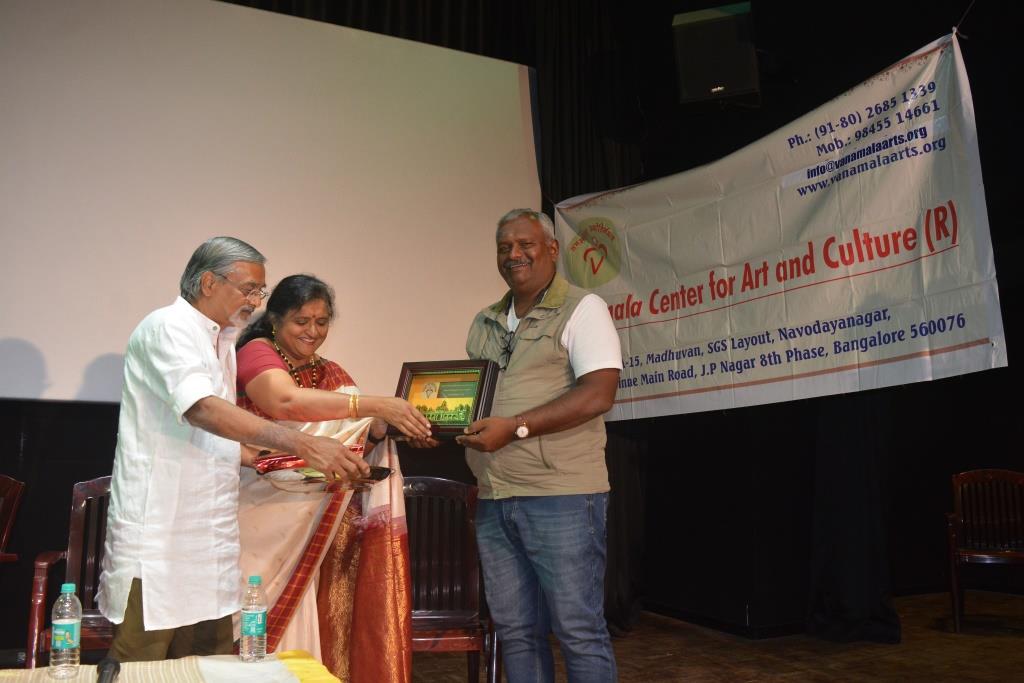
On a perfect Sunday, September 3rd 2023, this unforgettable project on the Wodeyars musical heritage and legacy was screened in Suchitra film society, Bangalore. It was a screening of the Kannada video documentary made by Meera ma’am and Pranesh sir in which we had all participated. The number of spectators was heart warming. The auditorium was spacious and it was very delightful to see ma’am’s cheerful face that morning. All the participants of the documentary were vibrant and elegantly dressed in the best choices of traditional clothes.
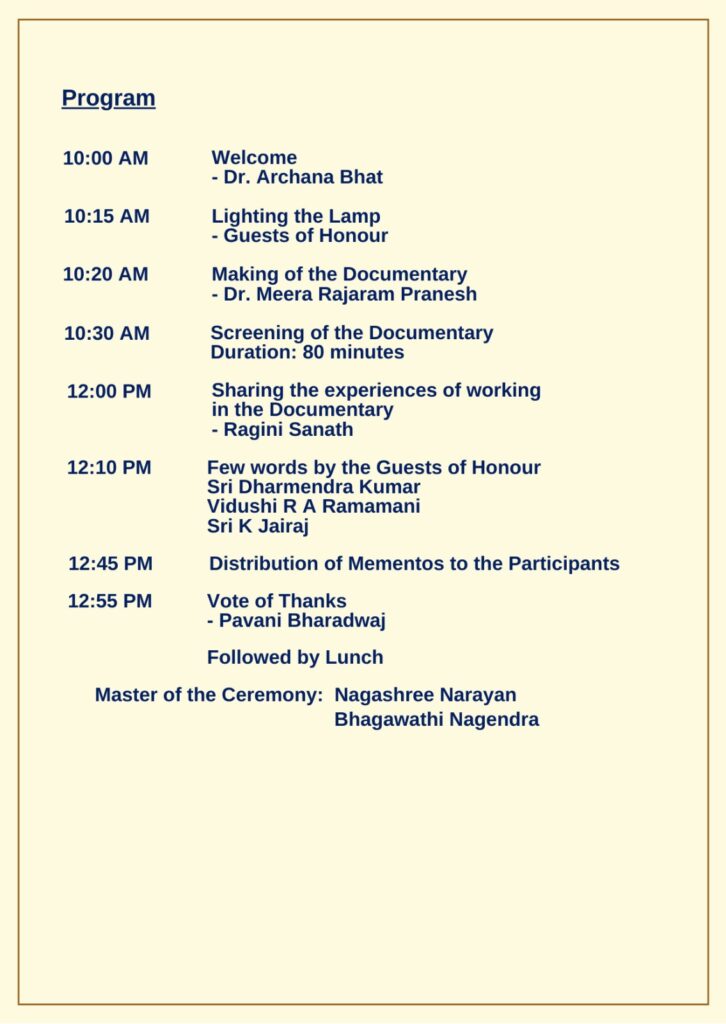
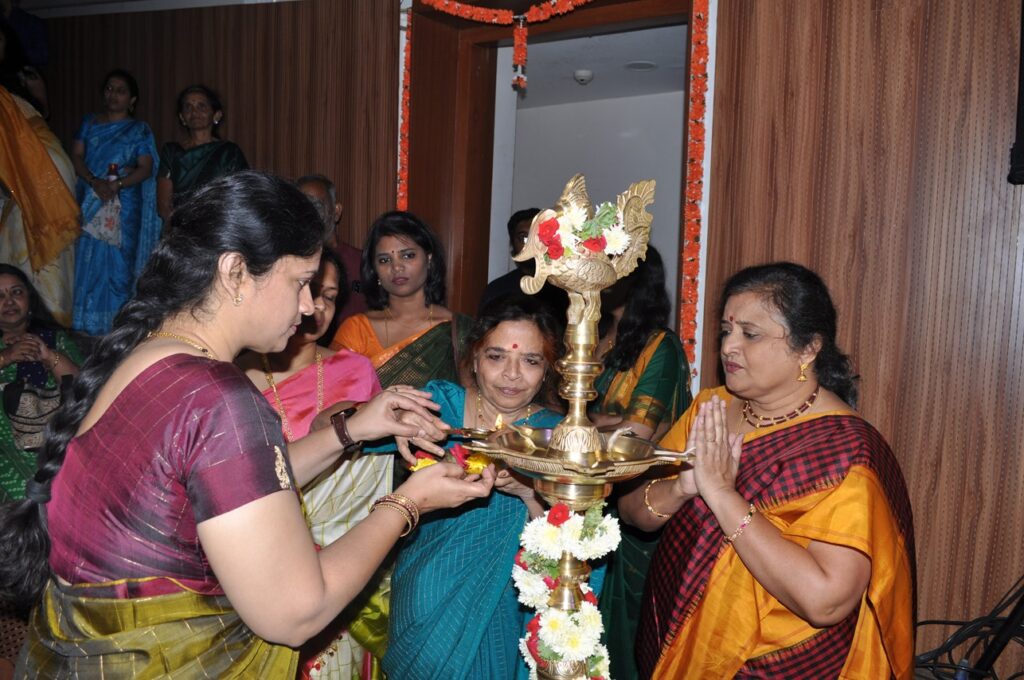
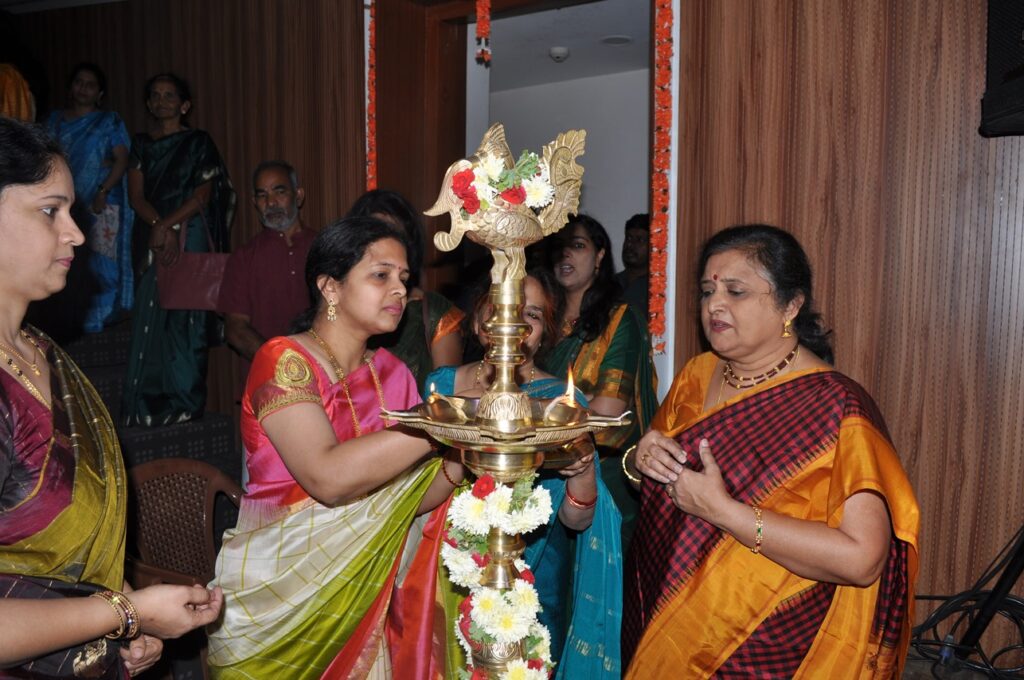
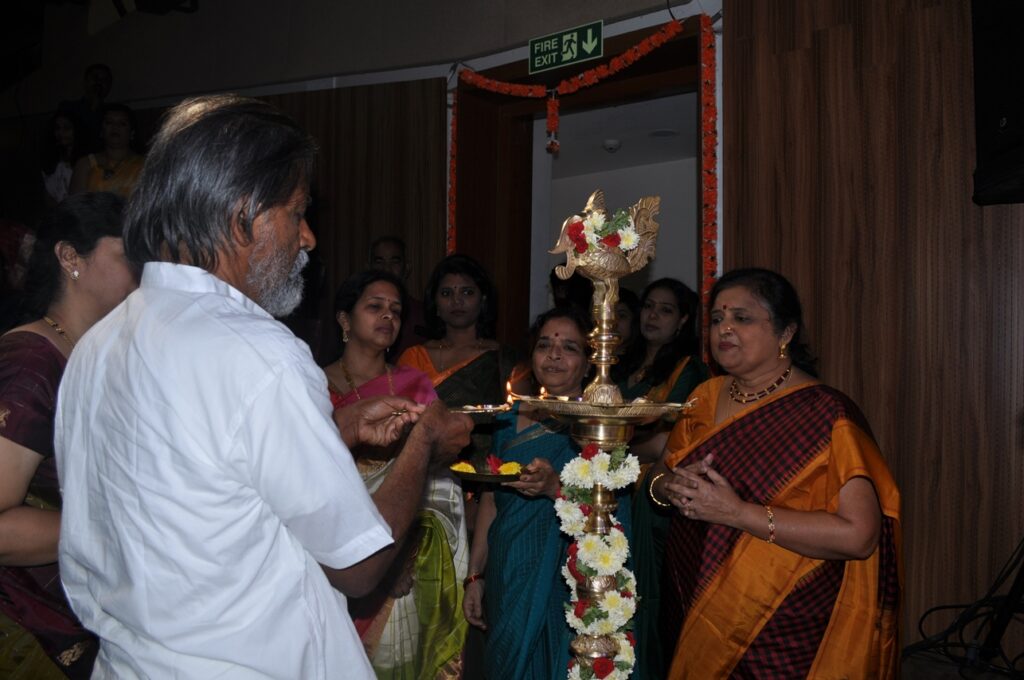
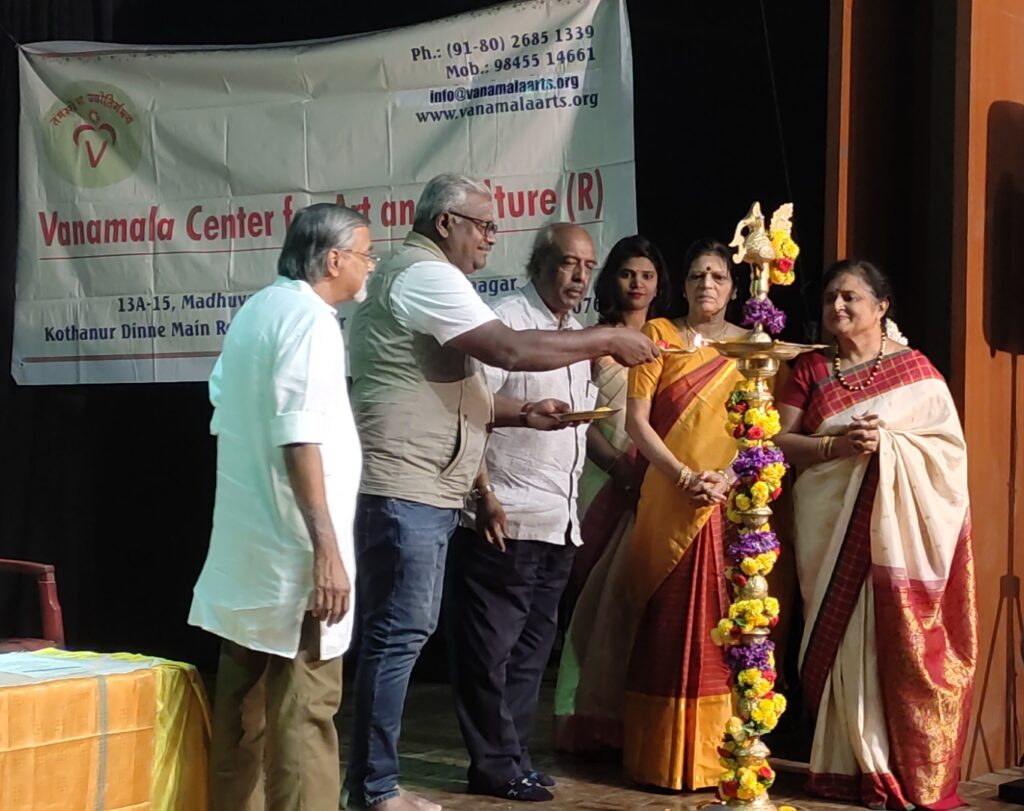
The event started with Nagashree Narayan akka inviting all the guests and presenting a welcome speech. Archana aunty spoke about Vanamala center. Then the lamp was lit by the guests of honour R A Ramamani ma’am, Jairaj sir, Dharmendra Kumar sir, Meera ma’am and Pranesh Sir with Nagashree akka singing “Asatoma Sadgamaya”. Meera ma’am shared all the details on how the documentary was made. Then the documentary was presented on a big screen. The screening was clear and understandable, the music was melodious. I was excited to hear Mohana Prema as I had sung in it. Ragini Sanath (my mom) made a interesting speech about all of the participants’ experiences. Then we heard the chief guests’ speech. It was so nice to hear all of them praising ma’am and sir for this wonderful documentary.
Ma’am and Sir made this project so involving and left no one out and all of us received a memorable gift of rememberance as Bhagavathi akka called our names. Paavani akka thanked all at the end of the event with a vote of thanks. We all had delicious lunch later. I had so much fun. Thank you so much Meera ma’am for this pleasant experience.
- Gowri Sanath ( 9.5 years)

Mysurina Chinnari Sangeeta
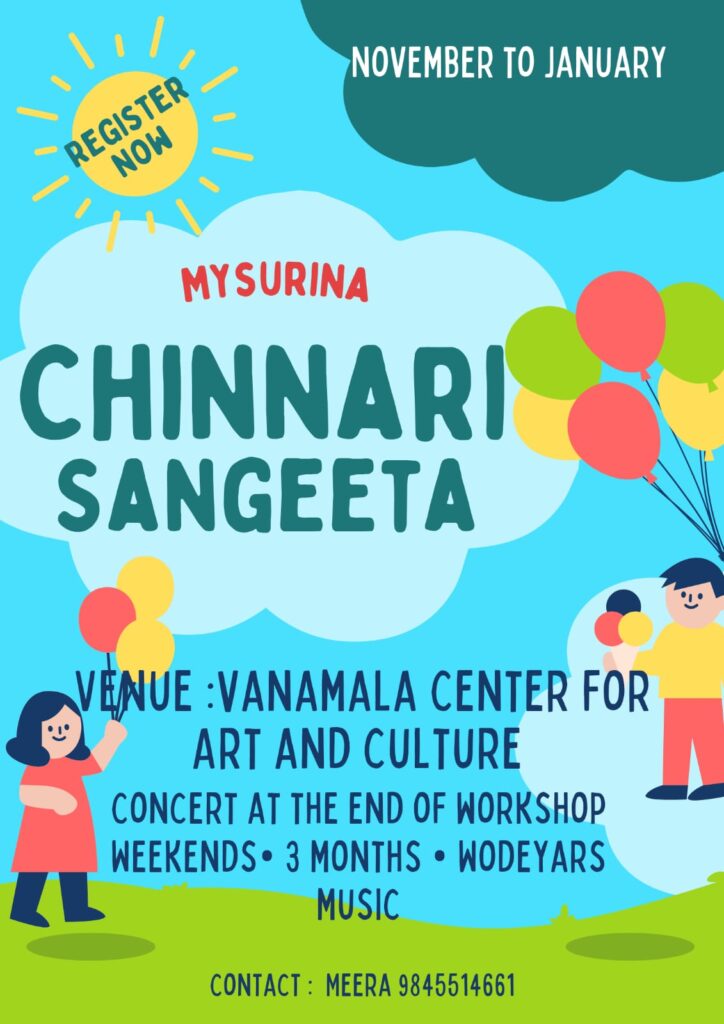
The Kings of Mysore – Wodeyars encouraged several art forms including music. They not only inspired musicians to compose songs for occasions and events but also to compose songs specially for children. We will be selecting a few of these songs to children in the workshop.
The Workshop will be concluded with a concert accompanied by instruments.
Dr. Meera Rajaram Pranesh and her team of artists will be conducting the
workshop. Dr. Meera is a musician and musicologist who is known for her work on music in the Wodeyar’s courts among other projects.
Duration – Every Saturday from Nov-23 to Jan-24; 10 AM – 11:30 AM
Venue - Vanamala Center for Art and Culture Trust's premises (final concert
venue to be disclosed later)
Google Maps - https://maps.app.goo.gl/pv2zVuSfXo9th9Dg8
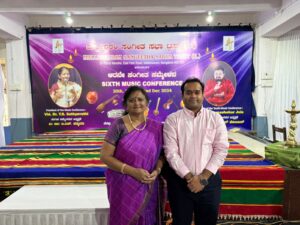
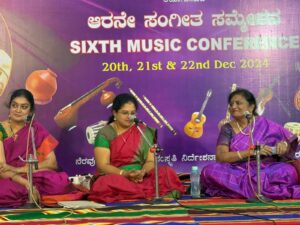
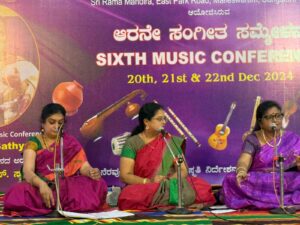
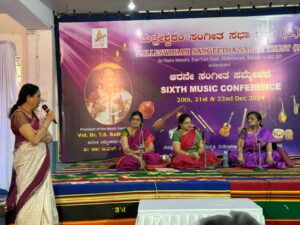
ACADEMIC SESSION by Dr.Meera Rajaram Pranesh at sixth Music Conference of Malleshwaram Sangeetha Sabha Trust (R) on 20-12-2024, Time 11:30am to 1:00pm
Subject: REFERENCES OF TANTRA ASPECTS IN SRI MUTTUSWAMY DIKSHITAR'S DEVI KRUTHIS
Dr. Meera Rajaram Pranesh delivered a stellar lecture–demonstration on “References of Tantra Aspects in Sri Muttuswamy Dikshitar’s Devi Kritis” at the sixth Music Conference of Malleshwaram Sangeetha Sabha. She highlighted the multidimensional Tantric elements embedded in Dikshitar’s compositions, emphasising his stature as a versatile composer deeply adept in tantra, mantra and yantra traditions. His mastery in these esoteric streams, she noted, is vividly reflected in works like the Kamalamba Navavarana series—where each of the nine kritis is believed to be as potent as performing a physical pooja.
She further elaborated on several rare compositions such as Nabhomani and Renukadevi in Kannada Bangala, demonstrating how Dikshitar encoded philosophical depth, spiritual symbolism, and intricate musical architecture within his kritis. She was ably supported on vocals by her students, Dr. Shivashankari J. and Dr. Ragini Sanath.